IN Brief:
- EBRD and Raiffeisen Bank International are providing €30 million each for a 246MW/512.5MWh battery development.
- The additional facility will be co-located with a 242MWp photovoltaic plant and an existing 65MW/260MWh battery.
- The completed expansion would provide 311MW of combined battery power capacity and approximately 773MWh of energy storage.
The European Bank for Reconstruction and Development (EBRD) and Raiffeisen Bank International are providing €60 million in financing for a 246MW battery energy storage system at Tenevo in southeastern Bulgaria, expanding the electricity storage facilities associated with an established photovoltaic power plant.
The financing comprises a €30 million loan from the EBRD and €30 million in parallel funding from Raiffeisen. It will support the development, construction and operation of a battery installation with 512.5MWh of energy storage capacity, adding a substantial new facility to the Tenevo hybrid energy complex.
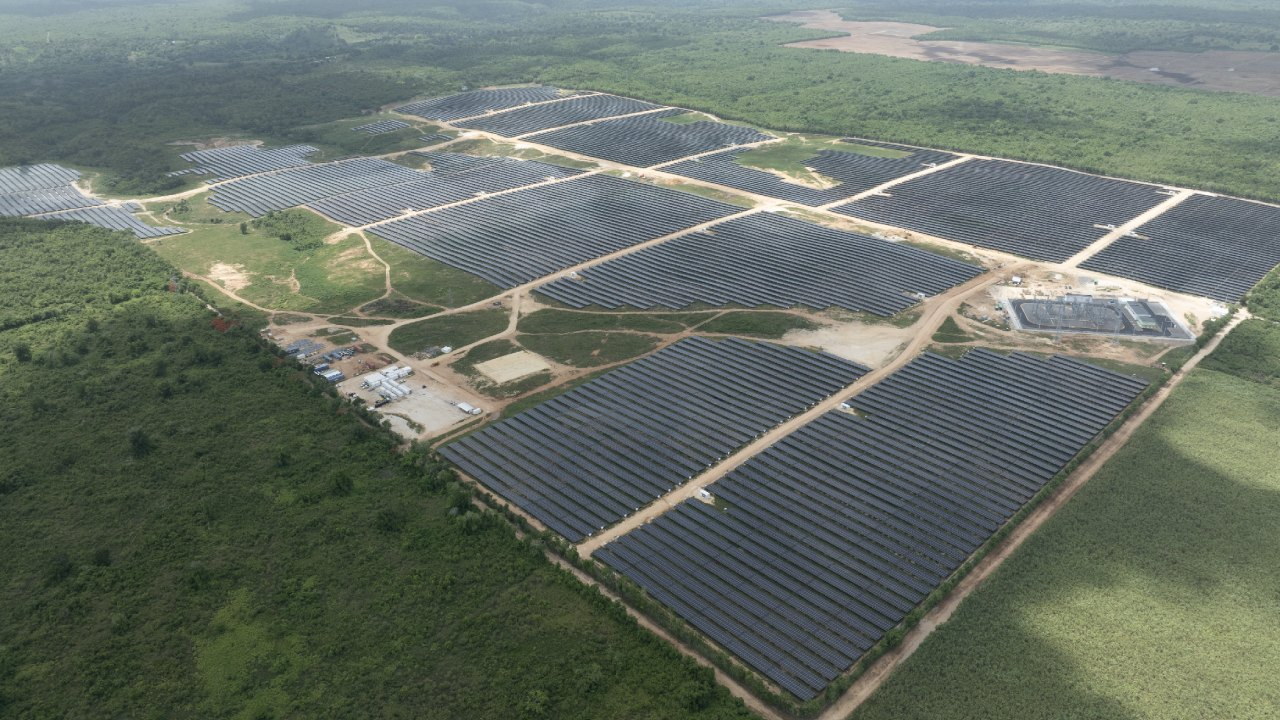
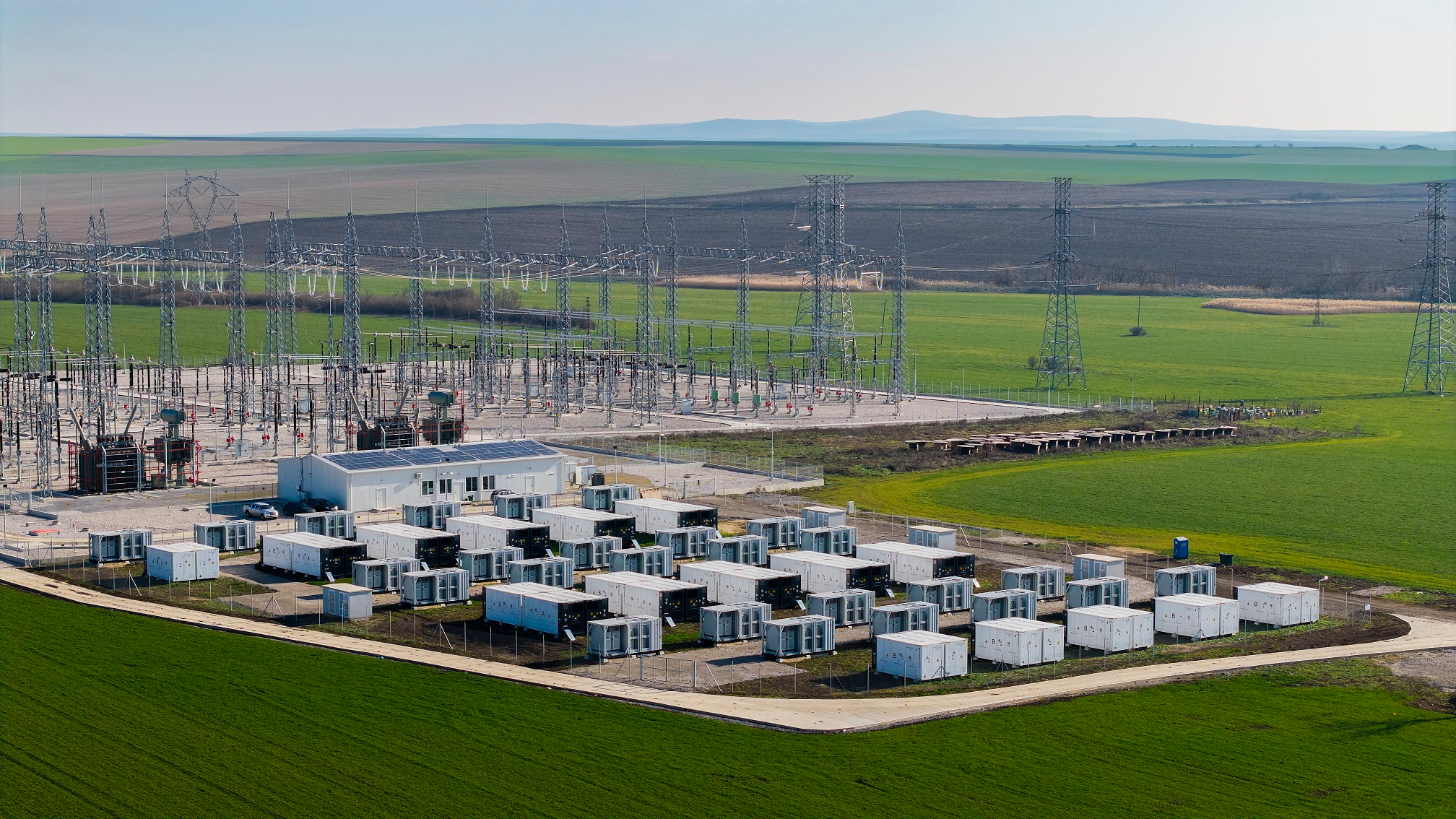
The new battery will be co-located with an existing 242MWp photovoltaic plant and a 65MW/260MWh battery system. Once the additional storage is delivered, the complex will have a combined battery power rating of 311MW and approximately 772.5MWh of energy capacity.
Tenevo Solar Technologies is the borrower under the latest financing arrangements. The solar and storage development is associated with Renalfa IPP and Eurowind Energy, which previously progressed the site’s photovoltaic generation and initial battery infrastructure.
The financing confirmation follows the earlier development of the Tenevo hybrid complex. The existing photovoltaic plant and 65MW storage installation are operational, while the newly financed 246MW system represents a further construction and investment programme.
Adding storage on this scale changes the range of electrical operating conditions available at the site. The photovoltaic installation produces electricity according to solar irradiance and other environmental conditions, while the batteries can absorb and release energy according to their available capacity and control settings.
The two storage systems have markedly different power-to-energy characteristics. The existing 65MW/260MWh battery has a nominal discharge duration of four hours at rated power, while the planned 246MW/512.5MWh installation has a corresponding duration of approximately 2.08 hours.
These figures are calculated from installed ratings and describe theoretical operating durations before allowing for losses, available state of charge, operating reserves and contractual restrictions. The actual amount of energy delivered during a dispatch period will depend on the condition and operating programme of each installation.
Different discharge durations create opportunities to manage electricity over several time intervals. A battery with greater stored energy relative to its power rating can sustain output for longer, while a higher-power installation can deliver a larger electrical response, provided sufficient stored energy remains available.
Co-location allows storage operation to be coordinated with photovoltaic generation. When solar production is high, available electricity can potentially be directed into the batteries for later delivery, subject to the electrical configuration, available storage capacity and commercial conditions.
That flexibility can reduce renewable generation curtailment where network constraints or market conditions would otherwise prevent all available solar electricity from being exported. Its effectiveness depends on when the batteries can charge, how much energy they can hold and whether suitable discharge opportunities arise later.
The electrical design must accommodate bidirectional power flows associated with battery charging and discharging. Power conversion equipment controls the exchange between the batteries’ direct current systems and the alternating current network, while transformers and switchgear provide the required connection and isolation arrangements.
Protection and control systems must also coordinate the photovoltaic plant, the existing battery and the new installation. Their operation must remain within the site’s permitted connection limits, with appropriate fault detection and isolation across equipment that may be absorbing or delivering electrical power at different times.
The additional capacity could support electricity balancing and other flexibility activities where the relevant market and connection arrangements permit them. Battery systems can change output rapidly, although the duration of a sustained response depends on their stored energy and the operating limits of the equipment.
The EBRD has previously financed the Tenevo photovoltaic plant, providing €50 million to support construction and operation. The bank describes the solar facility as fully merchant, meaning its electricity revenues are exposed to market conditions rather than being entirely secured through a fixed-price offtake arrangement.
Storage can give merchant generation additional options for scheduling electricity delivery. Charging during one period and discharging during another can allow part of the site’s output to be managed according to changing market conditions, although the financial outcome depends on electricity prices, conversion losses, battery operating costs and the availability of market services.
The original solar financing benefited from first-loss risk cover under the EBRD’s InvestEU Framework for Sustainable Transition. That support formed part of the financing arrangements for the photovoltaic development and should be distinguished from the newly confirmed €60 million package for additional battery capacity.
Bulgaria has expanded electricity storage deployment rapidly. The EBRD estimates that national battery storage capacity now exceeds 6.2GW of power and 19GWh of energy, reflecting the substantial scale of recent investment in infrastructure capable of absorbing and releasing electricity across different operating periods.
The bank has also supported the Bulgarian Ministry of Energy since 2023 in designing grant schemes, competitive allocation procedures and technical verification arrangements for renewable generation and storage investments. The related programmes under Bulgaria’s Recovery and Resilience Plan reached completion in September 2026.
Increased storage deployment gives the electricity system more capacity to manage changes in renewable output and electricity demand. The effectiveness of individual installations still depends on transmission and distribution network capacity, the availability of stored energy and the control arrangements used to coordinate assets with wider system operation.
The Tenevo development combines existing solar generation with batteries designed for different discharge durations at a shared industrial location. The latest financing supports the addition of 246MW/512.5MWh of storage, with the project’s next milestones centred on equipment delivery, electrical integration and commissioning.