IN Brief:
- The Marine Management Organisation has granted the English-waters marine licence for Berwick Bank C’s Cambois export connection.
- The route is designed for up to four offshore HVDC cables and transmission capacity of up to 1.8GW.
- The licence does not constitute an investment decision or the start of cable manufacture, installation or commissioning.
SSE Renewables has reported an English-waters marine licence for the Cambois export cable connection serving Berwick Bank C, the third phase of its proposed offshore wind project in the outer Firth of Forth. The Marine Management Organisation (MMO) decision is described as completing the consents needed for that phase’s proposed grid connection, which is designed to carry up to 1.8GW to Northumberland.
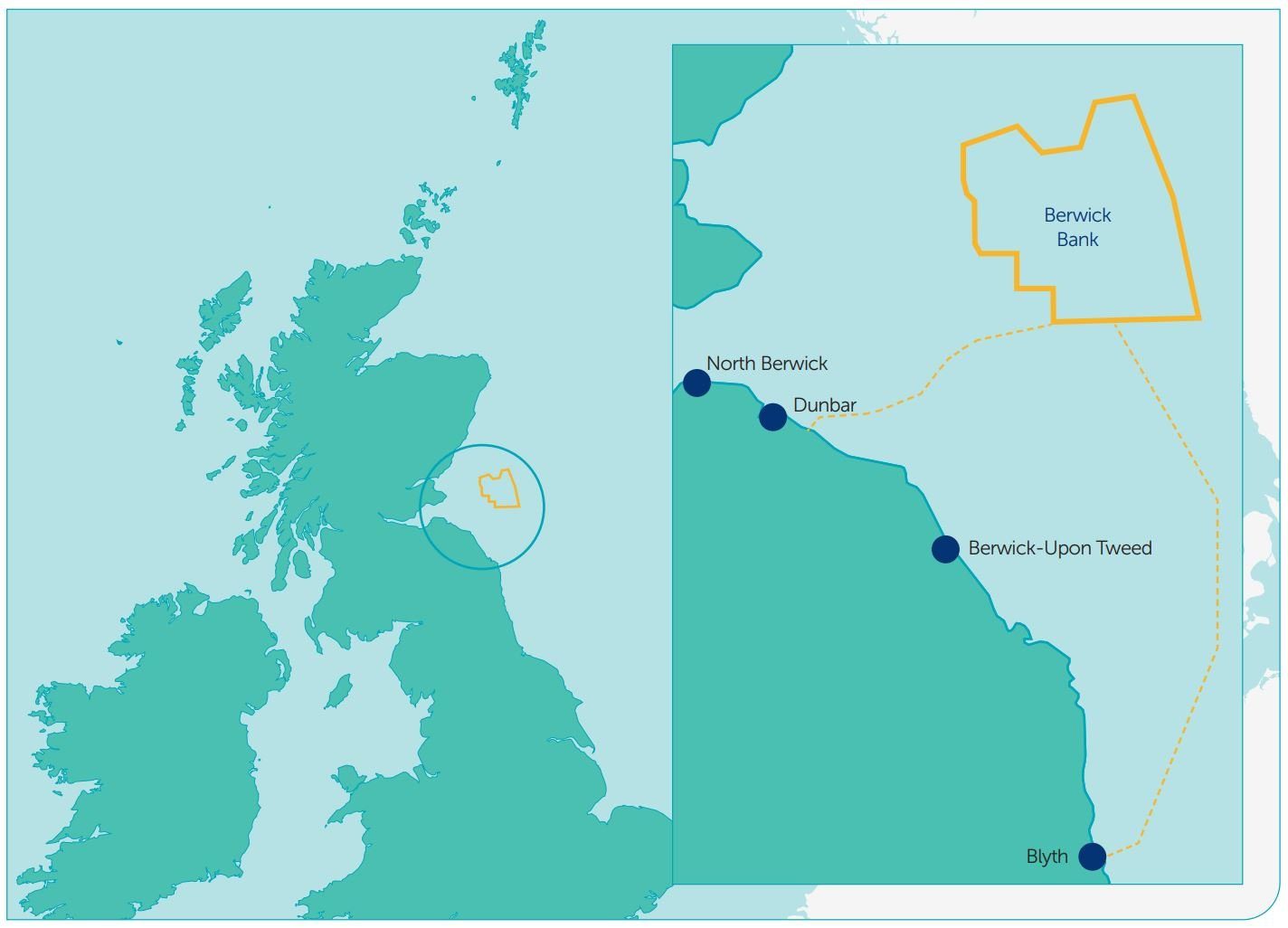
The scheme provides for up to four offshore high-voltage direct current (HVDC) export cables running towards a landfall at Cambois, near Blyth. Beyond the shoreline, planned onshore HVDC cables would lead to a converter station, followed by a high-voltage alternating current connection to the transmission network. The MMO licence concerns the marine works in English waters: it does not mean that cable manufacture, seabed installation or connection testing has begun.
Berwick Bank’s proposed offshore array lies around 38km east of the Scottish Borders coast and has an overall planned capacity of up to 4.1GW across three phases. Scottish ministers consented the generating infrastructure in July 2025. The Cambois Connection is a separate export route and has required consents for onshore works and for offshore sections in two jurisdictions.
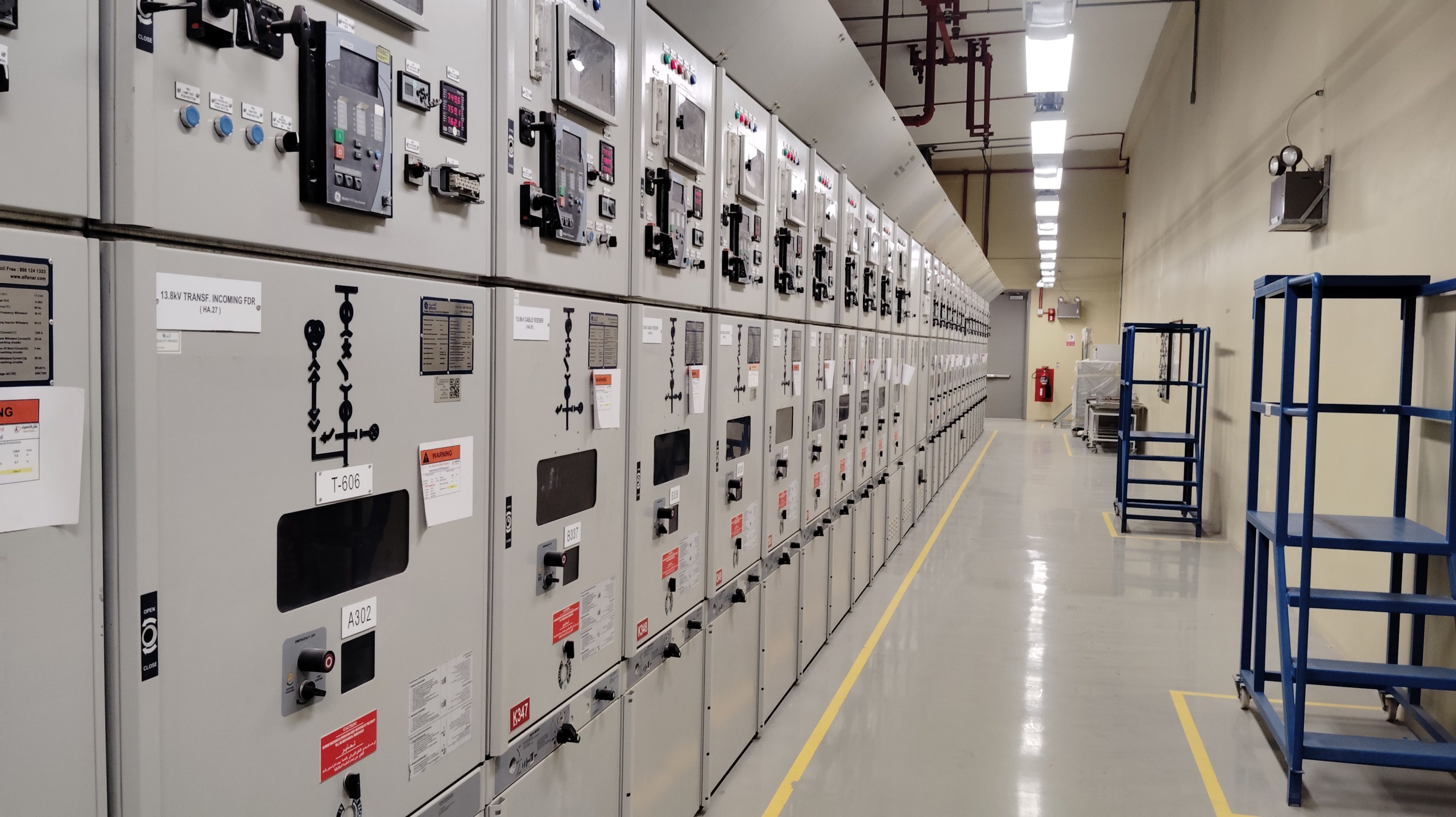
High-voltage direct current is planned for the long-distance transmission route, while offshore wind turbines and their collection systems produce and handle alternating current. Converter equipment is therefore needed at the interface between the offshore collection system and DC export circuit, and again where power reaches the AC transmission network. The consent information identifies the type and intended capacity of the export route but does not confirm a final converter model or the procurement specification for individual cables.
Northumberland County Council granted consent for the onshore transmission infrastructure in November 2024. That part of the development includes landfall works, buried HVDC circuits, a proposed converter station and the onward connection at Blyth. Offshore approvals have proceeded separately because the cable corridor crosses Scottish and English waters, where different authorities administer the relevant marine licensing processes.
Before cable installation, the developer will need to settle detailed route design and installation plans within the consent conditions. Cable burial, protection at seabed crossings, landfall engineering, vessel access and environmental restrictions can influence both costs and construction sequencing. The published November accounts contain no confirmed start date for marine installation, an equipment contract or a commissioning programme for Berwick Bank C.
The stated 1.8GW rating is the export connection’s proposed transmission capacity, not a measure of electricity already entering the grid. Generation turbines, offshore electrical infrastructure, converters, cables and the network interface would all need to be installed and tested before export could begin. That connection rating is also distinct from the total 4.1GW capacity proposed for the wider three-phase development.
SSE is progressing the separate 1.4GW Berwick Bank B phase, which secured a 20-year contract for difference in January 2026 and is being prepared for a possible final investment decision in 2027. The earlier appointment of Seaway7 for Berwick Bank B marine works is unrelated to the new report concerning Berwick Bank C’s Cambois licence. Neither milestone amounts to an investment decision for Berwick Bank C.
The dates of the project’s marine permissions need to be read against their jurisdictions. A notice published in September 2025 records a licence granted by Scottish ministers for the Cambois marine scheme in Scottish waters. SSE’s newly reported decision concerns the MMO’s authority over English waters. The developer’s public planning overview still describes that English application as being determined, despite the new report of approval. The detailed MMO licence conditions, which will govern subsequent marine works, have not been reproduced in the public project accounts.
Separating the export infrastructure from the generating project is material to the delivery programme. The consented offshore array, planned export corridors and contracted generation capacity for different phases are not interchangeable. Each stage carries its own equipment procurement, interface design and construction timetable, and the existence of a licensed route does not establish when its associated wind farm will be built.
The consent is therefore a reported regulatory milestone for the English section of the connection. SSE has not specified a Berwick Bank C cable installation date or commissioning target in the November project information. The published licence conditions, subsequent contract awards and an investment decision will provide more detail on how and when the export route may be built.