IN Brief:
- Oaklands is in its haul-road and cable-route phase while ground testing progresses across the main site.
- The consented project comprises 152.4MW of solar generation and up to 37.5MW of battery storage.
- The latest developer update places main solar construction in Q1 2027, with grid works already progressing.
BayWa r.e. has moved Oaklands Farm Solar Park into haul-road, cable-route, and preparatory ground works in South Derbyshire, beginning the enabling programme ahead of full photovoltaic construction.
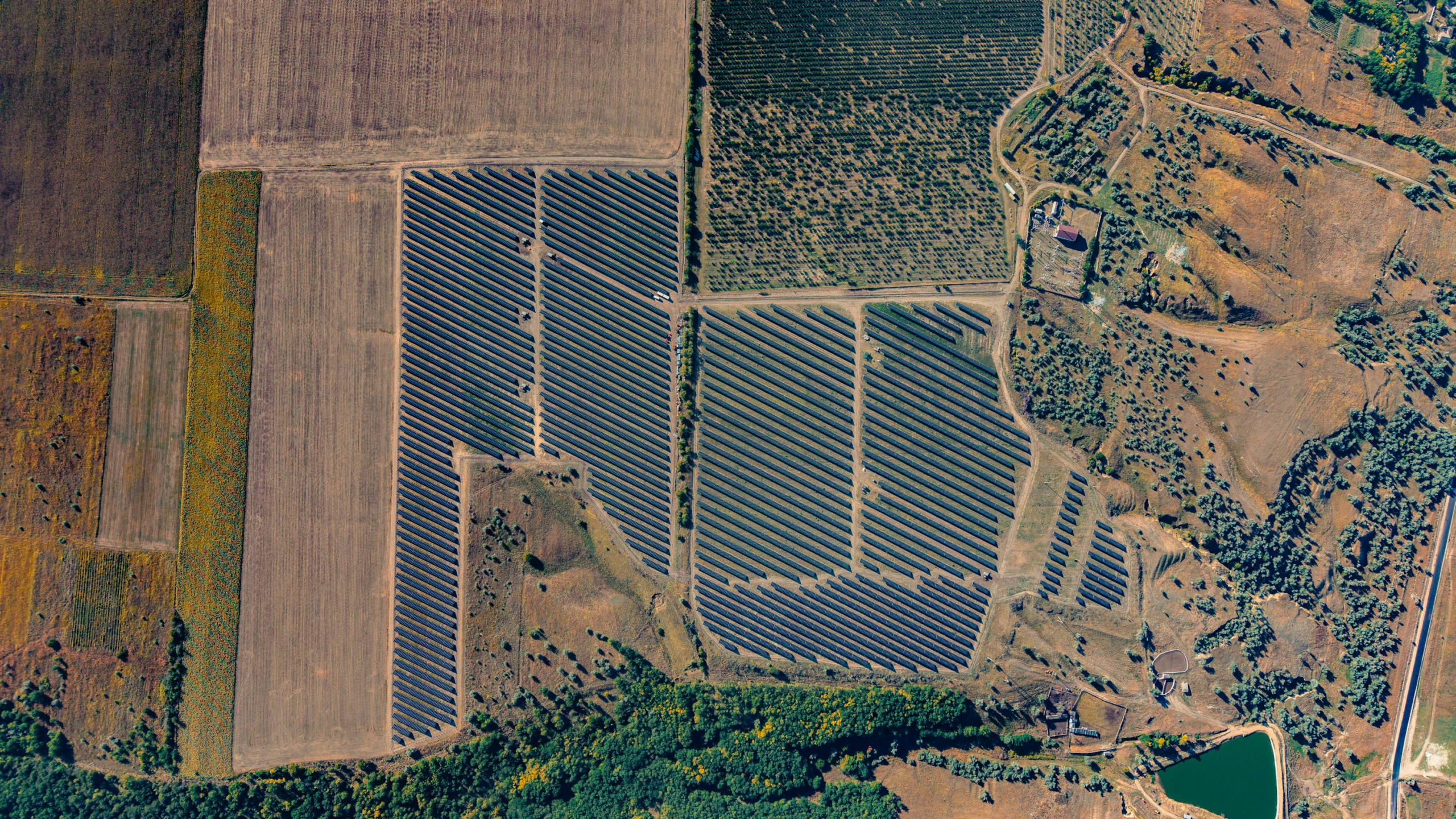
The project near Rosliston and Walton-on-Trent is designed around 152.4MW of solar generation and up to 37.5MW of battery storage. It will connect to the existing Drakelow Substation through an underground cable, placing the current cable-route activity among the first electrical works required before the generating plant can enter service.
Construction of a temporary haul road is already under way, while cable-laying activity is starting during September. BayWa is also carrying out pull-out testing across the main solar site, with around 230 temporary test piles expected to be installed to assess ground conditions and confirm the proposed piling method.
The developer is explicit that those tests do not mark the start of permanent solar installation. Its current project update places the beginning of main solar construction in the first quarter of 2027, while site preparation and grid-related works progress in advance.
Oaklands received development consent in June 2025 under the Nationally Significant Infrastructure Project regime. The consent covers the photovoltaic generating station, energy storage, grid infrastructure, and associated works, allowing the project to move into requirement discharge, detailed design, procurement, and site preparation.
Ground testing is a relatively small operation compared with installing a 152MW photovoltaic plant, but the results influence the structural design across a large part of the site. Utility-scale solar arrays depend on thousands of repeated supports, making uncertainty in soil resistance expensive once installation reaches production scale.
Pull-out tests establish how proposed foundations behave under the loading expected from mounting structures. Engineers can use the results to confirm pile dimensions and embedment depths or identify areas where a different foundation solution is required.
Resolving those issues early reduces the risk of discovering widespread ground problems after mounting systems, modules, and installation resources have already been committed. Test piles are removed after the programme rather than forming part of the permanent array.
The grid connection carries longer lead items of its own. Oaklands will connect to Drakelow by underground cable, and BayWa expects two high-voltage transformers required for the substation connection to arrive during January and February 2027.
Large transformers are difficult to substitute late because ratings, physical dimensions, transport arrangements, protection settings, cooling, and interfaces are closely tied to the site design. Their arrival also depends on civil foundations, bunding, access, lifting plans, and sufficient progress on the surrounding high-voltage equipment. Cable testing, relay settings, and transformer commissioning will then have to be coordinated before the connection can be energised.
The temporary haul road therefore serves more than day-to-day site traffic. It forms part of the logistics infrastructure required to bring increasingly heavy electrical and construction equipment onto the project as the programme advances.
Oaklands also includes up to 37.5MW of battery storage. The current project information gives the battery’s power rating but not its energy capacity, so its duration and final operating duty cannot yet be established from the published specification.
At a hybrid site, storage can potentially absorb photovoltaic generation and return it later, but the useful operating envelope depends on the final megawatt-hour capacity, shared connection limit, inverter configuration, protection systems, metering, and plant controls. Those details determine whether the battery is used primarily for energy shifting, market services, connection optimisation, or a combination of functions.
The project is expected to take around 20 to 24 months through its wider construction phase, with operation targeted around the end of 2027 or early 2028. BayWa also has a non-material change application under consideration covering adjustments to design parameters, so individual programme dates remain subject to the development process.
The current milestone is consequently more precise than describing the project simply as a 152MW solar farm starting construction. Oaklands is establishing access, testing ground conditions, and progressing the cable and grid programme before permanent solar installation begins. Those enabling works will determine how efficiently the heavier photovoltaic, storage, substation, and commissioning packages can follow.