IN Brief:
- The first six battery units have reached the Mokoan construction site in Victoria.
- Latest delivery coverage reports 88 MWh of storage; the developer's published July specification was 40 MW/80 MWh.
- Deutsche Bank provided A$110 million in financing covering the operational solar farm and storage construction.
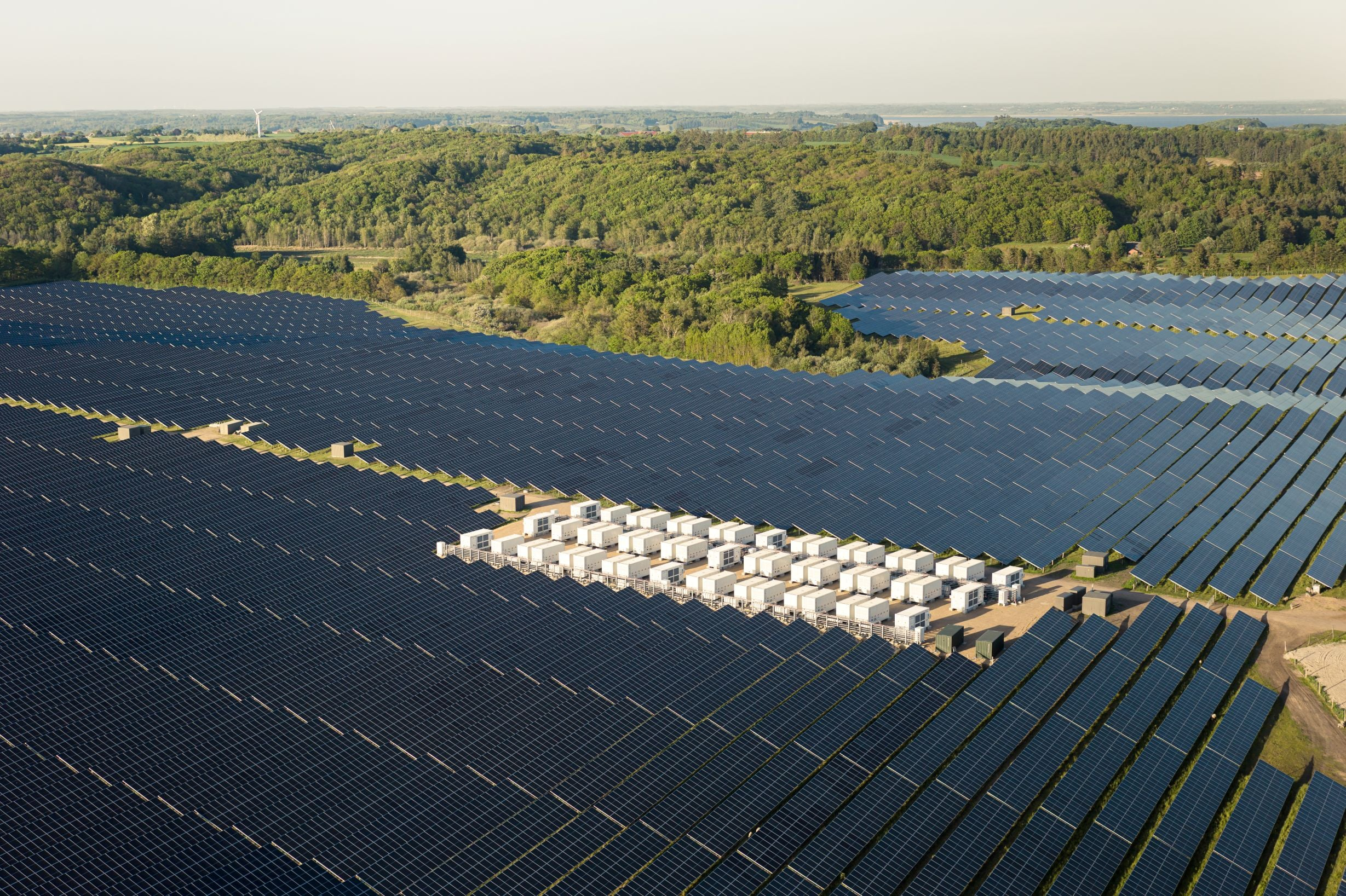
European Energy has received the first six battery storage units for its Mokoan development in northern Victoria, Australia, advancing the addition of electricity storage to an operational 58 MWp photovoltaic installation.
Delivery coverage published on 26 November identifies an 88 MWh battery project at the site near Wangaratta. European Energy’s July financing announcement and the Australian project page accessible on 26 November specify 80 MWh, with the July announcement also giving a power rating of 40 MW. The developer has not separately explained the difference between the reported energy figures or confirmed a revised power rating in the accessible project documentation.
The arrival of the first six units marks progress from financing and preliminary engineering into equipment installation. The project is being developed alongside a solar farm covering approximately 94 hectares, which first generated electricity in December 2024 and achieved full operation in June 2025.
European Energy estimates that the solar farm produces approximately 113 GWh annually. The battery will allow some electricity to be retained for delivery at a different time, subject to available charging energy, conversion losses, and the project’s commercial operating arrangements.
In July, Deutsche Bank provided a three-year, A$110 million non-recourse financing package covering refinancing of the operational solar farm and construction of the battery. The package includes a term facility and hedging arrangements, combining financing for an established generating asset with funding for equipment that has yet to enter commercial service.
The project was selected through Australia’s Capacity Investment Scheme (CIS), which provides long-term revenue support to eligible renewable generation and dispatchable capacity projects. The battery’s construction is therefore taking place within an existing commercial framework, rather than relying exclusively on forecasts of future wholesale electricity prices.
European Energy specified an AC-coupled battery architecture when confirming financial close. The existing photovoltaic inverters convert electricity generated by the solar modules into alternating current, while the battery has separate conversion equipment capable of transferring electricity between its DC circuits and the AC electrical system.
Using separate conversion stages allows a storage installation to be integrated alongside existing photovoltaic equipment without necessarily replacing the solar farm’s inverters. Electricity transferred from the solar installation into the battery must nevertheless pass through the associated conversion stages, introducing electrical losses that influence the energy available for later discharge.
The existing plant’s transformers, switchgear, protection equipment, and connection arrangements must accommodate the revised operating profile. Although the battery adds a separately controllable electrical resource, its installation does not automatically increase the maximum export capacity available through the network connection. Coordinated controls may be required to regulate the combined solar and battery output within the agreed limits.
At the July specification of 40 MW/80 MWh, the battery would have a nominal two-hour storage duration. The 88 MWh figure reported in the latest coverage is 10% higher than the original energy rating. Whether that represents additional usable capacity, a revised installed capacity, or a different reporting basis has not been established. A revised discharge duration cannot therefore be calculated confidently without confirmation of both ratings and their measurement basis.
The Mokoan project is one of several hybrid developments in European Energy’s Australian portfolio. In July, the developer reported an Australian project pipeline of approximately 10 GW across all development stages, having also reached financial close on the Winton North solar and battery development in Victoria.
Across Australia’s National Electricity Market, the Australian Energy Market Operator reported in October that generation and storage projects totalling 80.9 GW were progressing through the connection process, up 43% in a year. Standalone batteries represented 55% of that capacity and hybrid solar and battery projects accounted for 19%. The figures include projects from application through commissioning, rather than exclusively installations ready to operate.
Other developers are pursuing much larger standalone facilities, including EDF’s recently acquired 1 GWh Holloway battery proposal in New South Wales. Mokoan differs in that it adds storage to an already operational generating asset, requiring the new equipment to be integrated with established plant operations.
Following delivery, the battery units must be electrically connected, incorporated into the site’s monitoring and control arrangements, and tested against applicable connection requirements. The remaining deliveries and commissioning programme will determine when the battery can begin operating alongside the existing solar farm. Neither the arrival of equipment nor the earlier financing milestone establishes a commercial operation date.