IN Brief:
- SGE SMR UK, GE Vernova Hitachi Nuclear Energy, and Samsung C&T hosted a supplier event in Birmingham.
- The proposed fleet comprises fourteen BWRX-300 reactors across three British sites, totalling 4.2 GW.
- SGE estimates potential investment of £35 billion, with first power targeted for 2034 and no final investment decision yet confirmed.
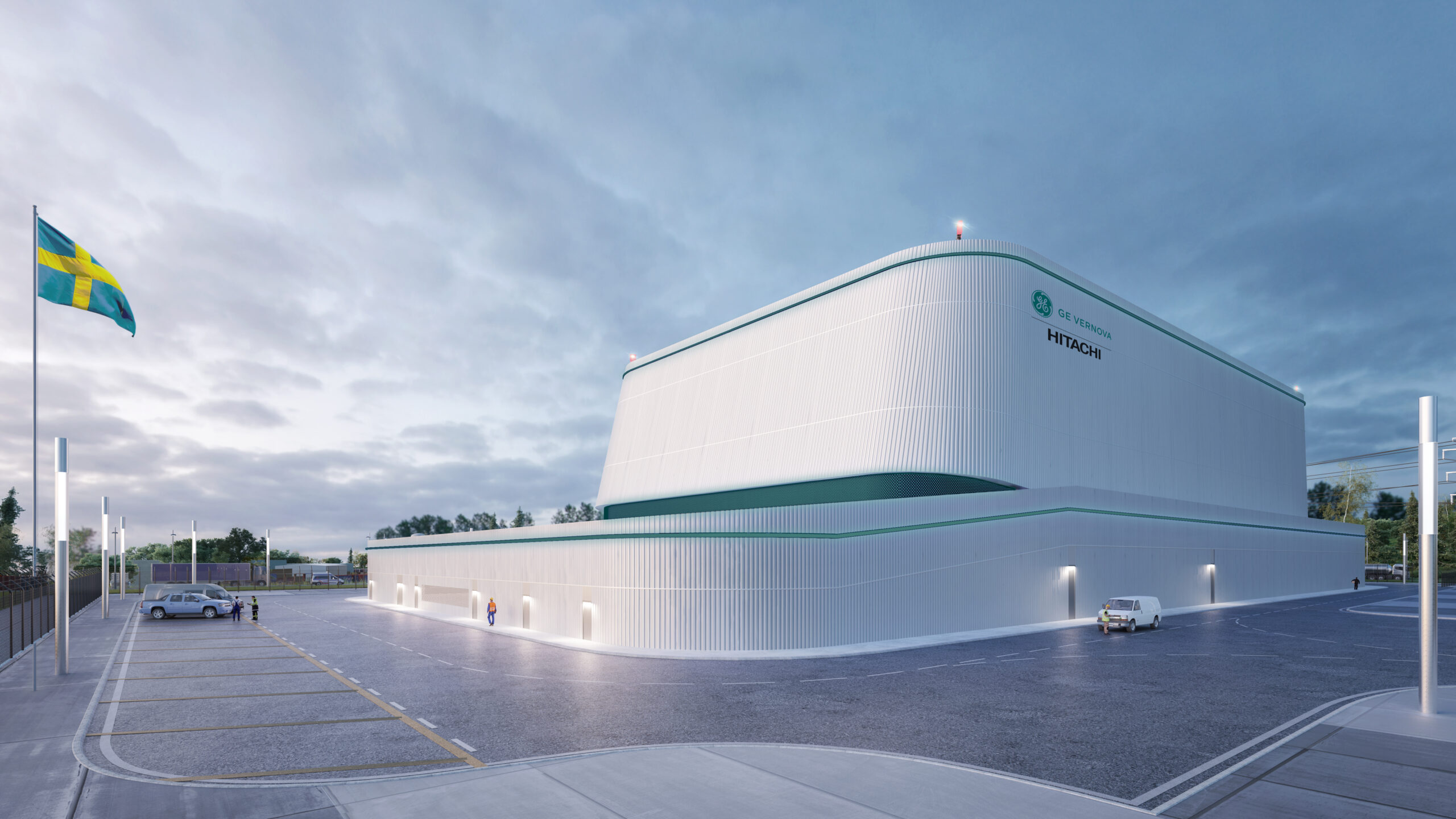
SGE SMR UK has brought together more than 200 British companies to develop its supplier strategy for a proposed fleet of fourteen small modular nuclear reactors, with engineering and construction partners GE Vernova Hitachi Nuclear Energy and Samsung C&T participating in the engagement programme.
The Birmingham event, held on 24 November and reported on 25 November, involved manufacturers, contractors, technology companies, and specialist suppliers. Discussions covered existing British industrial capabilities and the investment needed to support repeated deployment of a common nuclear reactor design.
SGE submitted its proposal to the Department for Energy Security and Net Zero in July under the government’s Advanced Nuclear Framework. Its plans envisage fourteen BWRX-300 units across three sites, representing approximately 4.2 GW of combined generating capacity and an estimated £35 billion of investment.
The proposal has entered the Preliminary Regulatory Assessment Deep Dive. SGE is targeting first power in 2034, although the programme has yet to establish the site-specific approvals, financing, commercial agreements, and construction authorisations necessary for deployment.
The BWRX-300 is a 300 MWe water-cooled boiling water reactor that uses natural circulation and passive safety systems. It builds on GE Vernova Hitachi’s earlier boiling water reactor designs, including the design and licensing basis of the US-certified ESBWR. The first BWRX-300 is under construction at Ontario Power Generation’s Darlington site in Canada, providing a reference project for potential European deployments.
The proposed British fleet would use a common reactor design and repeatable delivery framework. Manufacturing successive units from stable engineering specifications could reduce the number of different component configurations that suppliers must qualify and produce. A common design also enables construction experience from earlier projects to inform work on later units.
A comparable approach is being pursued in Sweden through the four-unit Studsvik SMR programme, which also involves GE Vernova Hitachi and Samsung C&T. Those projects remain separate commercial and regulatory programmes, but the shared technology creates opportunities for suppliers to develop manufacturing capability relevant to more than one market.
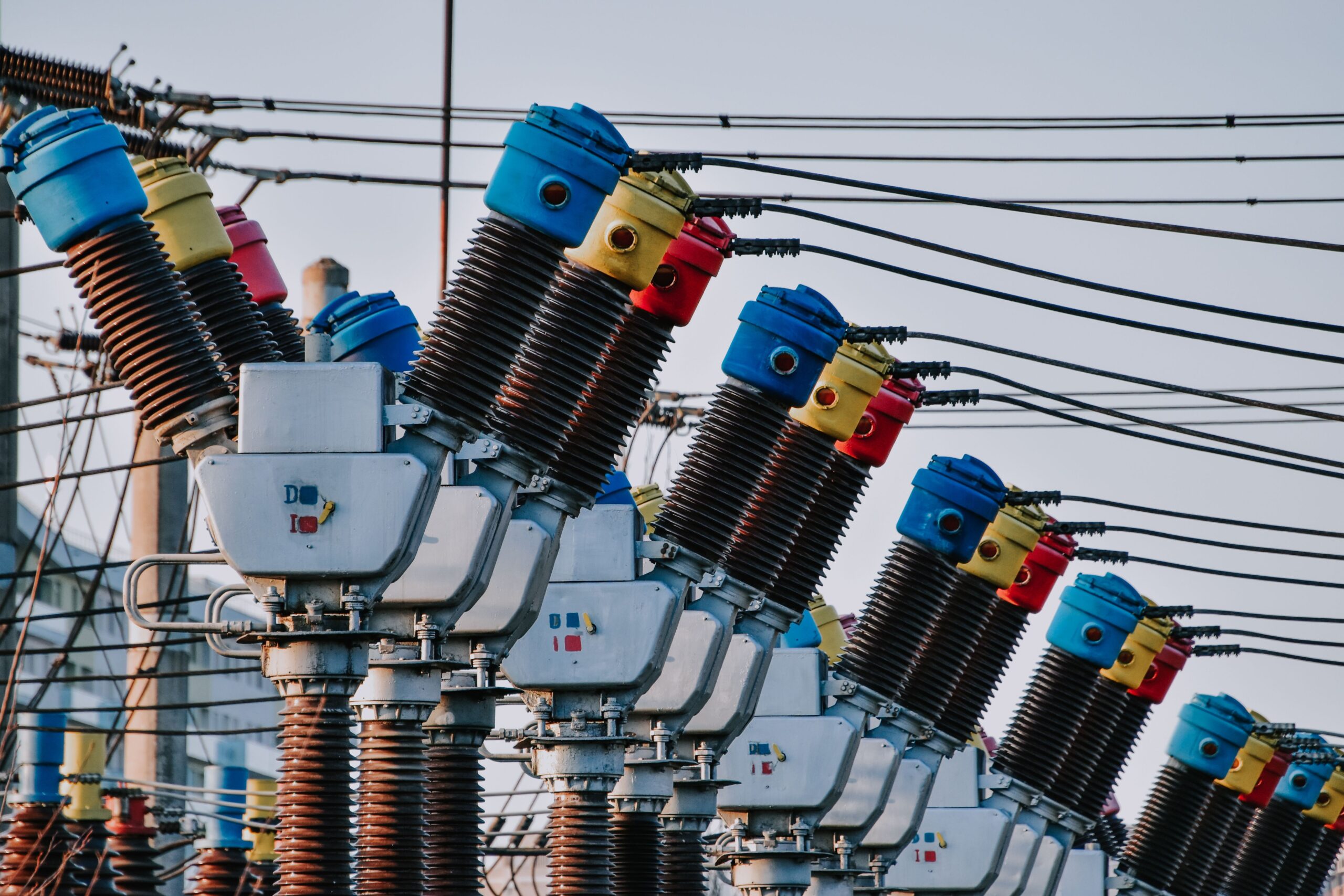
Nuclear electrical equipment packages extend across conventional generation infrastructure and plant systems with specific safety functions. The required scope can include generators, transformers, auxiliary power distribution, instrumentation, control systems, and emergency electrical supplies, with the applicable engineering and qualification requirements determined by each system’s function and classification.
Equipment performing a safety function may require documented evidence that it can operate under specified environmental and electrical conditions. Manufacturing records, inspection results, material traceability, and change control can form part of the evidence necessary to demonstrate conformity throughout procurement and installation.
Establishing those capabilities can require expenditure before an equipment manufacturer receives its first nuclear order. A prospective supplier may need to adapt existing production processes, establish additional quality assurance procedures, train personnel, and demonstrate the performance of equipment against project-specific requirements.
Repeat orders across a fleet could allow that investment to be distributed across several units. The benefit depends on the commercial programme maintaining sufficient continuity and controlling design changes between projects. A component that is qualified for one configuration cannot automatically be substituted into another without considering its effect on the approved design.
The three prospective British locations would also impose individual engineering requirements. Site conditions, cooling arrangements, civil works, grid connection capacity, and emergency planning must be assessed separately, even where the principal reactor design remains common.
Electrical network connection will become a significant part of the delivery strategy as the programme advances. Individual generating units must be integrated with the receiving network through appropriate export transformers, switchgear, protection systems, and metering. The available connection capacity at each site will influence how multiple reactors can be commissioned and operated.
SGE’s supplier engagement extends beyond reactor component manufacturing to electrical systems, civil engineering, fabrication, welding, logistics, quality assurance, and long-term service provision. The company has established a British subsidiary and expects to open a local office with UK staff before the end of 2026.
Its partners are also exploring potential industrial heat applications of the BWRX-300 technology. Such uses would introduce further infrastructure and commercial requirements beyond conventional electricity generation; no specific British industrial heat project was confirmed at the supplier event.
The full supply and delivery strategy is expected to be finalised in 2027. That work will determine the proposed procurement packages, manufacturing requirements, and supplier qualification arrangements that British businesses must satisfy if the fourteen-reactor programme secures the necessary approvals and investment commitments.