IN Brief:
- Zelestra will construct and operate its first battery development in central Italy.
- Statkraft's physical tolling agreement covers the installation's entire 700 MWh storage capacity.
- Bilateral battery contracts are developing alongside Italy's centralised MACSE procurement mechanism.
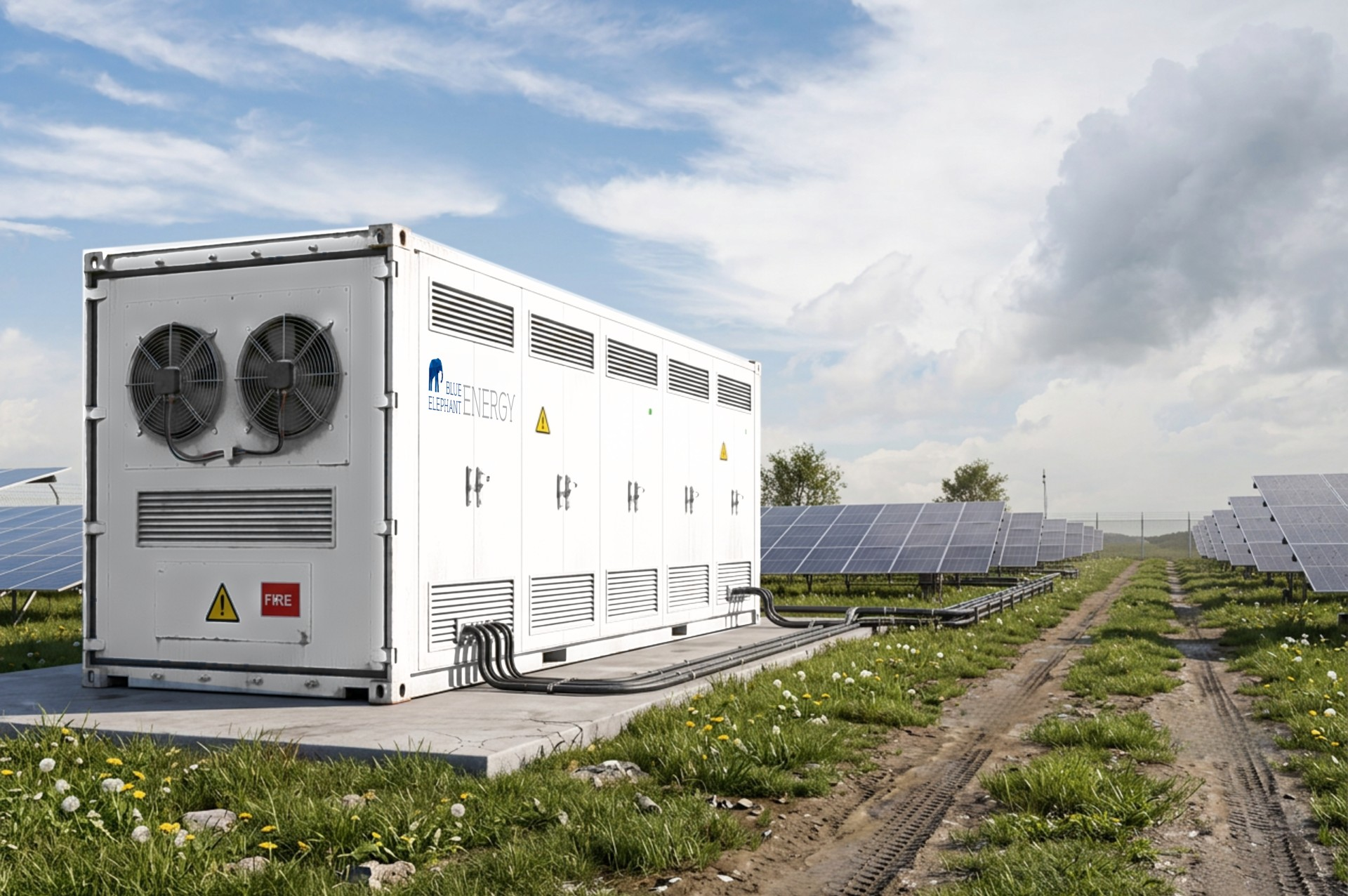
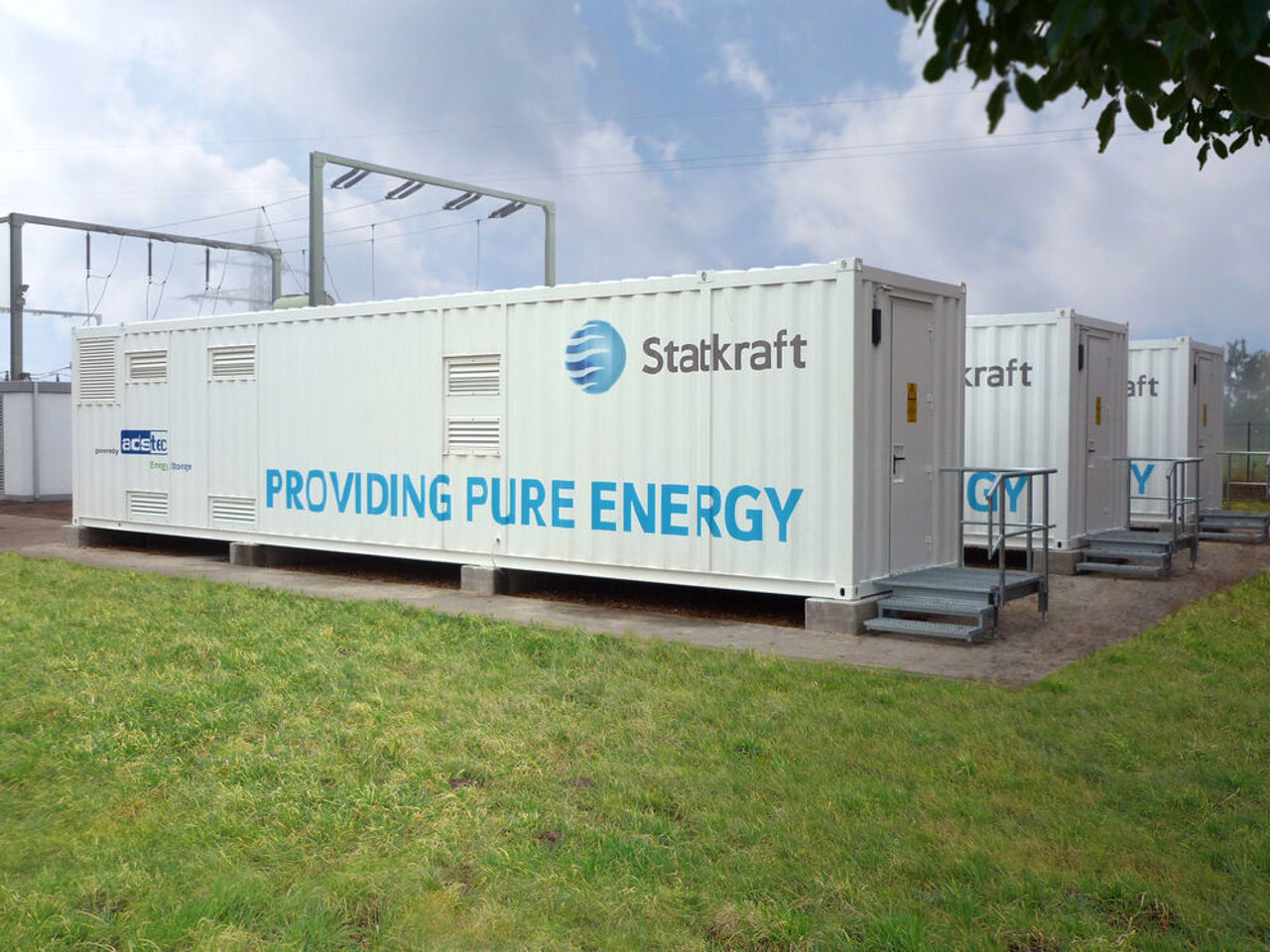
Zelestra has secured an eight-year physical tolling agreement with Statkraft for a fully authorised 175 MW/700 MWh battery energy storage system in central Italy, providing a commercial framework for the development ahead of its planned entry into service in 2028.
Zelestra will construct and operate the facility, its first storage project in central Italy, while Statkraft will manage its commercial deployment across electricity markets. The agreement covers the installation’s entire storage capacity and the project will connect to an existing Terna substation.
The four-hour battery joins a growing portfolio of Italian storage developments supported through bilateral contracts between asset developers and energy trading companies. The arrangements are emerging alongside the country’s centrally procured storage capacity, for which Terna has recently completed its second auction.
Under a physical tolling agreement, a trading counterparty obtains contractual rights to use battery capacity while the owner remains responsible for the physical asset. Statkraft can therefore coordinate dispatch decisions across the contracted installation, subject to the equipment’s operating limits and the terms agreed with Zelestra.
At its stated ratings, the battery can nominally discharge 175 MW for four hours. That duration is relevant to commercial scheduling because a dispatch commitment must specify the energy required as well as the instantaneous power. Maintaining 175 MW for two hours, for example, would represent 350 MWh of energy delivery, before accounting for any differences between nameplate ratings and contractual delivery conditions.
Unlike a power purchase agreement for a photovoltaic or wind farm, battery tolling involves controlling electricity consumption as well as delivery. The trader must schedule charging before subsequent discharge, with the available energy at any point determined by previous dispatch decisions and the battery’s operating condition.
Charging and discharging are also subject to electrical conversion losses. A cycle that purchases and later exports electricity must generate sufficient revenue to cover the cost of the imported energy, including the energy lost during conversion and other expenses associated with operation.
The division of commercial and asset management responsibilities provides developers with an alternative to directly managing these trading exposures. The financial structure of a physical toll can establish a predictable revenue stream for the asset owner, while allocating some or all of the risks and opportunities associated with market dispatch to the counterparty. Zelestra and Statkraft have not disclosed their agreed payments or the detailed risk allocation.
Earlier in November, the two principal routes for Italian storage development became particularly apparent when the system operator Terna awarded 16 GWh of storage in the second round of its electricity storage capacity procurement mechanism, MACSE. Delivery of the auctioned capacity is scheduled for 2029.
MACSE provides a centralised means of contracting long-term storage availability, whereas bilateral agreements enable developers and traders to establish their own commercial terms for using particular assets. Zelestra’s planned 2028 commissioning date places its central Italian development ahead of the delivery year for the latest MACSE round.
The growth of photovoltaic capacity in Italy is creating more pronounced differences between periods of abundant daytime electricity and demand outside the main solar production window. The availability of four-hour storage provides a means of transferring electricity between those periods, subject to local network capacity and the price signals available to the trading counterparty.
Statkraft has also entered into Dutch solar and battery agreements covering generation and storage optimisation. The central Italian contract differs in that it encompasses the entire capacity of a large standalone battery under one physical tolling arrangement.
The Terna connection will determine the physical interface through which the contracted capacity can be made available. The battery’s converters must regulate power in both directions, with plant controls coordinating the output of individual units to maintain the aggregate dispatch instruction at the connection point.
Contracted dispatch rights must be reconciled with the equipment’s state of charge, thermal limits, and maintenance requirements. Over an eight-year operating period, battery degradation can also reduce the amount of energy available during a full discharge. Any capacity guarantees or allowances for degradation must be managed under the agreed operating framework, although neither company has published the relevant contract provisions.
The connection to an established transmission substation and the completion of the project’s authorisations establish important prerequisites for construction. The companies have yet to identify the battery technology supplier or provide a detailed construction schedule. The agreed commercial deployment of the 700 MWh installation is expected to begin in 2028.