IN Brief:
- AVK's initial scope includes 27 modular PowerPods housing switchgear and control infrastructure.
- Nine medium-voltage PowerPods are in production for delivery in mid-December.
- The Haydock assembly facility contains a 64-tonne crane and equipment for full-load testing.
British critical power specialist AVK is supplying an integrated electrical infrastructure package for a 120 MW artificial intelligence data centre development in Europe, combining gas-fired standby generation, modular switchgear assemblies, battery storage, and common control infrastructure.
The first phase includes more than 50 Rolls-Royce mtu gas generators and 27 AVK PowerPods, alongside two battery energy storage systems and their associated controls. Nine medium-voltage PowerPods are being assembled at AVK’s Haydock manufacturing facility for delivery in mid-December. The project represents the company’s first delivery of its complete data centre energy infrastructure portfolio within a single installation.
AVK has identified an anticipated expansion of the campus to 300 MW, requiring further generating equipment. Neither the customer nor the precise site location has been publicly identified, and the capacities of the individual battery systems have not been disclosed.
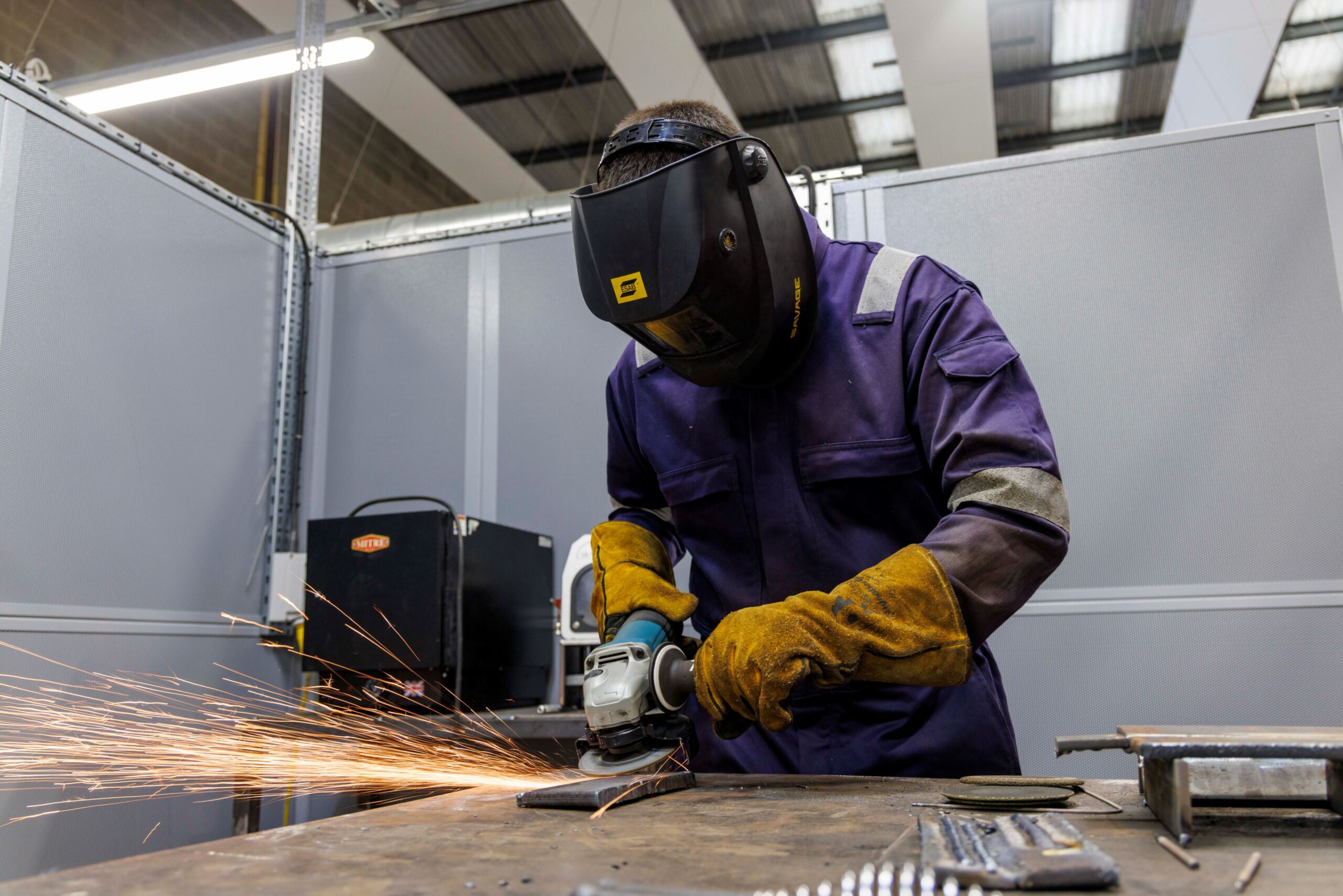
The company’s Haydock premises provide approximately 140,000 square feet of production space, a 64-tonne overhead crane, installed busbar infrastructure, and a dedicated environmental testing laboratory. AVK estimates that the facility can accommodate 23 to 25 PowerPods at once and produce between 100 and 120 units annually.
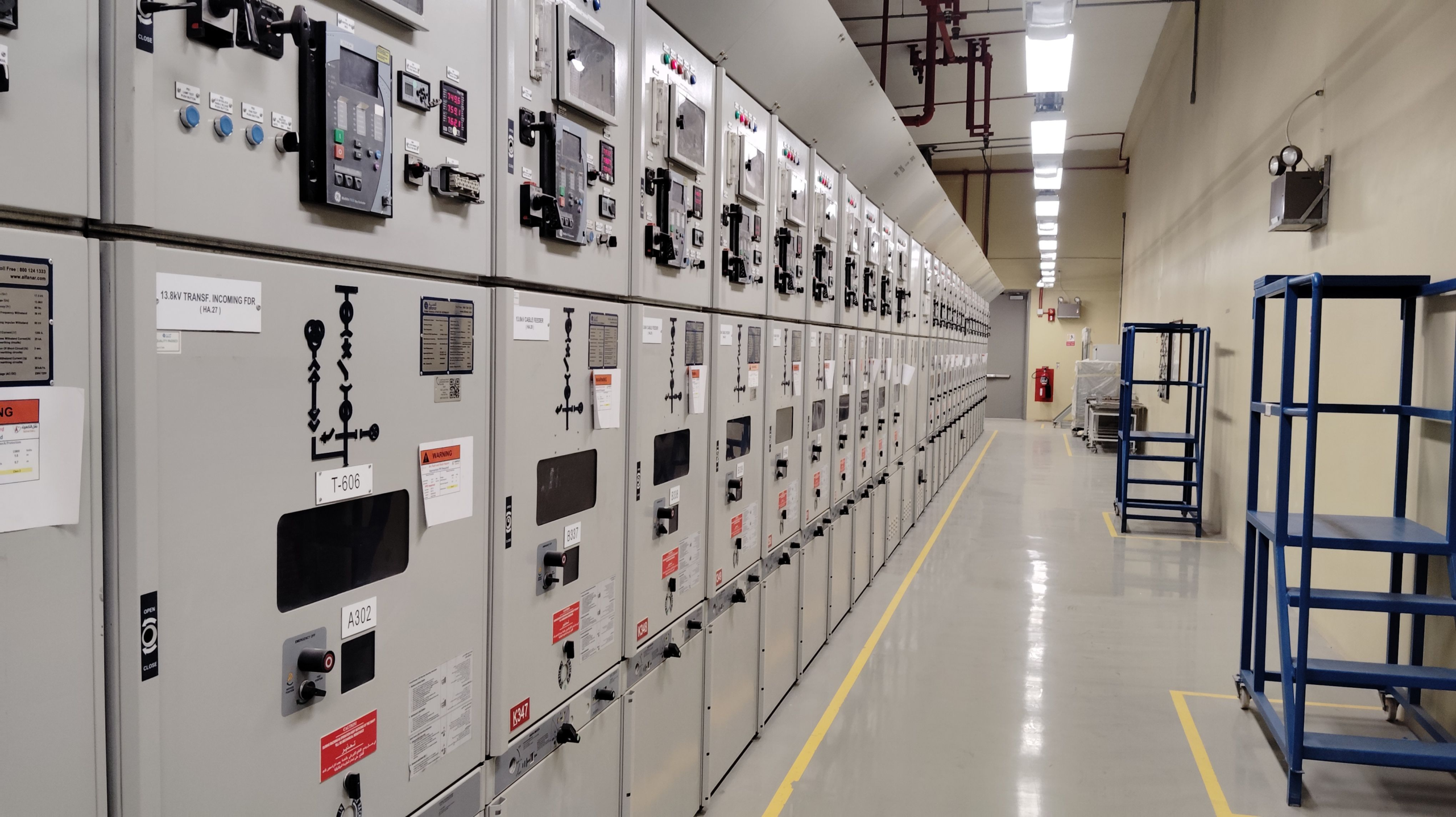
Assembling modular electrical infrastructure away from the construction site allows equipment installation, internal cabling, and some testing to proceed independently of the progress of the main building works. The modules can incorporate switchgear and control room equipment within enclosures designed for transport to the project, reducing the number of individual assemblies requiring installation at the final location.
AVK is also undertaking generator containerisation in-house. Removable container roofs enable large engines to be lowered into position using the overhead crane after preparatory assembly work. The structures must accommodate lifting and transportation loads as well as the mechanical and environmental conditions encountered during operation; AVK has modified aspects of its design to address European regulatory and seismic requirements.
Generating equipment can be tested under electrical load at Haydock before shipment. The premises do not have a nearby natural gas main, requiring AVK to arrange a temporary gas supply for the generator test programme. Using load banks to reproduce electrical demand allows a generating unit to be operated at its rated output without connecting it to the final data centre installation.
Such tests allow equipment performance to be examined under controlled conditions, including the behaviour of voltage and frequency regulation, fuel supply systems, and cooling equipment where these form part of the test specification. Tests on individual assemblies must subsequently be complemented by commissioning of the interconnected electrical system, because the operation of a generator in isolation does not establish how several generating units will perform together.
Synchronisation and load sharing become increasingly important when multiple generators operate on common alternating current busbars. Controllers must establish compatible voltage, frequency, and phase conditions before units are connected, then distribute the electrical load among available machines. The operating configuration can also affect the current available during faults, requiring protective devices to be coordinated for different combinations of connected equipment.
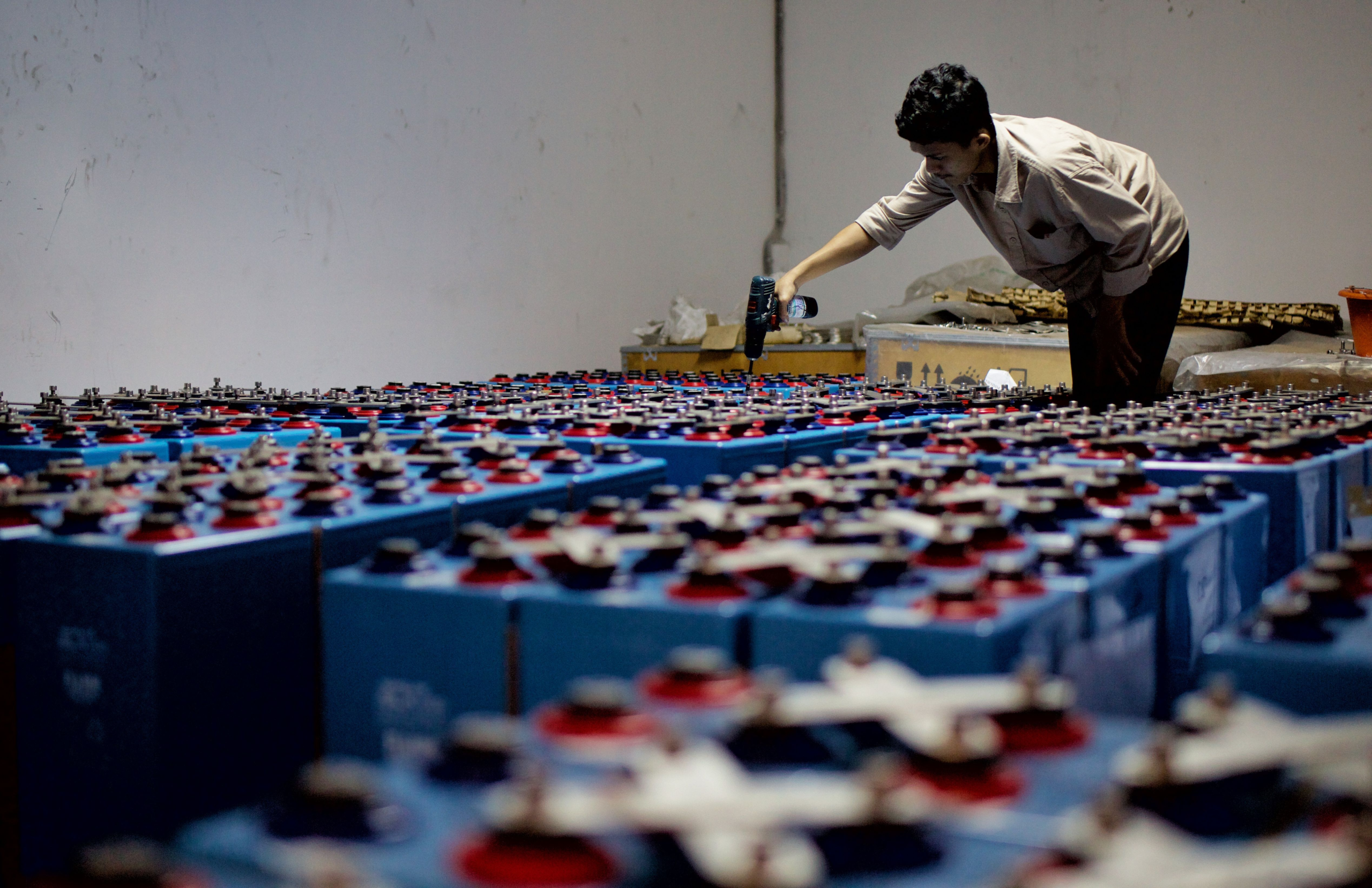
Battery storage introduces another source of power that can be coordinated with the generators. Its response may be faster than the mechanical response of an engine to changing electrical demand, but the extent of any contribution depends on converter ratings, usable battery energy, and the control strategy. The inclusion of two storage systems alone does not establish the duration of backup available or the magnitude of load fluctuations they can accommodate.
AVK describes the gas generating package as standby infrastructure rather than a confirmed source of continuous primary electricity. The expected operating duty affects fuel supply arrangements, engine servicing requirements, and the commercial assumptions governing the equipment. A generating system capable of supporting an isolated electrical network may still be intended to operate only during interruptions to the normal supply or other specified conditions.
The integration of generator controls, switchgear, protection, and storage also requires a coordinated commissioning programme. Electrical interfaces between modules must be verified at site, and system-level testing must establish that the infrastructure responds appropriately to changes in load and equipment availability. The design of the final connection and the operating sequence remain undisclosed.
The initial equipment package is progressing through production and delivery, with the first nine medium-voltage PowerPods scheduled to leave Haydock in December. Further manufacture, site installation, and commissioning will be required before the complete 120 MW development can operate with its integrated critical power infrastructure.