IN Brief:
- The expanded collaboration builds on a £2 million photovoltaic and battery storage pilot covering 250 Lancashire homes.
- UrbanChain's energy operating system will coordinate surplus solar generation with electricity demand elsewhere in the landlord's portfolio.
- Together Housing manages more than 39,000 homes across northern England, with the number participating in the expanded scheme yet to be disclosed.
UrbanChain is expanding its renewable electricity collaboration with Together Housing Group, using surplus generation from residential photovoltaic installations to meet electricity demand across the housing association’s landlord supply portfolio. The development extends an established pilot into a wider programme of distributed electricity management across northern England.
Together Housing owns and manages more than 39,000 homes across an area of approximately 9,000 square miles. The partnership, announced on 17 November, will use UrbanChain’s energy operating system to coordinate electricity generated by participating properties with demand elsewhere in the organisation’s estate.
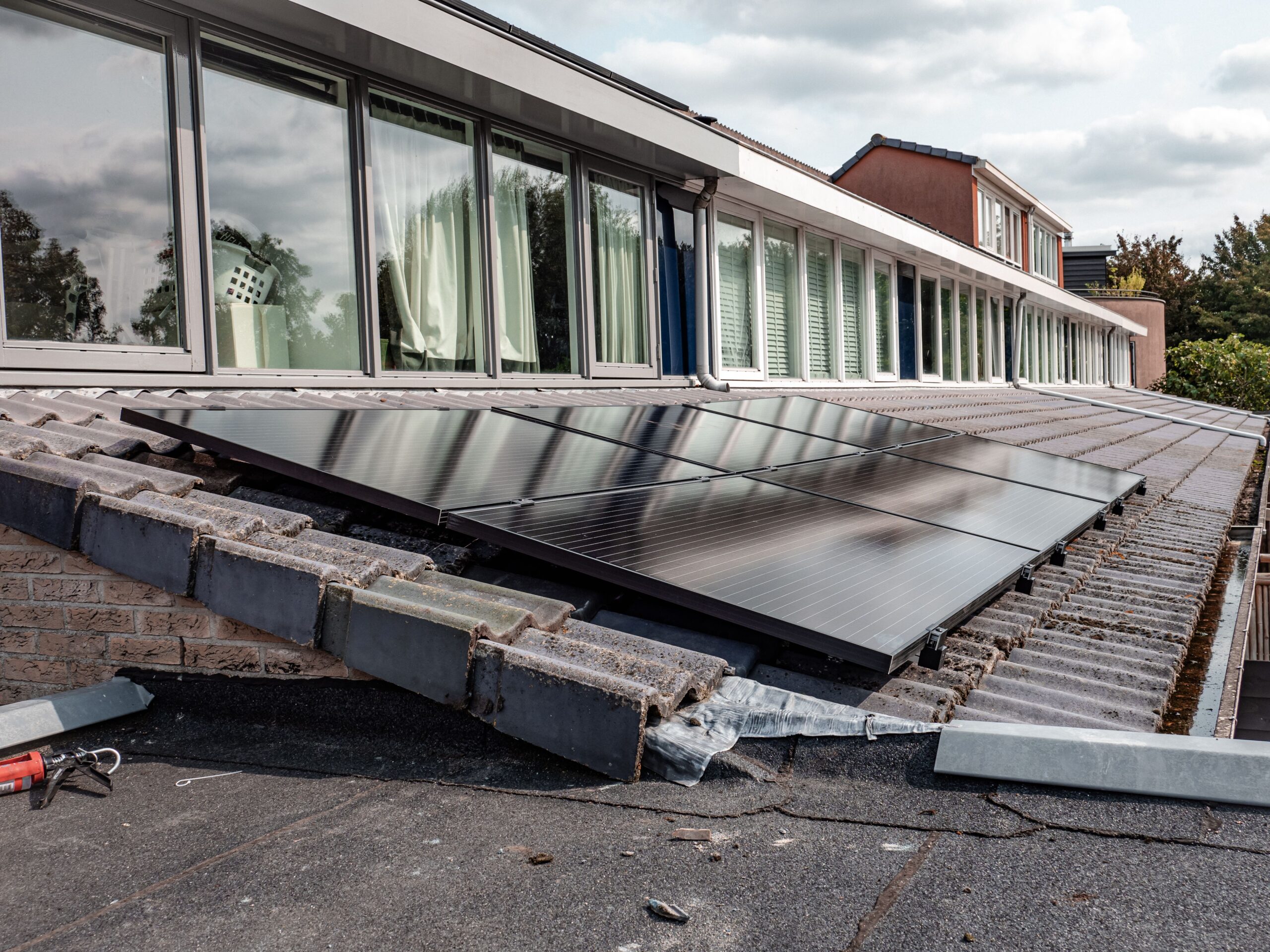
The companies’ original collaboration began in 2019 and involved photovoltaic generation and battery storage at 250 Lancashire homes. The £2 million installation programme, jointly funded by Together Housing and the European Regional Development Fund, covered 170 properties in Colne and 80 in Nelson.
That development established a portfolio of distributed electricity generating and storage assets within residential properties. The expanded arrangement will provide a commercial mechanism through which electricity exceeding the immediate requirements of participating homes can contribute towards the housing association’s wider electricity supply requirements.
Conventional residential photovoltaic installations primarily reduce electricity imports at the properties where they are located. When solar generation exceeds local demand, surplus electricity can be exported or retained in a battery where suitable storage equipment is available. The financial value of those exports is normally determined through the relevant electricity export arrangements.
UrbanChain’s model introduces the opportunity to match exported generation with electricity demand associated with other participating supply accounts. The housing association could consequently make greater commercial use of its existing generation assets without requiring every consumption site to have its own photovoltaic installation.
Electricity sharing in this context is a commercial and digital arrangement rather than a dedicated physical distribution network connecting participating buildings. Electricity continues to flow through the public network according to its electrical configuration and prevailing operating conditions. The platform coordinates the quantities of electricity generated and consumed through the relevant metering and supply arrangements.
That distinction is important for electrical engineers assessing the integration of distributed generating assets. Commercially matching photovoltaic exports with demand elsewhere does not change the physical capacity of the circuits through which the electricity flows. Individual installations must continue to operate within their export limits, while distribution network operators remain responsible for managing voltage and electrical loading across their infrastructure.
The effectiveness of the commercial model depends partly on the extent to which participating electricity demand coincides with available photovoltaic generation. Aggregating multiple consumption sites increases the range of loads against which surplus electricity can be matched. However, residential generation across neighbouring areas can follow broadly similar patterns, particularly during periods of strong irradiance.
Battery storage can alter that relationship by retaining electricity for later use. The installations established through Together Housing’s original pilot already incorporate batteries, providing a means of managing the timing of electricity consumption and exports at participating properties. The operation of those batteries must account for their available energy capacity, charging and discharging limits, and the requirements of the properties they serve.
Extending the arrangement across a wider portfolio also increases the importance of reliable electricity consumption and generation data. Monitoring must account for differences between individual installations, including variations in photovoltaic output, equipment availability, battery operating conditions, and the volume of electricity exported to the network. These measurements establish the quantities available for commercial allocation.
UrbanChain is pursuing similar electricity matching arrangements with other asset owners. A separate partnership with Blackfinch Energy covers electricity generated by two Welsh solar farms, with the output allocated across 24 consumption meters within Blackfinch’s wider portfolio. The developments illustrate different applications of distributed electricity supply, spanning residential generation and larger commercial renewable assets.
Together Housing’s expanded collaboration is intended to support landlord electricity supplies rather than establish a new electricity tariff for every residential tenant. Its commercial performance will depend on the quantity and timing of available generation, participating demand, and the charges associated with the applicable supply arrangements.
The organisation has not disclosed the total photovoltaic capacity that will participate in the expanded programme or the expected annual volume of electricity matched through UrbanChain’s platform. Its existing estate provides opportunities to extend the model beyond the original Lancashire pilot, with the scale of that expansion dependent on the suitability and availability of individual generating assets and landlord electricity accounts.