IN Brief:
- Siemens Energy's Grid Technologies division secured €24bn of orders in fiscal 2026, an increase of 14.5% on a comparable basis.
- Comparable revenue increased by 26.2%, while the segment achieved an 18.9% profit margin before special items.
- The division forecasts revenue growth of 22–24% and a profit margin of 21–23% in fiscal 2027.
Siemens Energy secured €24bn of orders in its Grid Technologies division during fiscal 2026, with electricity transmission and network infrastructure demand supporting increased manufacturing output and higher profitability. Orders rose by 14.5% on a comparable basis, while divisional revenue increased by 26.2% and the profit margin before special items reached 18.9%.
The results cover the financial year ending 30 September 2026 and reflect continued investment in electricity networks, transmission capacity and electrical equipment. Siemens Energy confirmed that capacity expansion at existing Grid Technologies manufacturing facilities contributed to higher output, allowing the business to process more of its order backlog during the year.
Its Grid Technologies division generated €4.1bn of free cash flow before tax, benefiting from operating performance and the conversion of orders into manufacturing and project activity. This figure relates specifically to the division, while the company's €164bn year-end order backlog covers all Siemens Energy businesses.
The manufacturer expects demand for electrical infrastructure to remain strong during fiscal 2027. It is forecasting comparable Grid Technologies revenue growth of between 22% and 24%, alongside a profit margin before special items of 21–23%, compared with the 18.9% recorded in 2026.
Grid Technologies supplies equipment and engineering services used to transmit, distribute and control electricity. Its portfolio includes high-voltage transformers, switchgear, substations, power conversion equipment, high-voltage direct current transmission systems and technologies supporting the management of electrical networks.
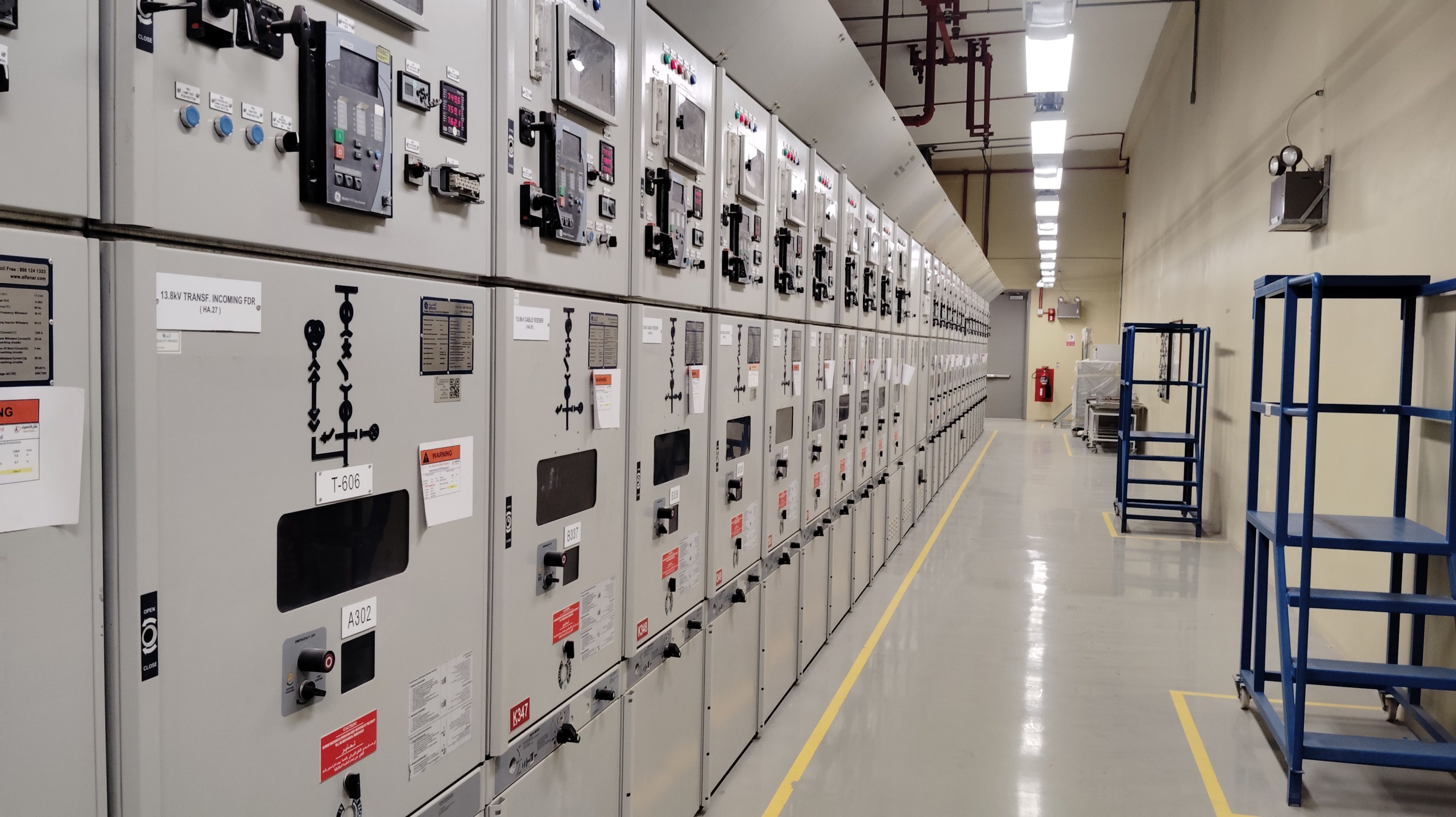
These product groups perform different functions within the electricity system. Transformers provide voltage conversion between generating plants, transmission circuits and distribution infrastructure, while switchgear enables circuits to be connected, isolated and protected under specified electrical conditions.
Both require carefully controlled manufacturing processes. Transformer performance depends on winding design, magnetic core characteristics, insulation systems and cooling arrangements, with equipment engineered to withstand the voltage, current and mechanical stresses associated with its intended installation.
High-voltage switchgear must similarly satisfy defined insulation and switching requirements. Its equipment is specified according to rated voltage, operating current, fault interruption capability and the environmental conditions of the installation. Individual systems must undergo appropriate factory testing before delivery.
High-voltage DC infrastructure introduces additional engineering requirements. Converter stations use power electronics to transfer electricity between alternating-current networks and DC transmission circuits, supported by transformers, controls, cooling systems and protection arrangements.
Such systems are increasingly used for long-distance and subsea electricity transmission, where the characteristics of DC cables can provide advantages over conventional AC connections. Their implementation involves substantial coordination between converter equipment, cable systems, substations and the networks at either end of the link.
The increase in orders therefore represents demand across a range of equipment types, manufacturing processes and project delivery schedules. A transformer manufacturing order may progress through engineering and factory production, while a large transmission connection can involve several years of design, procurement, installation and commissioning.
Manufacturing capacity is especially relevant where equipment has long production cycles or must be customised for particular installations. Large power transformers and specialised high-voltage equipment cannot always be substituted readily once a network operator has established the electrical design of a project.
Increasing factory output can shorten some production constraints, although completed equipment must still pass inspection and testing before delivery. Transport, site installation, construction readiness and electrical commissioning can introduce further requirements before a network asset enters operation.
Siemens Energy's latest performance reflects the expansion of this industrial activity. The company reported that increased production capacity at existing Grid Technologies and Gas Services facilities was already contributing to revenue growth, while both businesses recorded their highest quarterly revenues during the final quarter of fiscal 2026.
The underlying investment demand extends across several parts of the electricity system. New renewable generating capacity requires grid connections and transmission reinforcement, while industrial electrification and commercial expansion can increase loading on existing substations and distribution infrastructure.
Large data centre developments are creating additional requirements for high-capacity electrical connections and supporting equipment. Siemens Energy expects the growth of computing infrastructure, particularly in North America, to contribute to continued demand for electricity generation and network expansion.
Connection requirements vary according to the power consumption and operating characteristics of individual sites. New electrical loads must be assessed against transformer capacity, circuit ratings, fault levels, voltage performance and the network's ability to maintain security of supply.
Where existing infrastructure cannot accommodate additional demand, network operators may require higher-capacity transformers, additional circuits, switchgear upgrades or new substations. These interventions can involve equipment with lengthy manufacturing and delivery schedules, creating demand for suppliers capable of providing both electrical engineering and production capacity.
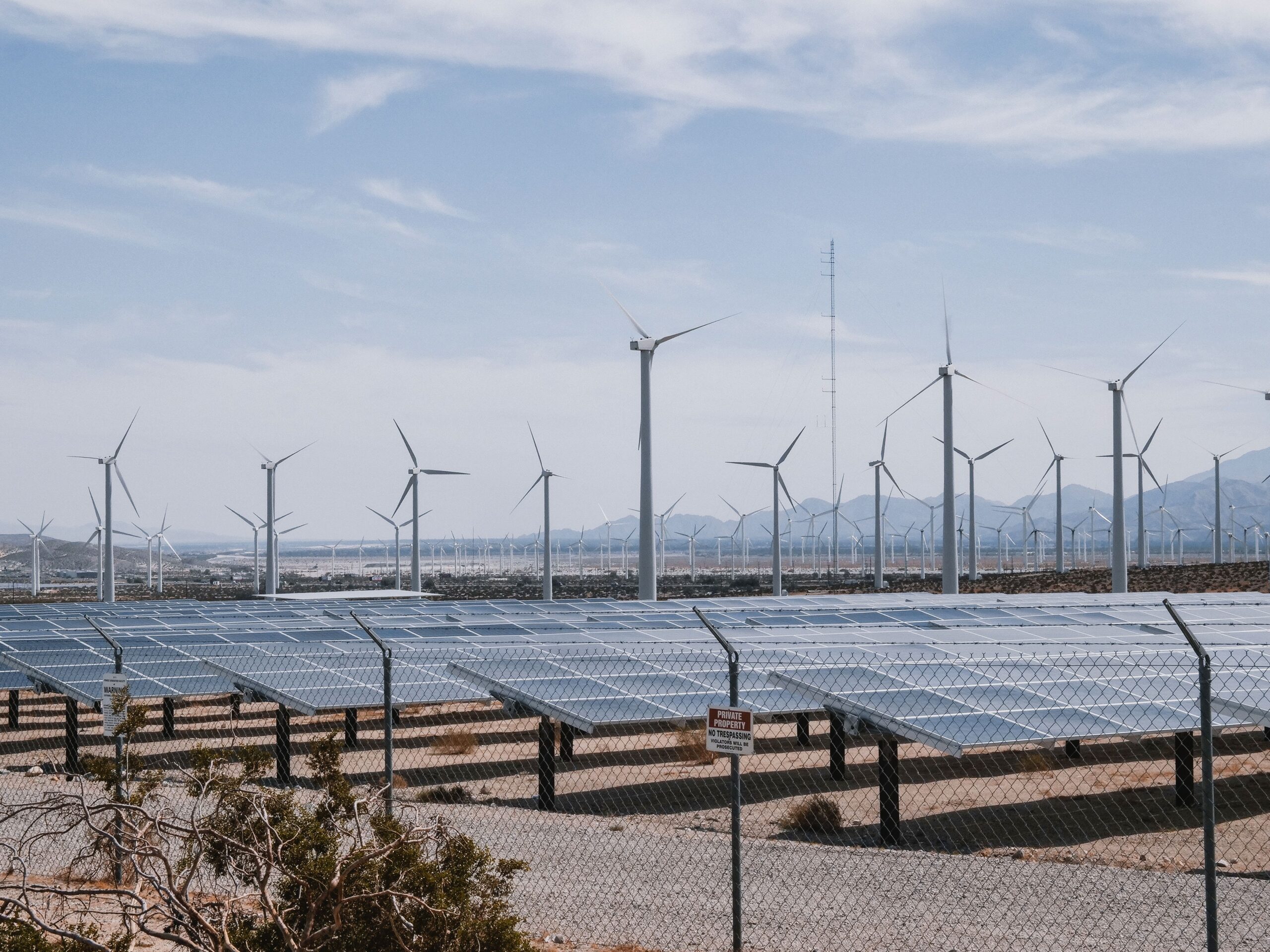
Renewable generation also changes the requirements placed on transmission infrastructure. Large wind and solar projects may be located away from established electricity demand centres, requiring new connections and increased transfer capability through the wider network.
Network stabilisation equipment and control systems become important as electricity flows and operating conditions change. The appropriate engineering response depends on the electrical characteristics of the network, including reactive power requirements, voltage conditions and the behaviour of connected generating and consuming equipment.
At group level, Siemens Energy recorded orders of €68.1bn in fiscal 2026, representing comparable growth of 18.8%. Revenue increased by 15.5% on the same basis to €44.2bn, while its year-end order backlog reached €164bn. These figures include the Gas Services, Transformation of Industry and Siemens Gamesa businesses as well as Grid Technologies.
The group's profit before special items increased to approximately €5.5bn, with a corresponding margin of 12.4%. Net income reached €4.13bn, while free cash flow before tax was approximately €8.8bn. The recovery of the wind business contributed to the improvement alongside increased activity in the gas and grid divisions.
Grid Technologies remains one of the strongest areas of growth within the group. Its 2027 forecast assumes continued expansion in electricity infrastructure expenditure and further execution of manufacturing and project orders, but the projected revenue and margin figures remain subject to delivery performance and market conditions.
The €24bn order intake establishes a substantial volume of future electrical equipment and engineering work. Its conversion into installed infrastructure will depend on manufacturing output, project construction schedules and commissioning progress, with Siemens Energy targeting another year of double-digit revenue growth in Grid Technologies during fiscal 2027.