IN Brief:
- DIMÉO Invest has secured €53m from Caisse d'Épargne Rhône-Alpes, BPCE Energeco, and Arkéa Banque Entreprises & Institutionnels.
- The financing supports 127 photovoltaic installations with 63.4MWp of capacity, approximately 40% of them in Auvergne-Rhône-Alpes.
- Construction is expected to begin in late 2026 and continue through 2028; the financing does not represent completed installations.
DIMÉO Énergie has secured €53m of financing for 127 photovoltaic installations across France, representing 63.4MWp of planned generating capacity. The portfolio covers solar systems on existing and new buildings, together with car-park canopies, with construction scheduled to begin in late 2026 and continue through the end of 2028.
The funding has been arranged through DIMÉO Invest, the group's investment subsidiary, and represents its second portfolio financing operation under a third-party investment structure. The lenders are Caisse d'Épargne Rhône-Alpes, BPCE Energeco, and Arkéa Banque Entreprises & Institutionnels, with Monte Cristo Advisory supporting the transaction.
Caisse d'Épargne Rhône-Alpes participated in DIMÉO's previous financing programme and is continuing its relationship with the company. The latest transaction adds BPCE Energeco and Arkéa as financing partners, providing a new funding arrangement for a substantially larger group of distributed solar projects.
Approximately 40% of the installations will be developed in Auvergne-Rhône-Alpes, with the remainder spread across other regions of France. DIMÉO has not published a complete list of host locations or an individual construction timetable for each project.
The agreement follows the company's first third-party investment financing operation, completed earlier in 2026. That programme covered 36 rooftop photovoltaic installations with an aggregate capacity of approximately 12.05MWp, supported by Caisse d'Épargne Rhône-Alpes and Bpifrance.
The latest portfolio is considerably larger, with more than three times as many installations and more than five times the planned generating capacity. The two financing transactions concern separate groups of projects and should not be treated as evidence that all the earlier installations have already been commissioned.
DIMÉO's financing model allows it to develop and operate photovoltaic infrastructure for participating businesses and other property owners under arrangements designed to reduce the need for those customers to fund the complete installation themselves. The precise ownership and electricity supply arrangements will depend on the agreements governing individual sites.
Rather than concentrating the full generating capacity at a single solar farm, the investment is being distributed among numerous installations with differing physical and electrical requirements. This creates a programme involving repeated engineering, construction, connection, and commissioning activities across a geographically dispersed portfolio.
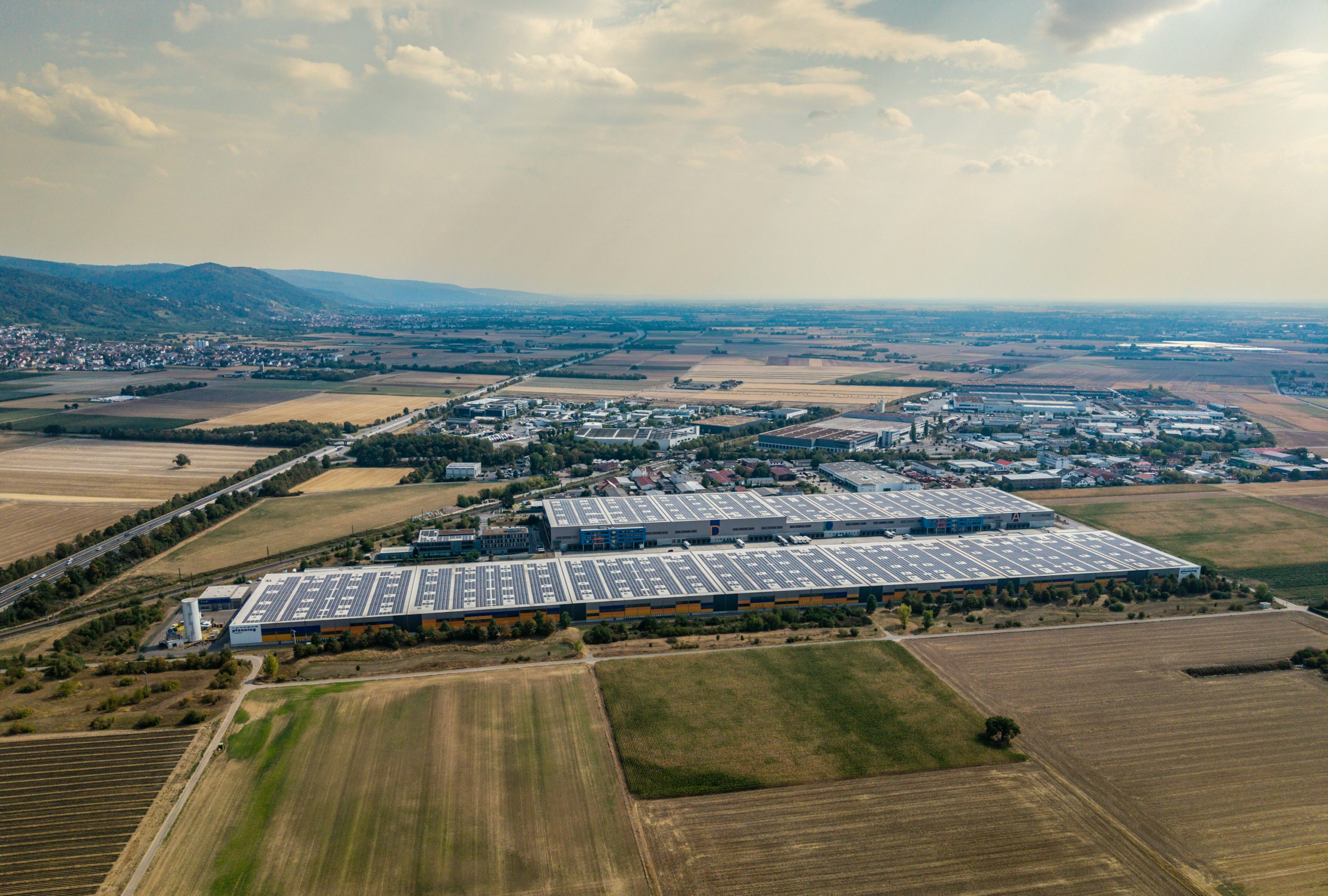
Rooftop systems must be designed around the characteristics of their host buildings. The available roof area, orientation, structural capacity, shading, and location of electrical services influence the number and arrangement of modules that can be installed.
Photovoltaic equipment adds dead load and, depending on its installation method, additional wind loading to the supporting structure. Structural assessments must therefore establish whether existing roofs can accommodate the proposed equipment and mounting arrangements before installation proceeds.
Projects on new buildings provide opportunities to coordinate photovoltaic design with the wider construction programme. Cable routes, mounting arrangements, access provisions, and electrical interfaces can be incorporated into the building design, reducing the need to adapt completed infrastructure.
Car-park canopies introduce different construction requirements. Supporting structures and foundations must accommodate the photovoltaic equipment and relevant environmental loads, while the installation programme must account for vehicle access, drainage, and the movement of people around occupied premises.
The electrical design also varies by site. Photovoltaic modules generate direct-current electricity that must be converted through suitable inverters before supply to conventional alternating-current networks or building electrical systems. The inverter specification must reflect array characteristics, the intended connection arrangement, and applicable protection requirements.
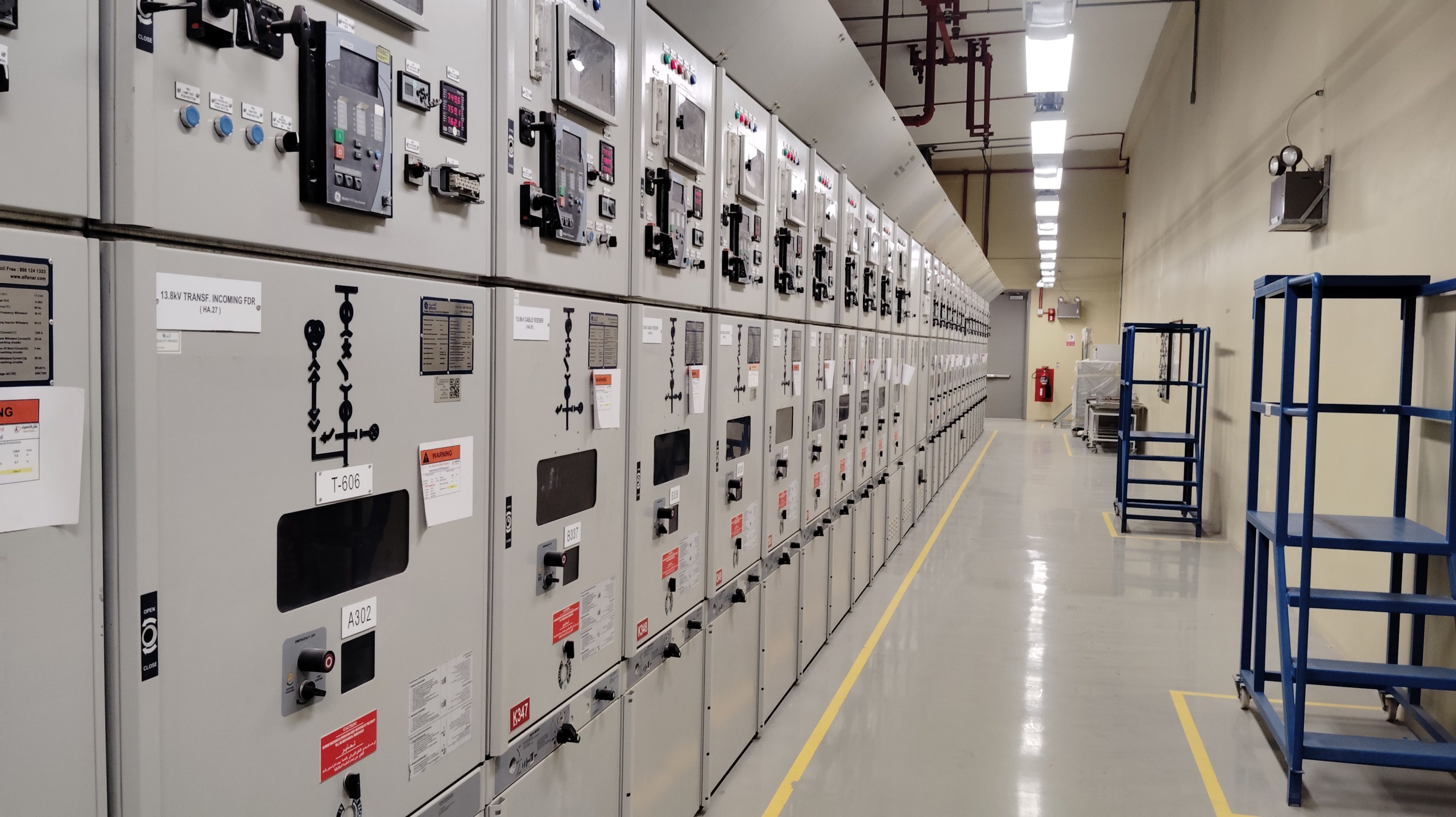
Where generation is connected to an existing commercial or industrial installation, engineers must assess the capacity of the associated distribution equipment. Transformer ratings, switchgear, conductors, fault levels, and protective devices can affect the maximum photovoltaic capacity that can be integrated without additional reinforcement.
Network connection requirements will depend on the location and size of each installation. A system designed principally to supply on-site consumption may require different operating and metering arrangements from one intended to export most of its electricity to the wider network.
The financing announcement does not identify which installations will principally serve on-site electricity demand or the proportions developed for export. The project designs and commercial arrangements will establish those details as the portfolio moves through construction.
The 63.4MWp figure represents the combined rated peak capacity of the photovoltaic modules under standard test conditions. It does not constitute a forecast of continuous generation or the amount of electricity expected to be produced each year.
Actual output will depend on irradiation, temperature, installation orientation, shading, equipment availability, and electrical losses. The aggregate annual generation of the financed portfolio cannot be determined from its nominal peak rating without additional site-specific performance assumptions.
The large number of installations will also require coordinated procurement. Photovoltaic modules, inverters, mounting systems, cables, switchgear, and protection equipment must be specified for individual sites while maintaining suitable quality and compliance arrangements across the wider programme.
Construction schedules may vary according to host-building access, local permissions, equipment availability, and the time required to complete electrical connections. Commissioning at each site will involve verifying the installed electrical system before generation can begin under its intended operating arrangements.
DIMÉO provides engineering, installation, monitoring, and maintenance services for photovoltaic systems, alongside other energy management activities. Although the group also works with battery storage, the new €53m transaction specifically identifies photovoltaic generation and does not establish any associated battery capacity for the financed projects.
Operating a distributed portfolio will introduce recurring inspection, maintenance, and performance monitoring requirements. Production data and equipment alarms can help identify deviations from expected operation, while electrical inspections and maintenance remain necessary to assess the physical condition of the installations.
The financing agreement establishes support for the 127 planned projects, but does not confirm that construction has begun at every location or that all required network connections have been secured. DIMÉO expects works to start towards the end of 2026, followed by phased construction and commissioning through 2028.