IN Brief:
- Statkraft and Sunvest have signed ten-year electricity offtake agreements for four Dutch solar parks with 82.3MW of combined capacity.
- Lievelde and Zuidbroek are operational, while Zwaagdijk and Zomereiken are scheduled to enter commercial operation in July 2027.
- A separate tolling arrangement gives Statkraft responsibility for optimising the operational 10MW/20MWh battery at Zuidbroek.
Statkraft has agreed to purchase electricity from four Dutch solar parks developed by Sunvest, alongside a separate arrangement to optimise battery storage at the Zuidbroek installation. The solar agreements cover approximately 82.3MW of generating capacity over a ten-year period, while the battery contract involves an operational 10MW/20MWh storage system.
The agreements form part of a new commercial partnership between the Norwegian electricity producer and Dutch renewable energy developer. They cover two operational solar parks, Lievelde and Zuidbroek, together with Zwaagdijk and Zomereiken, which are scheduled to enter commercial operation in July 2027.
Lievelde, near Lichtenvoorde, has a generating capacity of 11.4MW, while the operational Zuidbroek solar park contributes 49MW. The two planned projects comprise 7.6MW at Zwaagdijk and 14.3MW at Zomereiken. Their combined capacity brings the portfolio covered by the power purchase agreements to 82.3MW.
The ten-year power purchase agreements establish a commercial arrangement for electricity generated by the four installations. Their terms provide a framework through which Sunvest can sell production while Statkraft manages its contractual responsibilities as an electricity market participant. The companies have not disclosed the electricity prices or complete financial terms.
The agreements cover generation assets at different stages of development. Electricity from Lievelde and Zuidbroek is already being produced, while the two remaining projects must complete construction, electrical testing, and grid connection work before their contracted generation can begin.
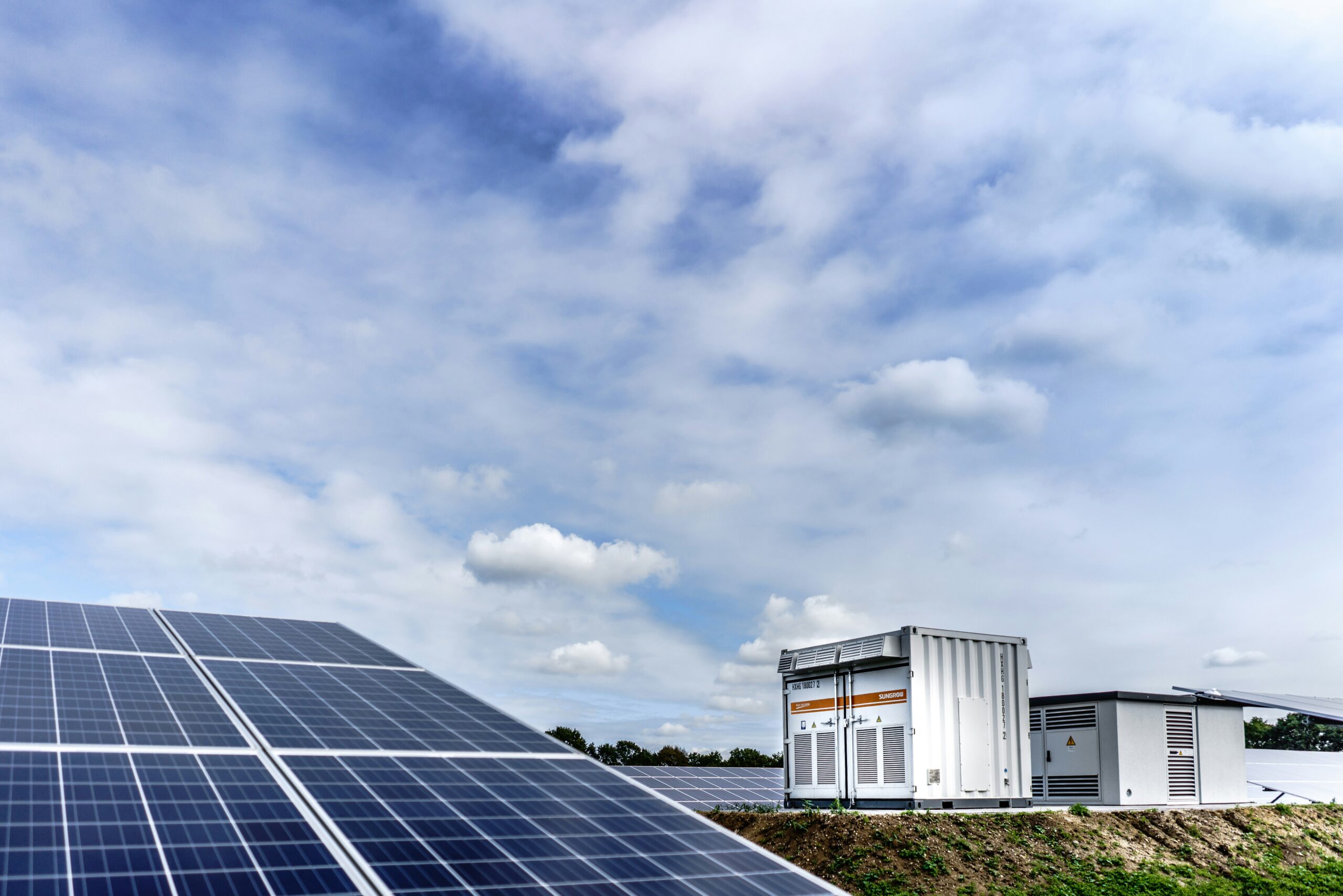
Statkraft has also started optimising the battery energy storage system at Zuidbroek through a tolling arrangement. The installation has a rated power of 10MW and an energy capacity of 20MWh, giving it a nominal two-hour discharge duration at full output before accounting for operating limits and losses.
The battery agreement is commercially distinct from the ten-year solar offtake contracts. The companies have not disclosed the length of the tolling arrangement or its detailed dispatch and revenue-sharing provisions, so the solar contract duration should not be applied to the battery by assumption.
Under a battery tolling structure, a commercial counterparty obtains defined rights to use or schedule the asset within an agreed operating framework. Dispatch decisions can then reflect electricity market conditions, available stored energy, and the technical restrictions established for the installation.
Those decisions must account for both the power rating and energy capacity of the battery. The 10MW rating determines the maximum stated charging or discharging power, while the 20MWh figure represents stored energy capacity. Actual operation is governed by usable state of charge, power conversion limits, thermal conditions, and the battery management system.
When electricity prices are low, charging may create an opportunity to discharge during a later period of higher value. However, the commercial outcome must account for conversion losses, battery cycling requirements, network charges, and any restrictions imposed by the connection agreement or contractual arrangements.
Solar generation introduces additional operating characteristics. Photovoltaic output changes throughout the day and with weather conditions, creating periods when production may be concentrated around the same hours at numerous installations. Storage can move some energy between periods where the electrical configuration and commercial arrangements permit it.
The Zuidbroek battery is located alongside the solar installation, but the companies have not specified that every charging cycle uses electricity generated by the solar farm. Its actual charging sources and dispatch options depend on the connection design, metering arrangements, and operating conditions of the site.
Colocation can create opportunities to coordinate generation and storage behind shared infrastructure. Where the equipment uses a common grid connection, its operating controls must respect the maximum import and export ratings and prevent the combined assets from exceeding the electrical limits of the installation.
Power conversion equipment is central to that coordination. Photovoltaic arrays produce direct-current electricity, while batteries charge and discharge through controlled electrical interfaces. Inverters and associated systems manage power exchange with the alternating-current network and must satisfy the protection and control requirements applicable to their connection.
The commercial optimiser also needs reliable information about operating conditions. Battery state of charge, available power, electricity prices, generation forecasts, and equipment availability influence dispatch decisions. Changes in one parameter can alter the value or feasibility of a planned charging or discharging period.
The separation between ownership, physical operation, and commercial optimisation is particularly important for storage. A trading company can determine how an asset participates in electricity markets under a tolling agreement, while the equipment must continue to operate within the technical limits and maintenance requirements of its owner and operator.
Sunvest's wider development activities include nature-inclusive solar parks and projects incorporating agricultural land uses alongside electricity generation. It is developing solar and storage assets in several European markets, with the Dutch portfolio forming part of its expansion programme.
Statkraft already operates across European electricity markets, providing generation, trading, and commercial services. The Sunvest agreement extends its market integration activities in the Netherlands through a combination of renewable electricity offtake and battery optimisation.
The companies have not published expected annual generation figures for the contracted portfolio or projected trading revenues from the Zuidbroek battery. The contribution of each solar park will depend on its operational performance, while storage revenues will reflect market conditions and the dispatch available within the tolling arrangement.
Optimisation of the existing Zuidbroek battery has begun, making it the immediate operational element of the new storage partnership. The next development milestones concern Zwaagdijk and Zomereiken, which are expected to add a further 21.9MW of solar generating capacity when they enter commercial operation in July 2027.