IN Brief:
- TenneT's final horizontal directional drilling operation is progressing on the underground route between Amaliahaven and the IJmuiden Ver Beta converter station.
- The infrastructure serves IJmuiden Ver Beta, IJmuiden Ver Gamma and Nederwiek 2, each designed to carry up to 2GW of offshore generation.
- Remaining onshore cable installation is expected in early 2027, with contractor NRG targeting completion of its Maasvlakte works around mid-2027.
TenneT is advancing the final phase of underground electricity cable installation at Rotterdam's Maasvlakte, where three offshore wind transmission connections will provide a combined capacity of up to 6GW. The remaining works include horizontal directional drilling, cable pulling and underground jointing between the incoming cable routes, converter stations and the Dutch high-voltage network.
The latest activity centres on the final directional drilling operation near the Coloradoviaduct on the N15, along the route between the Amaliahaven high-voltage substation and the converter station for IJmuiden Ver Beta. The drilling will complete the underground duct infrastructure needed for the outstanding cables to be installed without excavating a continuous trench along the full route.
Contractor NRG is preparing to pull the final cable sections through the installed ducts during the early months of 2027. At Amaliahaven and the Beta converter station, construction teams are undertaking preparatory work for cable installation, while sections elsewhere along the route have progressed to jointing and termination.
Individual cable lengths are being connected in purpose-built underground joint bays to establish continuous electrical circuits. The cables are also being brought into the associated stations, where they must be integrated with the electrical equipment and the infrastructure required for subsequent testing and operation.
NRG expects the remaining underground cable installation to be completed in early 2027. Temporary work areas will then be cleared and the affected ground reinstated, with the contractor's wider Maasvlakte construction works expected to finish around the middle of the year. Neither milestone constitutes commissioning of the complete offshore transmission systems.
The infrastructure will serve IJmuiden Ver Beta, IJmuiden Ver Gamma and Nederwiek 2, three offshore grid connections being developed for future North Sea wind generation. Each connection is designed to carry up to 2GW, allowing a combined transmission capacity of 6GW once the respective projects enter operation.
Electricity from the offshore wind farms will reach Maasvlakte as direct current before passing through converter stations that transform it into alternating current. The electricity will then enter the Dutch high-voltage transmission network through the Amaliahaven substation, serving both inland demand and new electrical connections in the Rotterdam port area.
High-voltage DC transmission is used for long offshore cable connections because it avoids the substantial capacitive charging currents associated with alternating-current submarine cables. These currents increase with cable length and can reduce the useful power transfer capability of an AC connection, while requiring additional reactive power compensation.
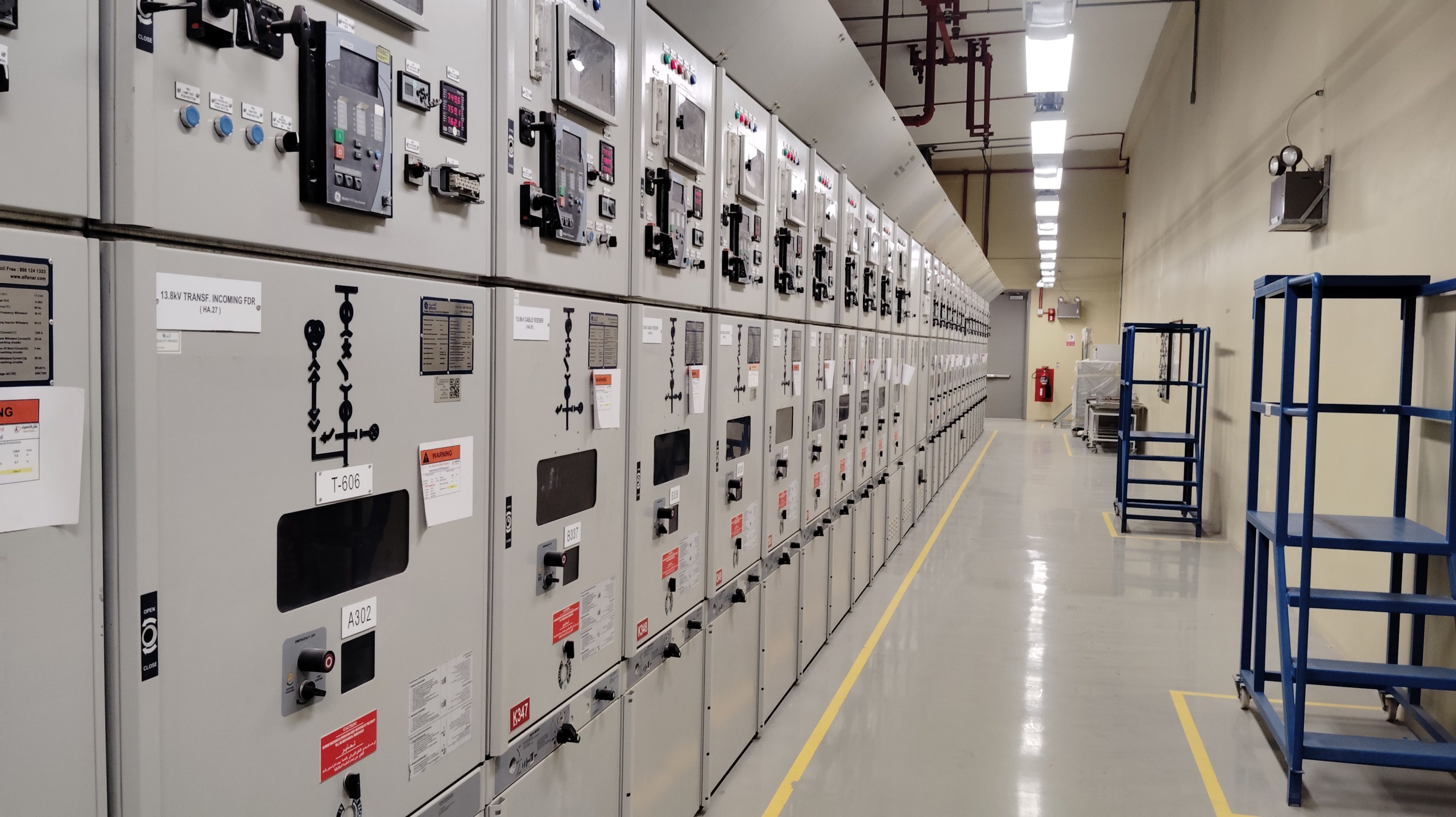
DC transmission has different engineering requirements. Converter stations are necessary at the ends of the connection, incorporating power electronic equipment, transformers, switching systems, protection and controls. Their construction and testing must be coordinated with the cable infrastructure and the high-voltage AC network to which they connect.
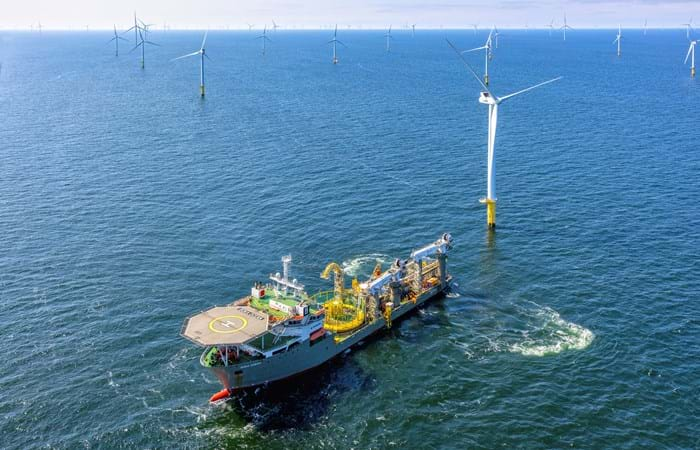
The Maasvlakte programme therefore comprises more than the burial of electricity cables. Offshore connections require equipment at sea, export cables across the seabed, transition arrangements at landfall, underground onshore circuits, converter facilities and the final interface with the transmission grid.
Each section must be engineered for its operating voltage, power transfer requirements and installation conditions. Onshore cable routes introduce particular constraints where existing roads, port infrastructure and other buried services cross the planned transmission corridor.
Horizontal directional drilling allows contractors to install ducts beneath obstacles while limiting surface disturbance along the crossing. Once a bore has been completed, the protective ducts provide a route through which the electrical cables can be installed. The cable pulling operation must be controlled to remain within the permitted mechanical loads and bending limits of the cable system.
The underground joint bays are another important part of the installation. Cable sections must be joined under controlled conditions, with the insulation and electrical field distribution maintained across the connection. Joint installation quality is especially important for high-voltage equipment because a defect may not become apparent until the circuit is subjected to its operating electrical stresses.
After installation, the circuits will require inspection and testing before they can be energised. Cable terminations, joints, protective equipment and the associated electrical interfaces must meet the relevant commissioning requirements. Completion of civil works and cable positioning is consequently only one stage in preparing a transmission connection for operation.
Work at the Amaliahaven substation and the nearby converter facilities has been progressing alongside the underground installation programme. TenneT previously reported the arrival of major transformers for IJmuiden Ver Beta and further installation activity at the new 380kV substation.
The resulting electrical infrastructure is being developed within one of the Netherlands' principal industrial and logistics areas. Rotterdam's port contains substantial electricity users, transport infrastructure and existing energy installations, requiring the construction programme to be coordinated with ongoing port operations and neighbouring projects.
The completed connections will also provide capacity for future electricity demand in the port area. Their eventual contribution depends on the commissioning of the offshore wind projects and the wider transmission infrastructure, as well as the development of local connections capable of using the additional power.
TenneT's wider offshore programme uses higher-capacity connections intended to transfer large quantities of renewable generation from the North Sea. Standardising elements of the electrical infrastructure can support procurement and engineering across several projects, although site conditions and installation programmes continue to differ between individual routes.
The three Maasvlakte connections remain separate transmission projects with their own offshore construction and commissioning schedules. Finishing the shared onshore cable works will establish an important part of the physical infrastructure, but the projects cannot deliver electricity until the remaining offshore and onshore systems have been integrated and tested.
The immediate construction sequence will move from the final directional drilling operation to cable pulling, jointing and termination. NRG's planned completion of its Maasvlakte works around mid-2027 will mark the conclusion of this onshore installation programme, while TenneT continues developing the equipment required to bring the three 2GW connections into operation.