IN Brief:
- Eku Energy has commissioned the 250MW/500MWh Williamsdale battery, the largest storage installation in the Australian Capital Territory.
- The system incorporates 136 Tesla Megapack units, with Consolidated Power Projects delivering the balance-of-plant works.
- The two-hour installation will support electricity trading and network flexibility, with Eku Energy continuing as owner and operator.
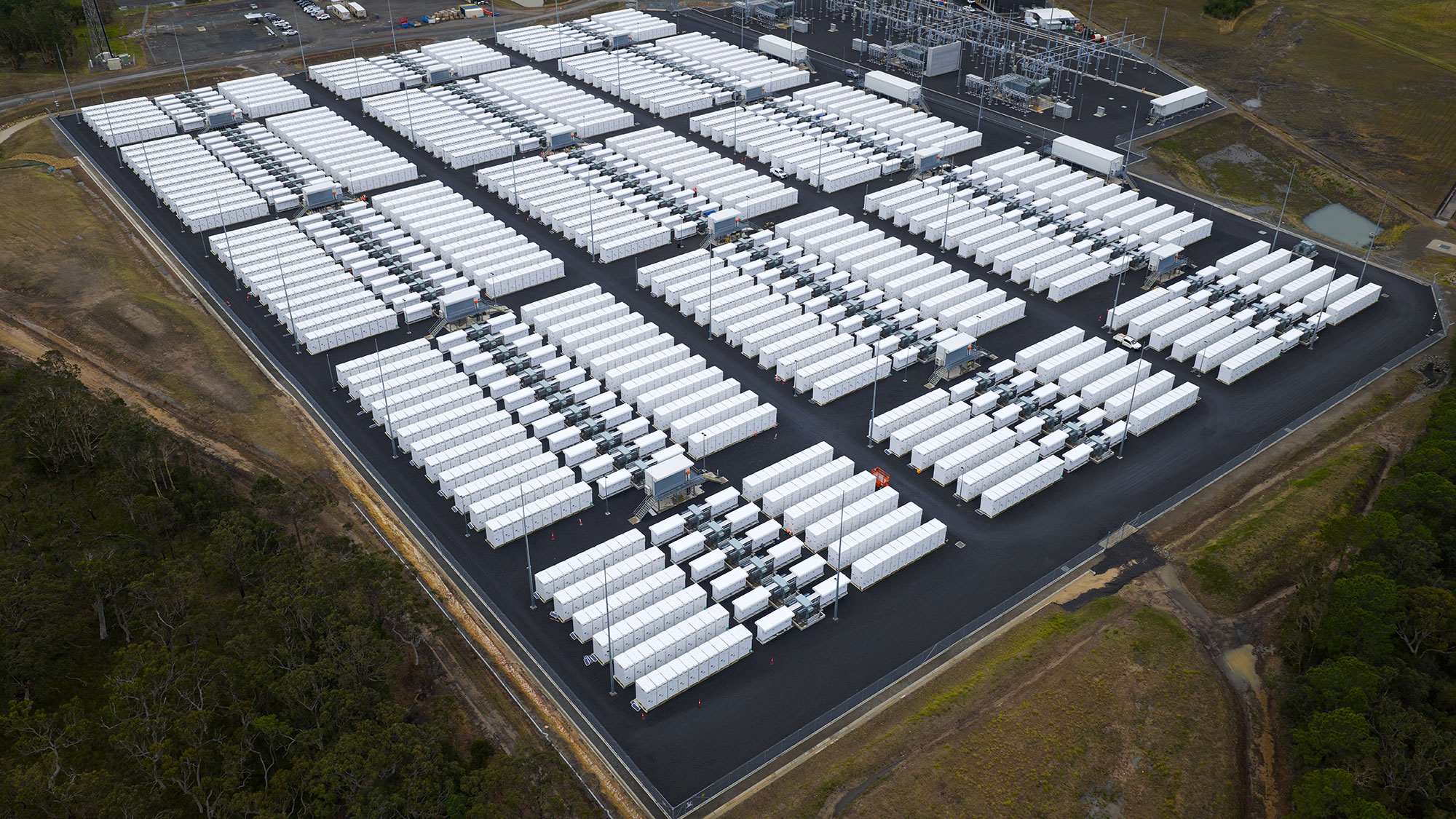
Eku Energy has commissioned the Williamsdale battery energy storage system in the Australian Capital Territory, bringing a 250MW/500MWh installation into commercial operation south of Canberra as the principal utility-scale component of the government’s Big Canberra Battery programme.
The installation was formally commissioned on 5 November, with representatives of the ACT Government, Eku Energy and project delivery organisations attending the completed facility. It is the largest operating battery energy storage installation in the territory and is intended to support electricity network flexibility across the ACT and neighbouring New South Wales.
Williamsdale uses Tesla Megapack 2 XL technology and comprises 136 battery units arranged across 12 electrical collector groups. The ACT Government has also confirmed that the facility includes multiple step-up transformers and a main transformer weighing more than 180 tonnes.
Consolidated Power Projects delivered the balance-of-plant works, while Evoenergy acted as the electricity distribution network service provider. The Australian Energy Market Operator, known as AEMO, supported the grid connection approval process, which was necessary before the completed storage installation could enter commercial service.
The distinction between the facility’s power and energy ratings determines its operating capability. A maximum output of 250MW combined with 500MWh of stored energy corresponds to a nominal two-hour discharge duration at rated power.
Actual operating duration depends on the selected power output, available state of charge, conversion losses and equipment operating limits. The battery may provide electricity for longer at a lower discharge rate, but its energy capacity limits the total amount that can be delivered before recharging is required.
The ACT Government estimates that the stored energy could meet the equivalent of approximately one-third of Canberra’s electricity demand for two hours during peak periods. That comparison illustrates the scale of the installation, although the battery operates through the wider electricity network rather than supplying a dedicated group of consumers.
Battery modules store energy as direct current. Power conversion equipment is required to exchange electricity with the alternating-current network, while transformers establish the appropriate voltage at the interface between the battery collection system and the surrounding electrical infrastructure.
At Williamsdale, multiple Megapack units operate as part of a coordinated generating and charging installation. Plant-level control systems must manage the combined electrical output while maintaining the individual battery modules within their permitted operating conditions.
The system can absorb electricity from the network during charging and return it during discharge. This allows electrical energy to be transferred between different periods, potentially reducing the need for generation and consumption to occur at precisely the same time.
The practical operating schedule will be determined by electricity market conditions, available stored energy, equipment status and the network requirements affecting the connection. A battery does not create additional primary energy, and the electricity returned to the network is lower than the electricity used for charging because the conversion and storage processes involve losses.
Williamsdale can respond rapidly to changing electrical conditions. The ACT Government reports that the system is capable of responding within milliseconds, reflecting the characteristics of inverter-based equipment that can adjust its output electronically.
Such response capability can support certain electricity system services, provided the battery has sufficient energy available and meets the relevant technical and market requirements. The particular services delivered at any moment depend on its registered capabilities, dispatch instructions and operating configuration.
Rapid response does not remove the energy limitation. A battery can increase output quickly, but sustained discharge reduces the charge remaining for later operations. The operator must therefore manage the balance between electricity trading, system support and the availability of stored energy.
Battery management equipment monitors operating parameters such as cell voltage, temperature and state of charge. These measurements help prevent operation beyond the permitted limits of individual units and allow the broader plant control system to coordinate charging, discharging and equipment availability.
Protection systems must also respond appropriately to faults affecting the battery installation or its connection. The equipment must operate within approved import and export limits while maintaining suitable voltage and power quality at the point where electricity is transferred to and from the network.
The electrical interface is particularly important for a facility of this scale. A 250MW change in power output can influence flows through the surrounding network, requiring the battery’s control systems to operate in coordination with connection requirements and the wider electricity market.
Commissioning therefore involves more than demonstrating that individual batteries can charge and discharge. The complete installation must be assessed as an integrated electrical asset, including its inverters, transformers, protection arrangements, controls and network connection.
Williamsdale was developed through a partnership between Eku Energy and the ACT Government. Eku Energy owns and operates the facility, while the government participates through a long-term commercial arrangement intended to support the installation’s contribution to the electricity system.
Under the agreement reported at commissioning, the ACT Government will make support payments totalling approximately AU$368m over 15 years and receive 50% of the battery’s net revenue. The financial outcome will depend on the revenue generated by the operating facility rather than its installed capacity alone.
Eku Energy has acknowledged that operation of the battery does not guarantee lower household electricity prices. The facility can participate in electricity markets and provide additional flexibility, but the resulting price effects depend on wider generation, demand and market conditions.
The Williamsdale installation forms the largest part of the Big Canberra Battery programme, which also includes smaller batteries at other locations across the territory. Neighbourhood installations are operating in Dickson, Casey and Fadden, providing separate distributed storage capabilities.
Those smaller installations are not included in Williamsdale’s 250MW/500MWh rating. The distinction is necessary when comparing the capacity of the completed utility-scale battery with the broader storage programme developed by the ACT Government.
The Williamsdale construction programme supported approximately 150 jobs at its peak. Eku Energy has also provided AU$1m in community benefits funding, including support for energy research and local organisations associated with the project.
With commercial operation established, the facility’s performance will now be measured through electricity trading, network response and equipment availability. Its two-hour nominal duration determines how long it can sustain maximum output, while actual operating schedules will reflect the balance between stored energy, electricity prices and the technical requirements of the connected power system.