IN Brief:
- Lightsource bp has agreed two long-term virtual power purchase contracts with Haleon linked to solar projects in Valladolid.
- The financial arrangements reference Valle 3 and Sinfonía, but the announcement does not specify contracted volumes or prices.
- Physical electricity still enters the Spanish power system; Haleon is using the arrangement for EU supply-chain procurement and emissions accounting.
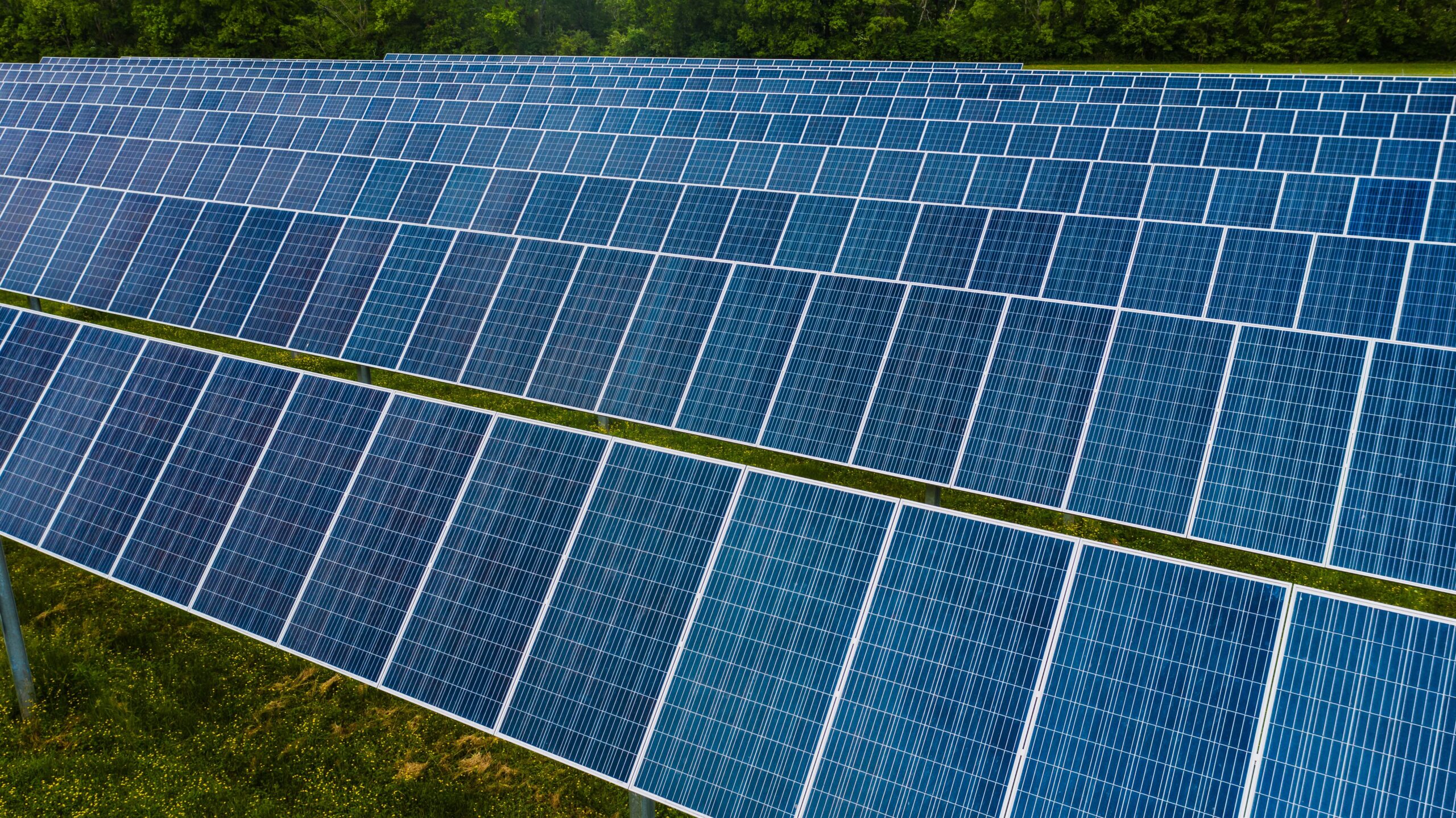
Lightsource bp has signed two long-term virtual power purchase agreements with consumer health company Haleon, linked to the Valle 3 and Sinfonía photovoltaic developments in Valladolid, Spain. The contracts are designed to support renewable electricity procurement associated with Haleon’s European supply chain. Their financial structure does not require electricity generated at the Spanish sites to be delivered physically to Haleon factories or suppliers.
The contracted generating assets are named as Valle 3 and Sinfonía in Valladolid province, although the company’s broader local portfolios contain other plants. Valle 3 sits within the Valle 3 and 4 development near Wamba; Lightsource bp separately lists Sinfonía I among three plants in its Olmedo portfolio. Its November announcement does not assign an individual contracted capacity to either project or state that Haleon’s agreements cover an entire multi-plant portfolio.
A virtual power purchase agreement normally separates the physical electricity sale from a financial arrangement between producer and corporate buyer. The solar project exports to its connected power market, while the parties settle payments under their commercial contract. The announcement establishes that these agreements do not require delivery of the Spanish electricity to Haleon or its suppliers; it does not disclose the specific settlement formula or the arrangement for electricity supply at those sites.
Neither the contracted output nor a strike price, settlement profile or precise contract term has been published. The company describes the agreements as long-term and says they include mechanisms intended to provide greater market certainty, but those general descriptions do not establish a fixed retail electricity price for Haleon’s suppliers. An annual volume cannot be calculated simply by taking the nameplate capacity of the projects named in the deal.
Haleon says the contracts form part of its work on electricity-related emissions in its European supply chain, where independent suppliers’ electricity consumption sits outside Haleon’s own direct operations. The commercial arrangement is intended to support renewable generation and the company’s value-chain strategy. The amount and accounting treatment of any resulting emissions benefit would depend on the contracts, energy attributes, relevant reporting rules and actual electricity use.
The release does not specify how guarantees of origin or other renewable electricity attributes will be allocated and retired. That omission prevents a confident statement about which entities can claim a particular unit of renewable generation for reporting purposes. A virtual settlement is not evidence that electricity has physically been routed to a supplier, and it should not be presented as guaranteeing hourly matching of Haleon’s supply-chain demand.
The Valle 3 project sits within a development in Wamba comprising Valle 3 and Valle 4, which Lightsource bp has described as having 330MWp of combined photovoltaic capacity. Its construction programme began in 2025 and includes the electrical systems required to collect power from the module arrays and deliver it towards the network. The development is separate from Sinfonía, so the 330MWp figure must not be applied to the pair of Haleon-backed projects.
Lightsource bp’s Olmedo portfolio comprises Adaja I, Sinfonía I and El Caballero, which it lists at 155MWp in total. The three projects are located across several Valladolid municipalities and were previously expected to begin operating from 2027. The latest agreement identifies Sinfonía, without supplying a project-specific commissioning update or confirming that all 155MWp forms part of Haleon’s offtake arrangements.
The underlying photovoltaic technology feeds direct-current output from solar modules through conversion and collection equipment, before electricity can be exported under the project’s grid connection arrangements. The value of an annual VPPA depends on energy production and market prices over time, not on nameplate DC capacity alone. Production varies by season, weather and plant availability, while the financial settlement terms determine how the contracted parties share price risk.
Commercial risk under a VPPA depends on electricity prices during the relevant settlement periods and the volume of generation actually covered. The two parties say they have included mechanisms intended to manage uncertainty, but have not made the risk allocation public. For the solar projects, the commercial agreement sits alongside construction, permitting, grid connection and eventual commissioning — physical milestones which are not advanced merely by signing the offtake contracts.
The developer has continued construction and development activity across Spain, and its Valladolid schemes illustrate how several solar projects can support separate types of corporate offtake. Contract signing is one milestone in the commercial development of a generating plant; physical delivery depends on the photovoltaic and network assets reaching their required operational stages.
Both VPPAs have been signed, while their financial value, total contracted generation, certificate arrangements and settlement start dates remain undisclosed. Valle 3 and the Olmedo projects continue on their separate development timetables. Future reporting will depend on the electricity delivered to the grid, how financial and environmental attributes are accounted for, and whether the facilities achieve their planned commissioning milestones.