IN Brief:
- Endesa and Masdar are developing batteries at Ardila in Badajoz and La Vega I and II in Málaga.
- The three projects combine 60.16MW of power and 120.34MWh of lithium iron phosphate storage.
- Investment totals €25.2m, with grid-forming testing planned and commissioning expected in late 2027.
Endesa has begun construction of three battery energy storage projects alongside existing solar plants in southern Spain, with combined capacity of 60.16MW and 120.34MWh. The €25.2m programme covers Ardila in Badajoz and La Vega I and II in Málaga. All three are planned to use lithium iron phosphate batteries and grid-forming inverters, with commercial operation expected by the end of 2027.
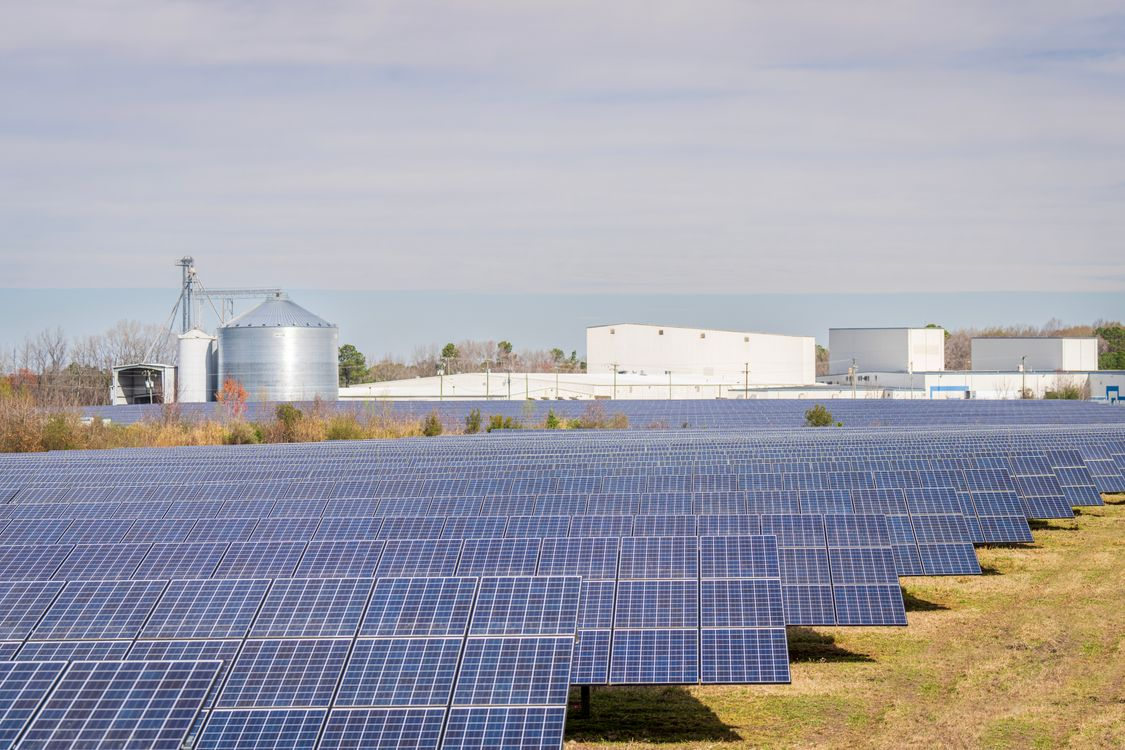
The projects are being delivered through Endesa’s partnership with Masdar, which acquired a 49% interest in a portfolio of Spanish photovoltaic assets in 2024. Storage is being added to existing generating sites, rather than replacing the solar installations or increasing their photovoltaic nameplate ratings. The new battery equipment is intended to shift some solar output between time periods and to test a different mode of inverter control at the grid interface.
Ardila is the largest individual battery project. Located at Endesa’s 44MWp solar plant in Fregenal de la Sierra, it will have a rated discharge power of 36.10MW and energy capacity of 72.20MWh. The scheme is being developed through Furatena Solar 1 and will use twelve containerised battery units, each described as having around 6.02MWh of storage capacity.
The Ardila investment is €14.3m, including €4.6m of public financing under Spain’s programme for innovative storage hybridised with renewable generation. Construction has started, with activity expected to extend into the first quarter of 2027. Endesa is targeting synchronisation and entry into service towards the end of that year, rather than claiming the batteries are already supplying power.
The other two systems will be installed at La Vega I and La Vega II in Teba, Málaga, where the existing solar plants have been operating since 2020. Each battery project is rated at approximately 12.03MW/24.07MWh. Endesa has specified four battery containers with about 6.017MWh each and four inverters per installation, creating two separate projects with a combined energy capacity of 48.14MWh.
The La Vega developments will be delivered through Enel Green Power España Solar 1 and Baylio Solar. Their combined investment is €10.9m, of which €4.4m comes from public support co-financed through the European Regional Development Fund and administered by Spain’s energy agency IDAE. Work began in October 2026, and Endesa expects both installations to enter operation in late 2027.
The combined energy rating corresponds to approximately two hours of discharge at the batteries’ aggregate rated power. That is a nominal ratio of MWh to MW, not a guarantee of two hours of unrestricted supply: usable energy, conversion losses, state of charge, network restrictions and battery management settings can reduce the duration available at a particular output. Hybrid operation also requires coordinating battery charging with solar production and any limits on the existing grid connection.
Grid-forming inverters are designed to establish an AC voltage reference and regulate their output in response to system conditions. Conventional grid-following converters generally synchronise to an existing network waveform, so the control approach is different from that of a device able to contribute its own voltage reference. The potential operational services include rapid response during disturbances and support for network stability, but the capabilities at Ardila and La Vega remain subject to plant tests, control settings and applicable grid requirements.
Endesa describes the intended grid-forming response in terms that include synthetic inertia. The response comes from power-electronic controls and energy stored in the batteries, not the mechanical inertia of a rotating turbine generator. Its magnitude and duration depend on the inverter rating, stored energy and the selected control strategy. The construction announcement does not demonstrate that the three sites are already providing synthetic inertia or other grid-forming services on Spain’s live network.
Research and validation work is planned with the Instituto de Investigación Tecnológica at Comillas Pontifical University and, at La Vega, the CIRCE research centre. Their role includes studies and tests of equipment operating in grid-forming mode, creating an opportunity to observe control performance during commissioning rather than relying solely on manufacturer specifications.
The programme also links technology testing to investment in local construction and European supply chains. Endesa has indicated a peak workforce of around 25 people at Ardila and a similar peak across the two La Vega projects. The engineering work includes integrating battery containers, power conversion equipment, protection, communications and control systems with solar installations that are already operating.
Endesa has begun construction, but the batteries have not yet been commissioned or synchronised for commercial service. Installation of battery containers and inverters will be followed by protection and control integration, system testing and the planned grid-forming validation. The company expects the three systems to enter operation in late 2027, with the research programme providing evidence of performance under the conditions tested.