IN Brief:
- SmartestEnergy has signed a CfD power purchase agreement covering the 57MW Whitelaw Brae wind farm in the Scottish Borders.
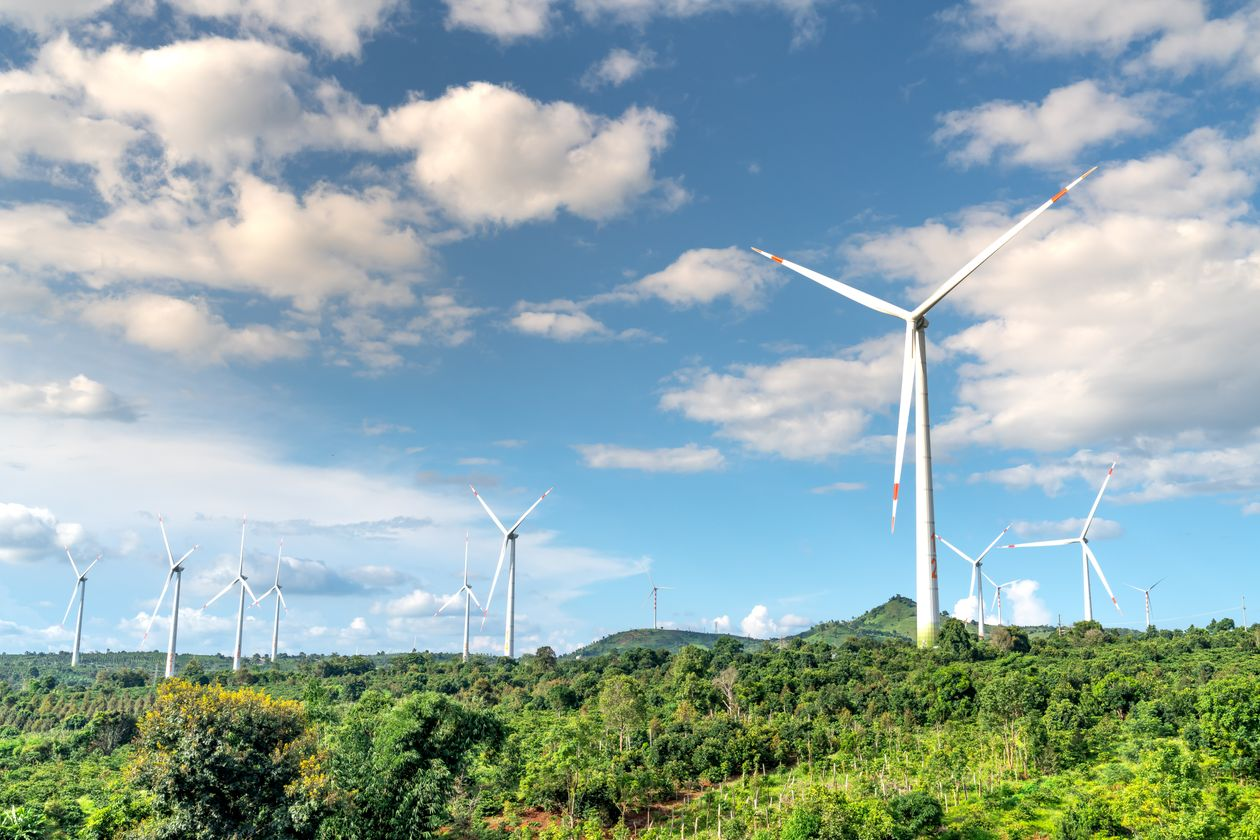
- The project comprises 14 turbines, with estimated annual generation of up to 149,400MWh once operational.
- Energisation is planned to begin before the end of 2026, making Whitelaw Brae Thrive Renewables' first transmission-connected asset.
SmartestEnergy has signed a power purchase agreement with Thrive Renewables for the 57MW Whitelaw Brae wind farm in the Scottish Borders, establishing electricity offtake arrangements as the development approaches its first energisation.
The agreement covers a 14-turbine project near Tweedsmuir, owned by Fair Play Clean Energy Limited, a joint venture between Thrive Renewables and TopCashback Group. Whitelaw Brae secured a Contract for Difference (CfD) through Allocation Round 7 and is currently progressing through the final phase of construction.
SmartestEnergy confirmed the contract on 3 November, extending an established commercial relationship with Thrive Renewables. The agreement is described as a CfD power purchase agreement and will provide a route to market for electricity generated by the wind farm once its electrical infrastructure and turbines have been commissioned.
The project represents Thrive’s largest onshore wind development to date and its first asset connected directly to the transmission network. Its scale and connection arrangements introduce commercial and operational requirements associated with exporting electricity into the wider transmission system.
Whitelaw Brae is expected to produce up to 149,400MWh annually once fully operational. Against its installed rating of 57MW, that forecast is equivalent to an annual capacity factor of approximately 30%, although actual production will depend on wind conditions, turbine availability, electrical losses, and any operational restrictions.
The anticipated output is equivalent to the annual electricity consumption of approximately 45,000 average UK homes, using domestic consumption statistics referenced by the project partners. This comparison expresses the scale of the forecast generation rather than identifying particular customers who will receive electricity from the development.
The wind farm’s 14 turbines convert wind energy into mechanical rotation, which is then used to produce electrical output through the generating equipment. Turbine controls manage rotor operation and electrical conversion as wind speed and other operating conditions change.
Electricity from individual turbines is collected through the site’s internal electrical network and delivered towards the transmission connection. The associated equipment includes collection circuits, switching and protection arrangements, and the transformers required to interface generating equipment with the relevant network voltage.
Each stage of that electrical system must operate within its specified ratings. Protection and control equipment must coordinate the response to faults and abnormal operating conditions, while the completed connection must satisfy the technical requirements established for the generating facility.
Construction of the turbine foundations, access tracks, and electrical infrastructure has progressed during 2026. Major components delivered to the site included tower sections, nacelles, drivetrains, hubs, and blades, with installation activities following the completion of the supporting civil engineering works.
As construction reaches its final phase, the project must move through electrical testing and commissioning before routine generation begins. The process involves checking connections, controls, protection systems, and turbine operation so that the wind farm can be energised and operated within the limits of its network agreement.
The transmission connection also affects the management of electricity sales. Generated power must be measured and accounted for through the applicable market arrangements, while forecasts of expected wind output inform the commercial positions associated with the project.
Forecasting is particularly important for variable renewable generation because electricity output changes with weather conditions. Differences between expected and actual production can create balancing exposure, depending on the contractual arrangements between the generator and the company purchasing its electricity.
A power purchase agreement establishes the commercial terms under which generated electricity is sold. SmartestEnergy’s experience managing transmission-connected assets formed part of Thrive’s selection process, with the company’s route-to-market services intended to support the new project’s commercial operation.
The agreement operates alongside Whitelaw Brae’s separate CfD support contract. Under the CfD framework, eligible generators receive or make difference payments determined by the relationship between the applicable strike price and reference price, while physical electricity is sold through commercial market arrangements.
That separation allows an eligible project to participate in electricity markets while receiving the price-stabilisation mechanism established by its CfD. The precise allocation of forecasting, balancing, and other trading responsibilities under the SmartestEnergy agreement has not been disclosed.
Thrive Renewables has developed the project as part of its objective to double the generating capacity of its portfolio by 2028. The company has invested in renewable electricity assets over several decades, with Whitelaw Brae extending its portfolio into larger transmission-connected generation.
The ownership arrangement also includes a community investment element. Thrive has committed to offering local people an opportunity to purchase a stake in the development, alongside an annual community benefit fund of £285,000.
Environmental works associated with the project include native tree planting and the development of footpaths intended to connect with the River Tweed Trail. These commitments form part of the wider development arrangements at the site rather than the electricity offtake contract itself.
Whitelaw Brae is expected to operate for at least 30 years once commissioned. Maintaining its generating output over that period will require ongoing inspection and maintenance of the turbines, electrical infrastructure, controls, and transmission connection equipment.
The final construction programme is now approaching the point at which the wind farm can begin energisation, planned before the end of 2026. Completion of testing and commissioning will determine when commercial electricity production begins under the new offtake arrangements.