IN Brief:
- Türkiye allocated 785MW of solar connection capacity across 11 projects in nine provinces.
- Nineteen companies submitted 44 applications, with winners committing €31.585 million in contribution payments before VAT.
- Successful generators can sell electricity on the market for 60 months, followed by a 20-year purchase arrangement at 3.25 euro cents/kWh.
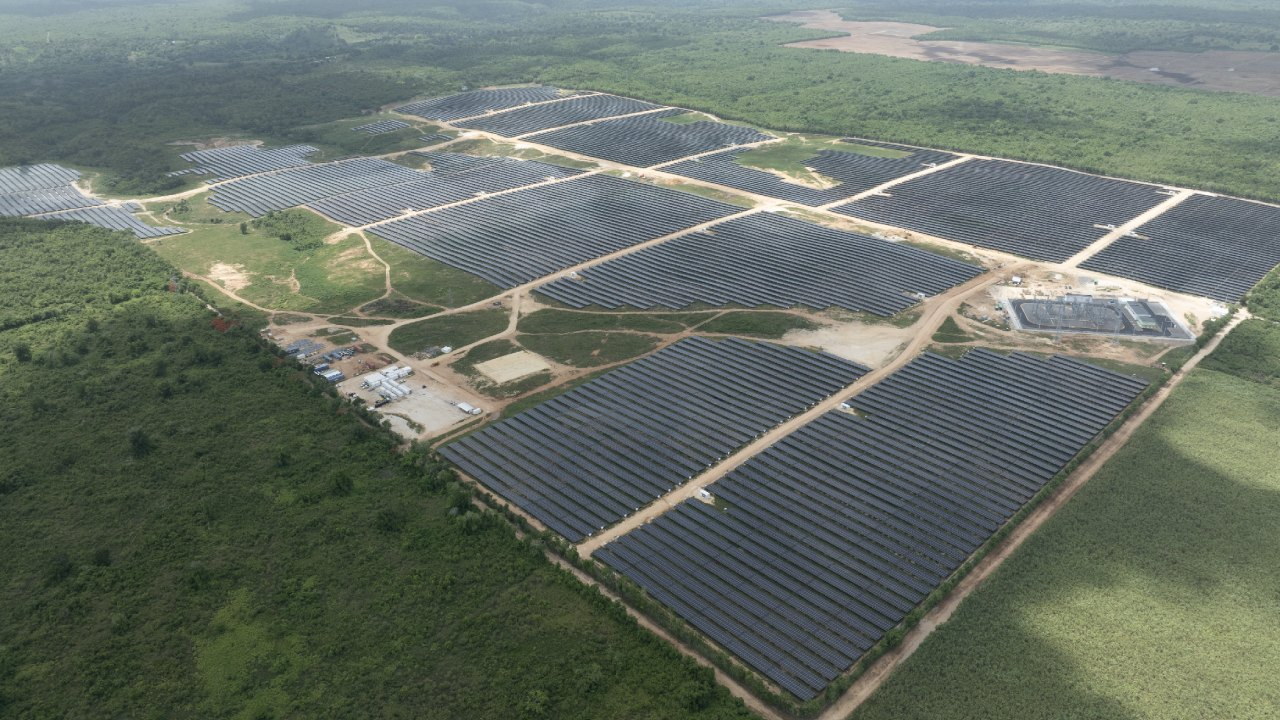
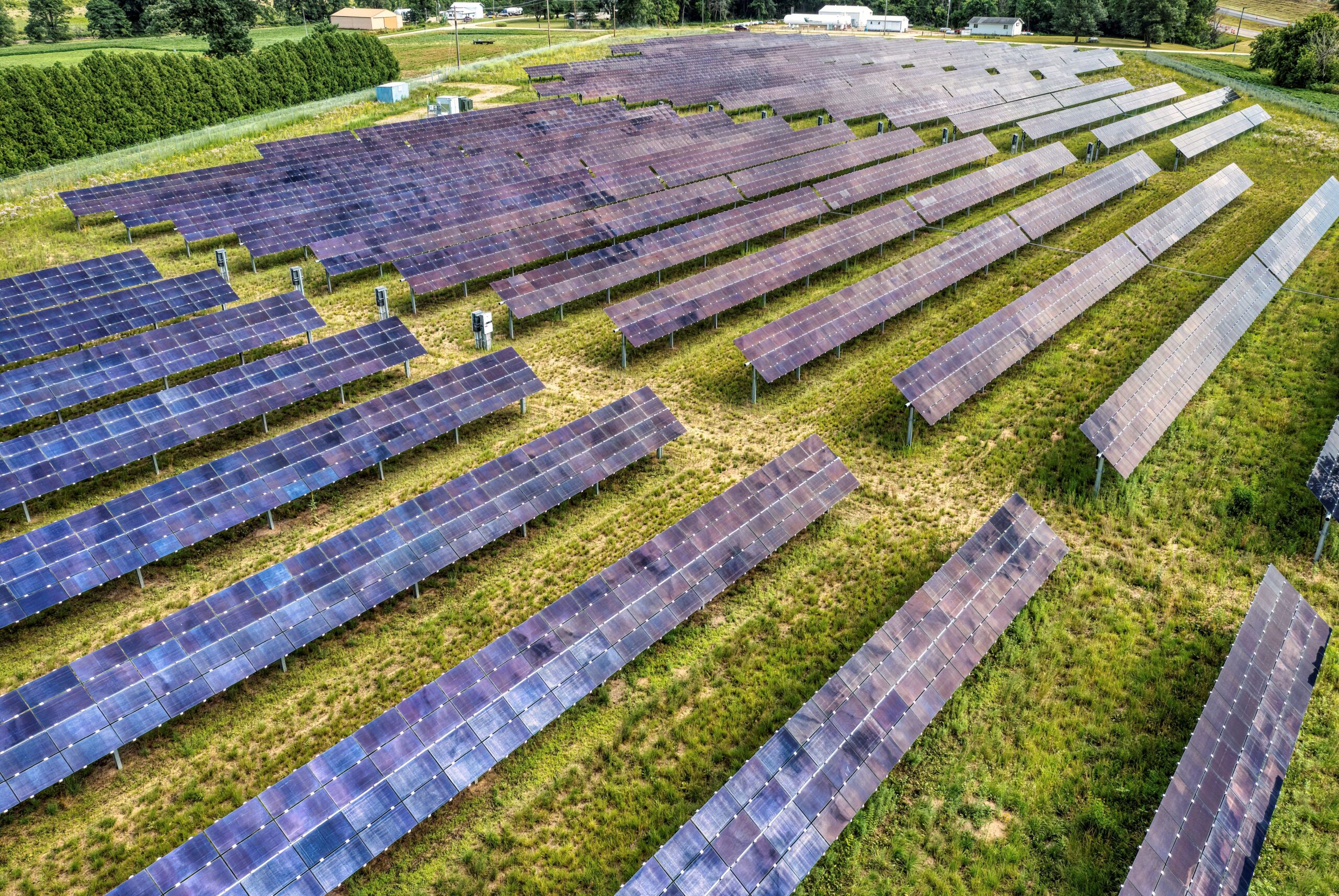
Türkiye’s Ministry of Energy and Natural Resources has allocated 785MW of solar electricity grid connection capacity across 11 project zones following competitive auctions held on 3 November under the YEKA GES-2026 programme.
The allocations cover nine provinces: Denizli, Ankara, Konya, Kahramanmaraş, Malatya, Diyarbakır, Mardin, Batman, and Elazığ. Nineteen companies participated in the competitions, submitting 44 applications for the available capacity, with successful bidders committing contribution payments totalling €31.585 million before value added tax.
The auctions establish the selected developers and the electricity purchase arrangements associated with their projects. Successful generators will be permitted to sell electricity on the free market for 60 months from the relevant contract signing date, followed by a 20-year period during which electricity will be supplied at 3.25 euro cents/kWh.
The purchase price forms part of the programme’s commercial framework, while the contribution payments are separate financial commitments made by successful bidders. Adding the applicable 20% VAT brings the aggregate contribution figure to approximately €37.9 million, according to the ministry.
Competition for individual sites produced different contribution commitments, reflecting the amounts developers were prepared to offer for the available connection capacities. These payments should be distinguished from the investment required for photovoltaic modules, inverters, transformers, civil engineering, and other equipment needed to construct each generating installation.
The largest allocation was the 200MW Diyarbakır project, awarded to Egesa Enerji. The same company secured 120MW at Mardin-2 and 25MW at Batman, giving it a combined allocation of 345MW across three locations.
Egesa’s commitments total €6.26 million before VAT, comprising €3.2 million for Diyarbakır, €2.16 million for Mardin-2, and €900,000 for Batman. Although the three projects share a developer, their individual sites will require separate construction, electrical installation, and connection arrangements.
Temmuz Güneş Enerji received 165MW across three allocations. The company secured a 30MW project in Denizli and two projects in Kahramanmaraş with capacities of 85MW and 50MW, committing a combined €10.6 million.
İş Enerji Yatırımları secured the 110MW Konya allocation with a contribution of €64,000/MW, equivalent to €7.04 million. This was the largest total payment commitment associated with a single project in the published results.
In Malatya, Ezel Mensucat Sanayi obtained 55MW with a contribution commitment of €91,000/MW, the highest contribution rate recorded among the successful allocations. The corresponding total is €5.005 million before VAT.
The two Ankara projects were awarded separately. Erser Grup Tarım secured 40MW, while İklim Invest Enerji received 30MW. Ecogreen Enerji was selected for the remaining 40MW allocation in Elazığ, completing the 11-project distribution.
Each successful developer must now progress the engineering and delivery arrangements associated with its allocated grid connection. The installation of generating capacity requires suitable land, civil works, photovoltaic equipment, electrical collection circuits, and the infrastructure needed to export electricity to the connected network.
Photovoltaic modules produce direct current electricity, which must be converted into alternating current before connection to the transmission or distribution system. Inverters manage that conversion, while transformers, switchgear, and associated protection equipment provide the electrical interface required by the generating plant.
The connection design must account for the permitted export capacity, network voltage, fault conditions, and the operational characteristics of the proposed installation. Protection and control systems must coordinate the generating equipment with the wider network so that electrical faults and abnormal operating conditions can be managed safely.
The allocation of capacity across nine provinces introduces different network and construction conditions. Each project’s generating capability will depend on its photovoltaic equipment and local solar resource, while the available connection arrangements will determine how its output can be delivered to the electricity system.
Some installations may require additional electrical reinforcement or connection infrastructure before they can begin exporting their full allocated capacity. The specific requirements will be established through engineering assessments and the applicable network connection arrangements rather than through the auction capacity figures alone.
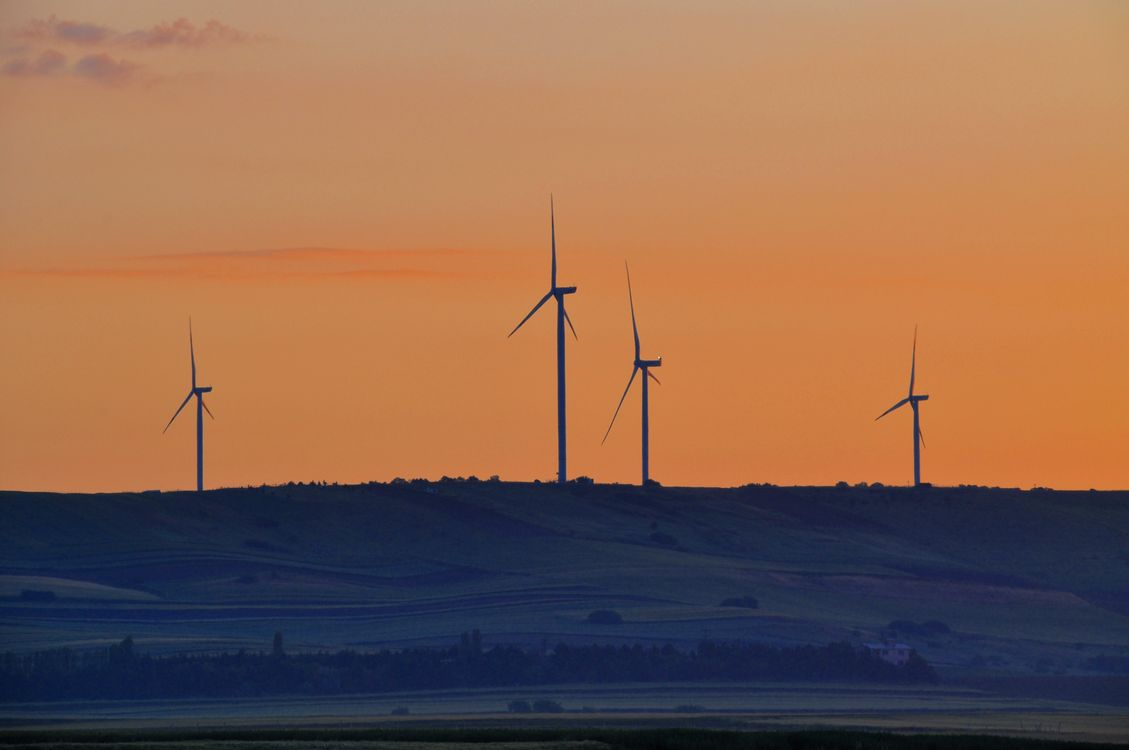
The solar awards follow Türkiye’s allocation of 1.5GW of wind capacity across seven project zones on 2 November. Together, the two competitions cover 2,285MW of proposed renewable electricity generating capacity at 18 locations.
The ministry estimates that the combined wind and solar programme could attract approximately $1.9 billion in investment and generate 6.1 billion kilowatt-hours of electricity annually once developed. Those projections relate to both procurement rounds rather than the 785MW solar allocation in isolation.
The ministry also estimates that the combined electricity production could displace the equivalent of approximately 1.22 billion cubic metres of annual natural gas imports. The calculation is a programme-level estimate and depends on the projects reaching operation and achieving their forecast generation.
The YEKA competitions provide the commercial and connection framework for a new portfolio of renewable electricity developments. Construction and energisation remain separate milestones, requiring the selected companies to complete equipment procurement, installation, testing, and the relevant network approvals.
The 3 November results establish the developers responsible for 785MW of future solar capacity. Their progression through project financing, construction, and grid connection will determine when the allocated generation begins contributing to Türkiye’s electricity system.