IN Brief:
- Germany's first long-term capacity auction awarded 5,159.969MW of reduced capacity across 11 bids.
- RWE secured three hydrogen-compatible power station projects at Voerde, Weisweiler, and Werne.
- Successful bidders will receive capacity remuneration over 15 years, with the next auction announcement scheduled for 10 November.
Germany’s Federal Network Agency has awarded 5,159.969MW of reduced capacity in the first auction under the country’s Electricity Supply Security and Capacity Act, establishing long-term remuneration for 11 successful generation projects.
The regulator published the results on 3 November, following the bidding deadline of 8 September. The auction initially offered 4,500MW of reduced capacity, but the successful volume exceeded that figure because the final accepted bid was permitted to take the allocated total above the original threshold.
Forty-one bids were submitted, representing approximately 11,958MW of reduced capacity. Seven submissions were excluded after the regulator identified failures to meet mandatory requirements, while 11 of the remaining bids received awards. The volume-weighted average successful price was €155,296 per reduced megawatt annually, against a permitted maximum of €244,000.
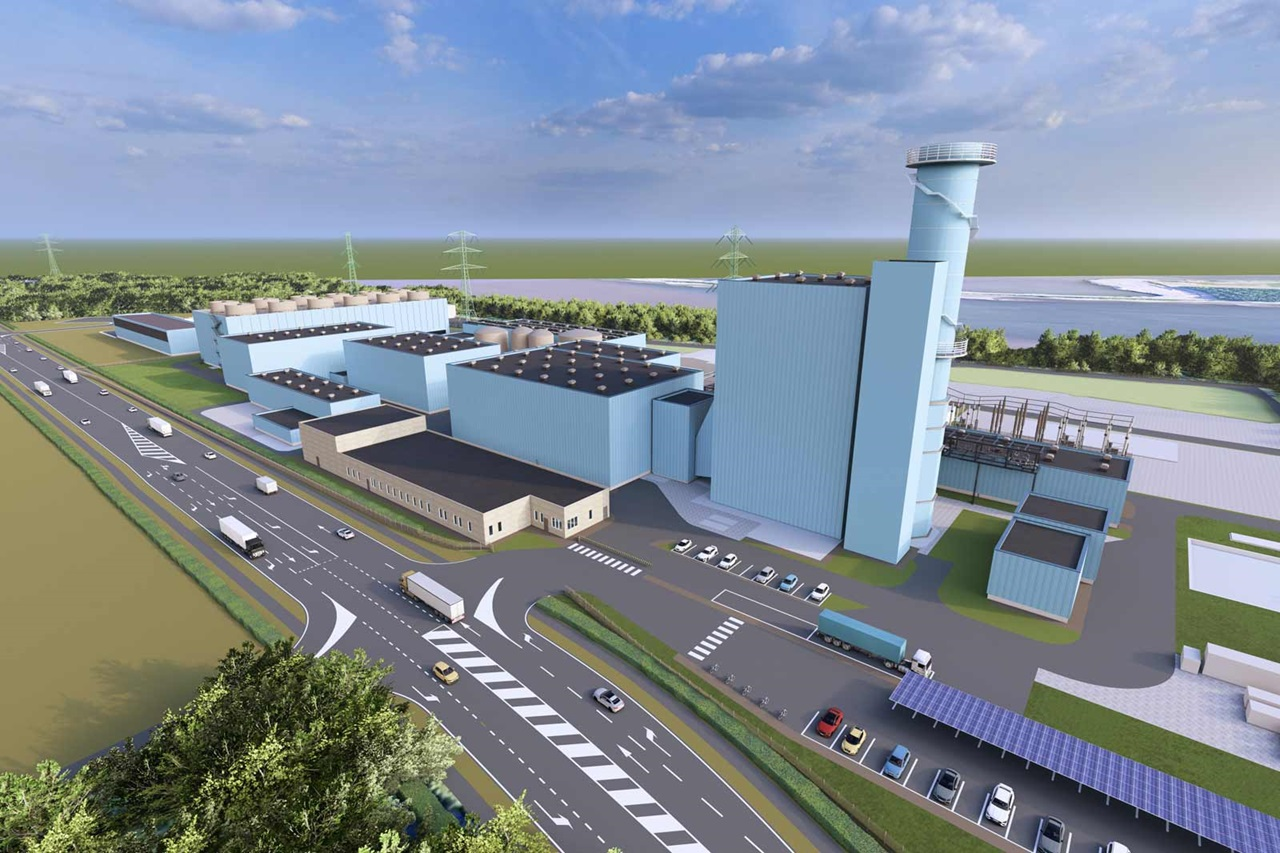
RWE secured contracts for three hydrogen-compatible combined-cycle gas power stations in North Rhine-Westphalia. The projects are planned for Voerde, Weisweiler and Werne, with respective qualifying capacities of approximately 730, 700 and 700 reduced megawatts.
The three RWE contracts therefore represent about 2.1GW of the capacity awarded through the first competition. North Rhine-Westphalia accounted for approximately 2,118 reduced megawatts in the regulator’s published regional results, followed by Brandenburg with 1,819MW and Saxony with 910MW.
Bavaria received an award covering approximately 269 reduced megawatts, while Baden-Württemberg accounted for a further 45MW. The distribution reflects the locations and characteristics of successful bids rather than an identical allocation of capacity across Germany’s electricity regions.
Reduced capacity is a statutory measure used to assess the contribution of eligible generating technologies to electricity supply security. For gas-fired power stations, the legislation recognises 85% of installed capacity when calculating the qualifying amount for the auction.
Consequently, the 5.16GW result represents reduced capacity, not the aggregate installed nameplate rating of the successful projects. Actual installed output will depend on the generating technologies and equipment specified by each developer, while the reduced-capacity figure provides the basis for determining contractual capacity payments.
The successful bid values ranged from €129,551 to €189,970 per reduced megawatt annually. These payments remunerate qualifying capacity availability under the long-term arrangement, with the individual contract conditions governing the obligations placed on the successful operators.
Capacity remuneration addresses the investment conditions faced by generation that may be required during periods of low renewable electricity output. Such assets must remain capable of generating when electricity demand and available wind or solar production create a need for additional dispatchable supply.
The amount of electricity produced by an individual station can nevertheless vary substantially over time. A plant intended primarily to provide supply security may operate less frequently than conventional baseload generation, making revenue from electricity sales alone an uncertain basis for recovering its capital investment and fixed operating costs.
RWE’s proposed facilities use combined-cycle gas turbine technology. A gas turbine generates electricity directly, while thermal energy remaining in its exhaust is recovered through a heat recovery steam generator to produce steam for an additional turbine. The combined process makes greater use of the fuel’s available energy than a simple-cycle arrangement.
Plant performance depends on turbine and steam system specifications, operating conditions and the frequency with which output must change. Flexible operation also introduces requirements for control systems, thermal management, protection and the coordination of equipment during starting, stopping and changes in electrical output.
The hydrogen-compatible specification introduces a further design consideration. Equipment intended to accommodate hydrogen must be suitable for the applicable fuel characteristics, including combustion behaviour and the operating limits established for the plant. The description does not establish that hydrogen will be available when the stations first enter service.
The timing and extent of any future hydrogen use will depend on fuel infrastructure, equipment configuration, approvals and commercial arrangements. RWE has identified hydrogen compatibility as part of the proposed plant technology while progressing the initial development programme for the three locations.
The company has already engaged international consortia to prepare regulatory approval documentation, reserved manufacturing capacity for important components and started permitting procedures. RWE expects construction of the first awarded power station to begin within weeks, although the individual projects must still complete their remaining approvals and delivery activities.
Large combined-cycle stations require substantial mechanical and electrical infrastructure, including generators, transformers, high-voltage switchgear, cooling equipment and plant control systems. Their connections must be engineered for the operating characteristics of the generating units and the requirements of the transmission network receiving their output.
The construction programmes will also depend on the availability of specialist equipment and contractors. Turbine manufacturing, major component installation, commissioning and grid connection activities must be coordinated before a completed plant can demonstrate its required generating capability.
RWE currently operates approximately 4.2GW of gas-fired generation capacity in Germany and intends to invest around €9 billion in flexible generation, battery storage and hydrogen production by 2031. The three auction awards provide a contractual foundation for part of that investment programme.
The Federal Network Agency is preparing the next procurement round, with the announcement of the second bidding date scheduled for 10 November. Awards from the first competition are deemed formally announced on that date under the statutory procedure, after which successful developers must meet the applicable implementation requirements.
The first auction has established a portfolio of projects intended to provide dispatchable electricity capacity over a 15-year contractual period. Their contribution to Germany’s electricity system will depend on the completion of construction, commissioning and the operational arrangements needed to make that capacity available.