IN Brief:
- Singapore's Energy Market Authority has granted Sembcorp Utilities conditional approval for up to 1.3GW of imports.
- The proposed corridor combines Vietnamese offshore wind with Malaysian solar and battery storage infrastructure.
- Imports are targeted for 2035, subject to further regulatory approvals, commercial agreements and financing.
Sembcorp Utilities has received conditional approval from Singapore’s Energy Market Authority to develop a regional electricity import proposal with capacity of up to 1.3GW, linking renewable generation resources in Vietnam and Malaysia with Singapore’s power system.
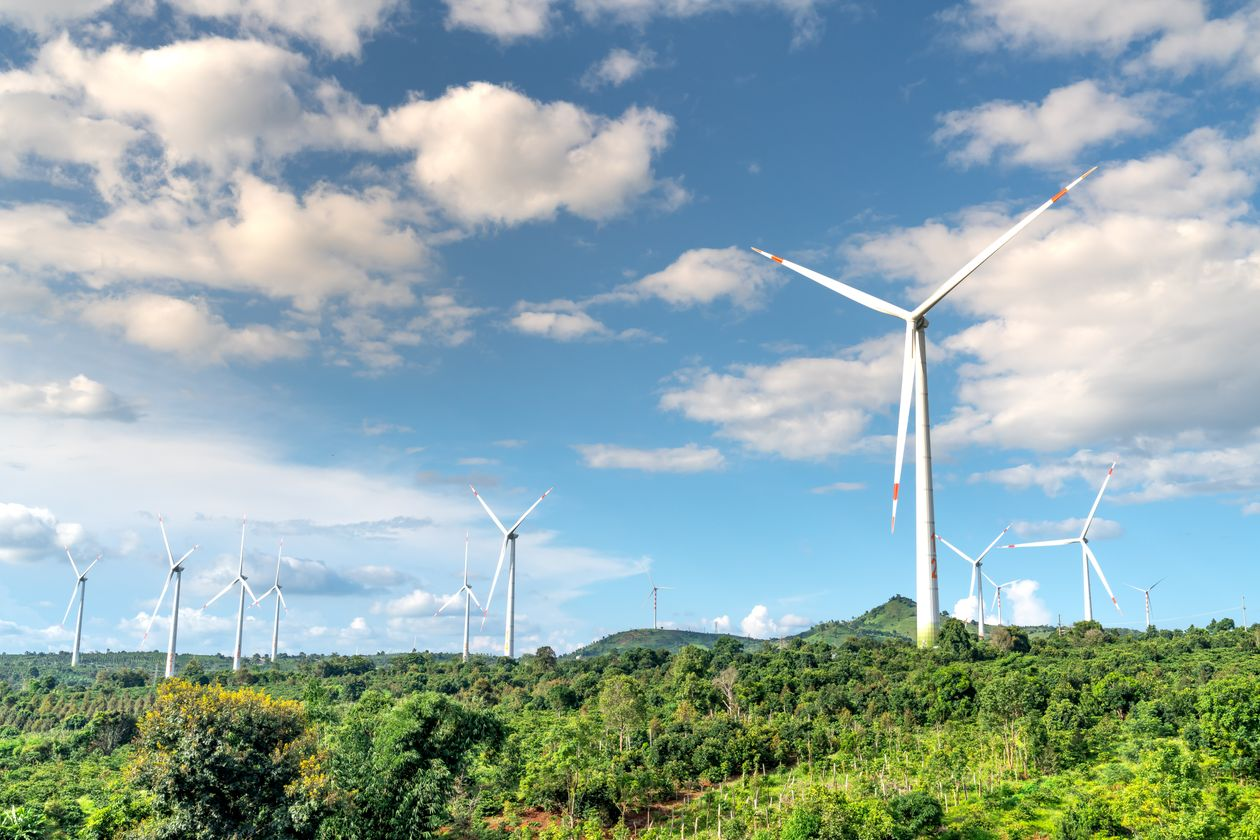
The Vietnam–Malaysia–Singapore initiative would combine offshore wind generation in Vietnam with solar power and battery energy storage infrastructure in Malaysia. Its developers envisage electricity passing through Malaysia, which would participate as both an electricity recipient and a transit country, before part of the supply is delivered to Singapore.
The Energy Market Authority granted the conditional approval on 26 October 2026 during Singapore International Energy Week. Sembcorp Utilities is the designated importer, working with MY Energy Consortium, comprising Petronas and Tenaga Nasional Berhad, and Petrovietnam Technical Services Corporation.
The partners signed a joint development agreement in May 2025. Their current programme targets commencement of imports in 2035, subject to technical development, regulatory decisions, commercial electricity purchase agreements and financing. The October decision is a step in that process rather than a final operating licence.
The 1.3GW figure refers to the proposed maximum import capability associated with the corridor. It does not establish the installed capacity of the Vietnamese wind farms or Malaysian solar and battery systems, and it does not mean that electricity is already being transferred under the arrangement.
The project would connect generating and storage resources across three jurisdictions with different electricity networks, permitting requirements and commercial arrangements. The actual electricity delivered would depend on generating conditions, the installed transmission equipment, connection limits and the operating agreements established before service begins.
Offshore wind generation changes with wind speed and turbine availability. Electricity from turbines must pass through collection networks and suitable transmission infrastructure before it can be exported from the generating region. The route, generation capacity and electrical interfaces proposed for the Vietnam element have not been finalised publicly.
Solar power in Malaysia would add another generating source with an output profile influenced by daylight, cloud cover and temperature. Combining solar and wind can diversify the timing of production, although neither technology provides guaranteed constant electrical output.
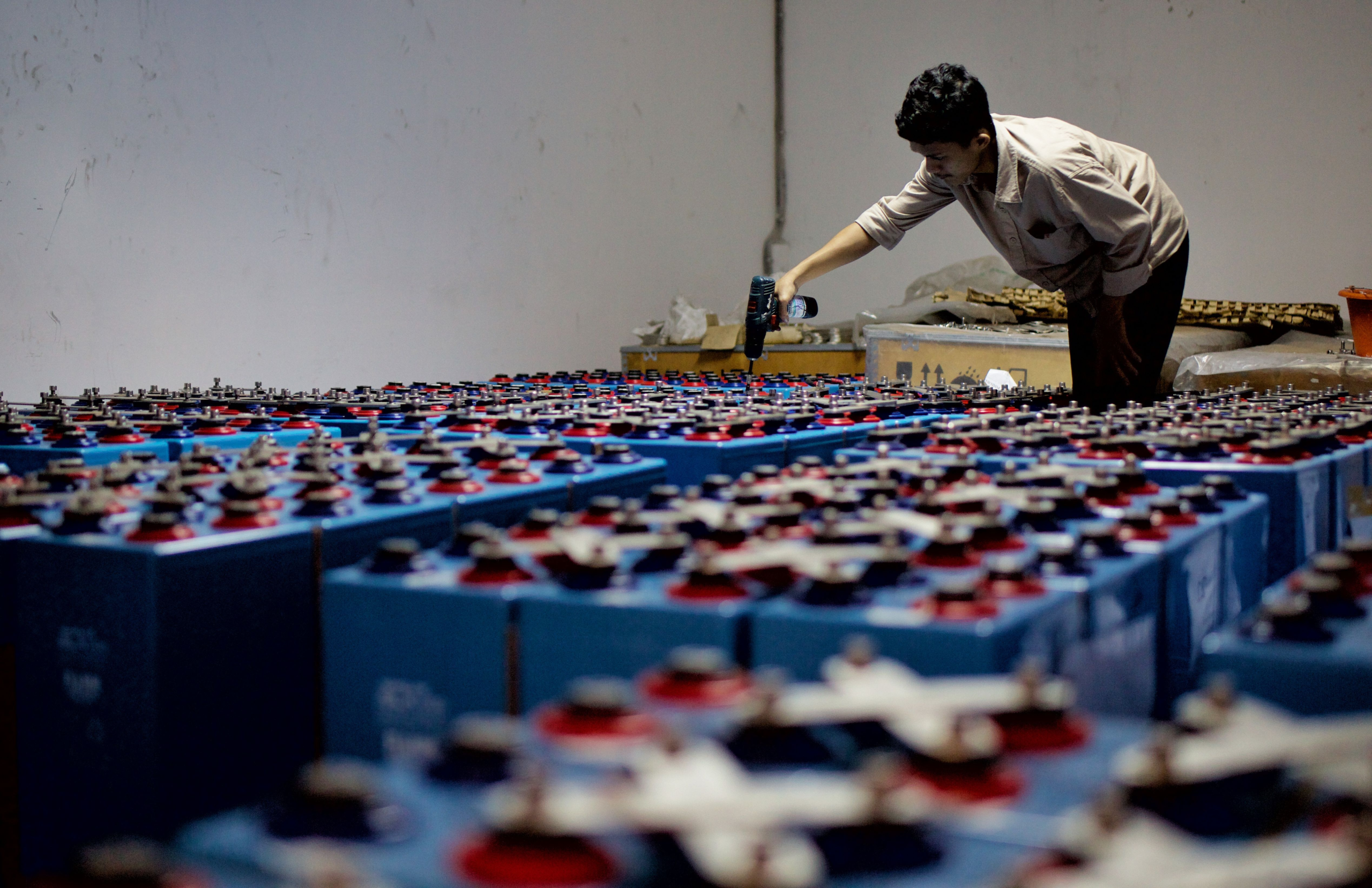
Battery storage would introduce a controllable element. Batteries can absorb electricity when appropriate charging capacity is available and release it later through power conversion systems, subject to their maximum power rating, usable stored energy and state-of-charge limits.
The consortium has not announced the battery capacity in megawatt-hours, discharge duration or final storage configuration. Those details will influence how much electricity can be shifted between periods and how the equipment could support the proposed regional supply profile.
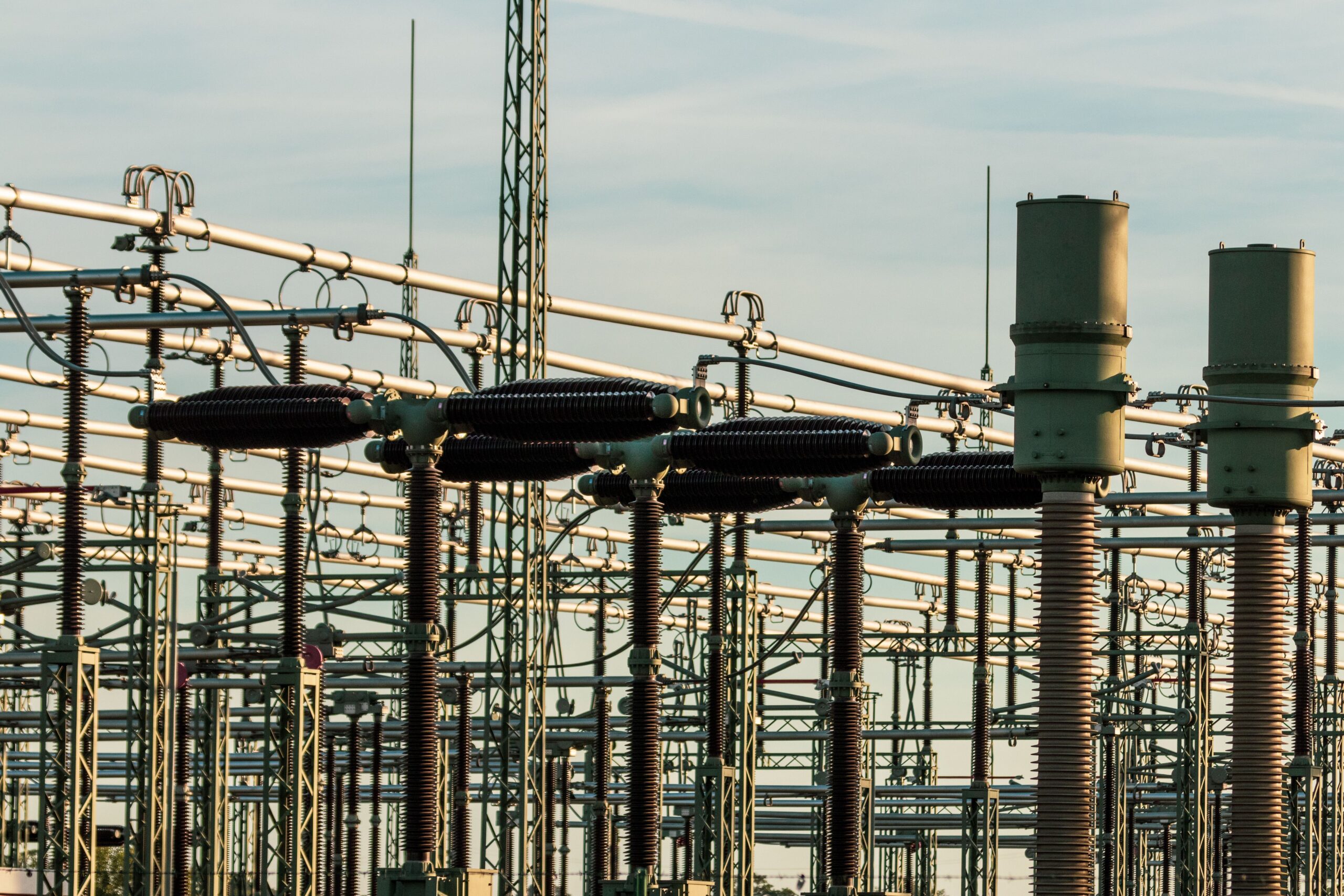
Long-distance electricity transfer also requires careful control of electrical power flows. The interconnection’s voltage, conductor or cable configuration, converter and substation equipment, and operating arrangements must be coordinated with the networks involved, while losses and availability affect the energy delivered to customers.
The project partners have not confirmed the final transmission technology or physical route. High-voltage direct current and alternating current links have different equipment and operating characteristics, so neither a particular converter design nor a submarine cable specification should be attributed to the initiative until selected.
Interconnection studies will need to examine fault behaviour, voltage regulation, power quality and the response to changes in generation and demand. Protective equipment must isolate faults appropriately, while system operators must determine how power transfers can be adjusted without undermining the stability of the connected networks.
Cross-border operation also requires agreement on responsibility for transmission services, network access and the management of scheduled electricity flows. The contracting parties must establish how the electricity will be measured, purchased and delivered, and how the consequences of losses or interruptions will be allocated.
Malaysia’s role as a recipient as well as a transit country creates additional requirements for determining which electricity is used within its own system and which is exported onwards. The arrangement would need commercial and operational rules capable of distinguishing those flows, alongside the infrastructure to deliver them.
Singapore’s approval procedure separates early recognition of a credible import proposal from later permissions. Conditional approval allows the developers to progress studies and commercial arrangements, but further authorisations are required before construction and imports can proceed.
The Energy Market Authority has granted conditional approvals and conditional licences to projects involving several regional partners. Singapore’s wider strategy seeks to import around 6GW of low-carbon electricity by 2035, providing access to renewable resources beyond the city-state’s limited land area.
The regulator is also planning the infrastructure required to receive imports. Its five-year energy infrastructure programme includes the development of electricity import landing sites and continued studies of a second interconnection between Singapore and Peninsular Malaysia. Those measures form part of the wider network programme and are not confirmed components of the 1.3GW initiative.
Regional imports would diversify Singapore’s electricity supply, although cross-border dependence introduces requirements for contingency planning and network resilience. The availability of domestic generating capacity, other interconnections and operational reserves remains relevant if an import route or renewable source becomes unavailable.
For the proposed corridor, the next milestones are agreement on the electrical configuration and route, approvals from the participating jurisdictions, binding purchase agreements and project financing. Sembcorp and its partners are targeting imports from 2035; no construction start, financial close or completed interconnection has been announced.