IN Brief:
- Stiesdal upgraded the Måde electrolyser from 3.1MW to 6.5MW, with commercial deliveries at the higher rating beginning on 29 September.
- The system produces up to approximately 1,270Nm³ of hydrogen per hour at nominal load.
- Its commercial operating specification includes a 15–100% load range and a ramp-up rate of 2% of rated power per second.
Stiesdal Hydrogen has brought its upgraded 6.5MW HydroGen electrolyser into commercial operation at European Energy’s hydrogen production facility at Måde, near Esbjerg in Denmark, more than doubling the electrical capacity of the previously installed system.
The plant was upgraded from its original 3.1MW configuration during September 2026 and has supplied commercial hydrogen customers at operating levels of up to 6.5MW since 29 September. At nominal load, the enlarged installation is specified to produce approximately 1,270 normal cubic metres of hydrogen per hour.
European Energy has operated the Måde hydrogen facility using Stiesdal’s earlier 3.1MW electrolyser platform since 2023. The higher-capacity configuration occupies the same plant, with an additional power converter cabinet representing the principal externally visible change to the installed system.
The upgrade uses the manufacturer’s existing pressurised alkaline electrolysis platform, rather than introducing a separate production technology. Stiesdal has increased the electrical loading of its established electrode and stack design, supported by additional power conversion capacity and development testing of the electrochemical equipment.
The 6.5MW rating describes the system’s nominal electrical input. It does not measure the chemical energy contained in the hydrogen produced, because electrolysis involves conversion losses and requires auxiliary equipment as well as the electricity delivered directly to the electrochemical stacks.
Hydrogen production takes place when an electrical current drives the separation of water into hydrogen and oxygen. In an alkaline electrolyser, an electrolyte provides ionic conduction between electrodes, while the electrical circuit supplies the energy needed for the electrochemical reactions.
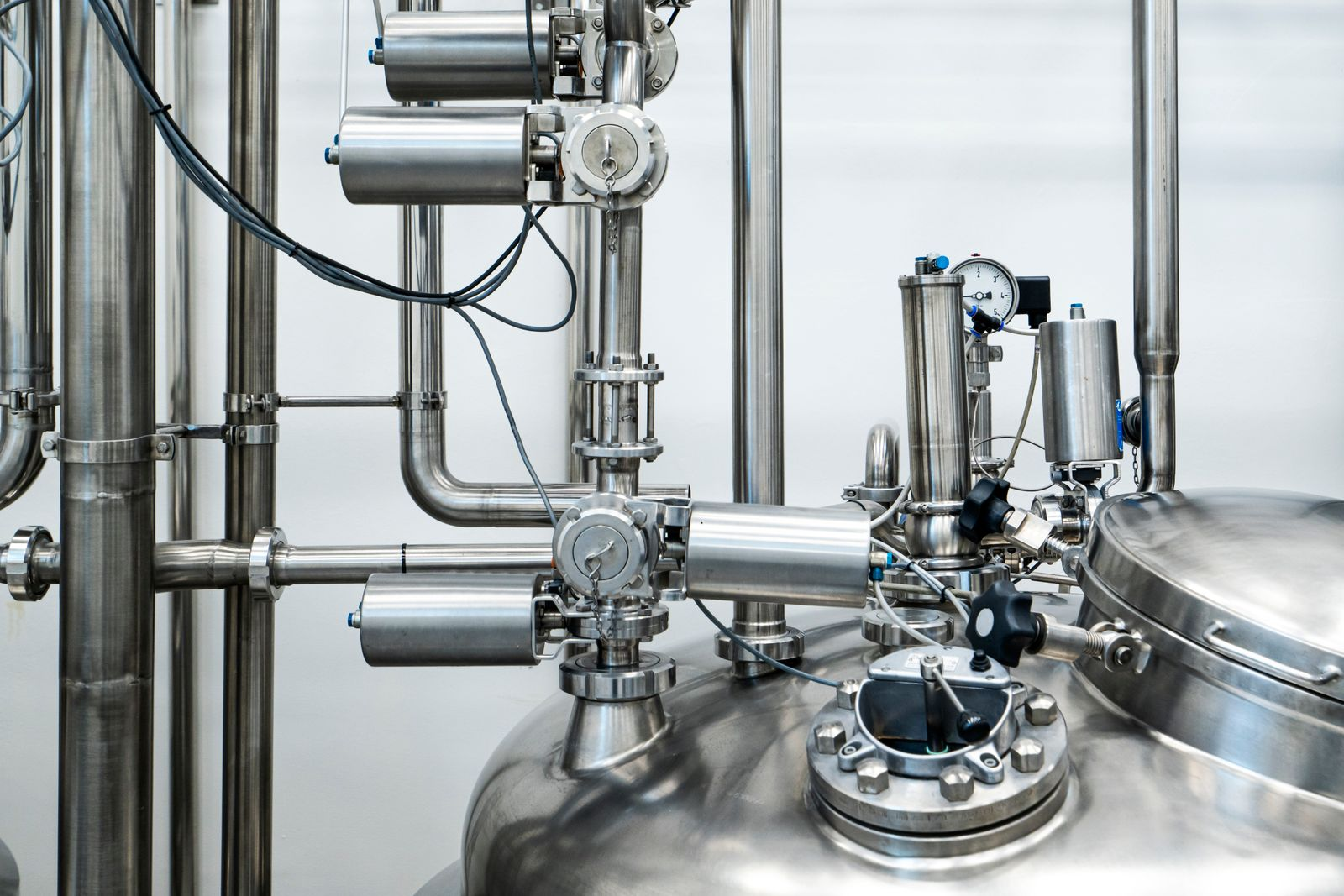
The electrode and separator arrangement must maintain suitable conditions for the two product gases. Gas separation, electrolyte circulation, temperature regulation and pressure control are all part of the process equipment needed to support continuous hydrogen production.
Stiesdal’s HydroGen platform operates under pressure and can deliver hydrogen at pressures of up to 35 bar. Producing gas at elevated pressure can reduce the additional compression needed for some downstream applications, although the final delivery requirements depend on storage, transport and customer equipment.
The equipment also requires controlled DC electricity for its electrochemical stacks. Power conversion systems take the incoming electrical supply and regulate the current delivered to the process, allowing hydrogen production to change as the available electrical power and operating instructions vary.
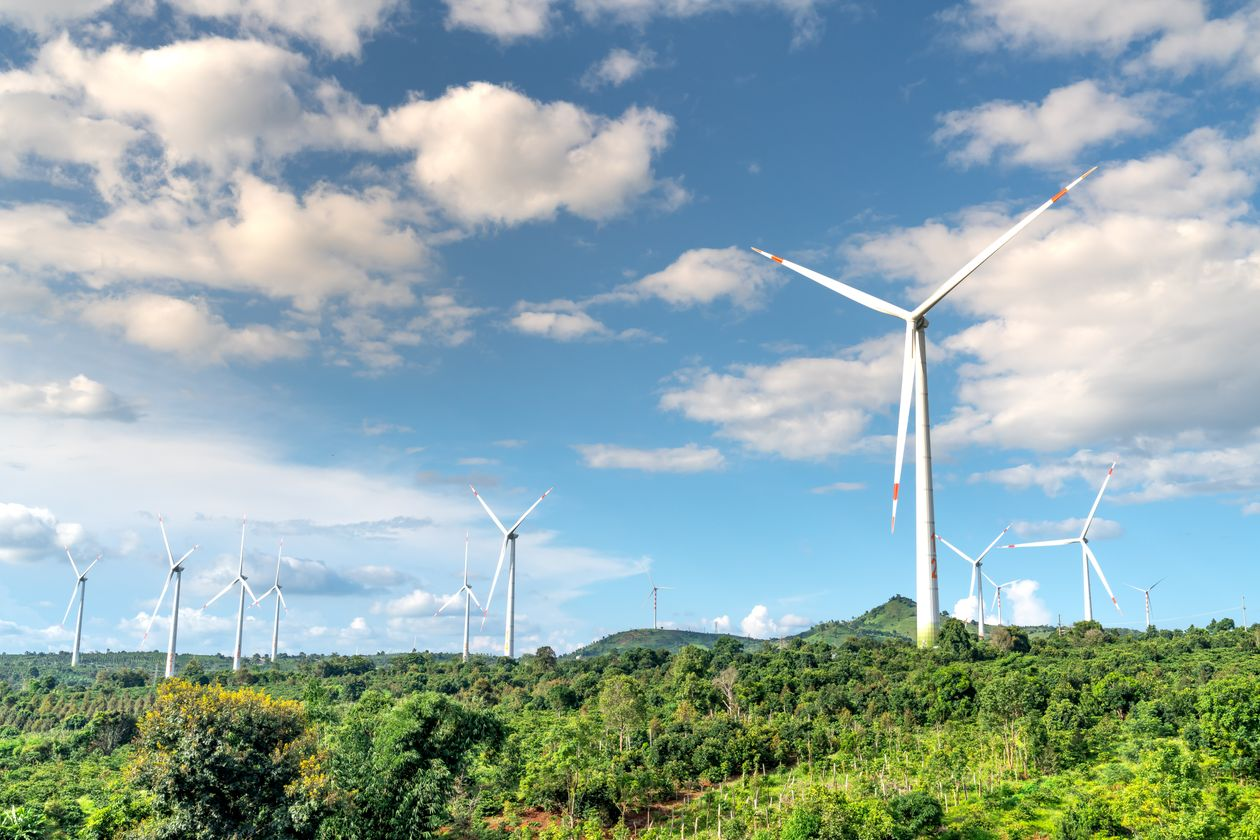
At Måde, the electrolyser is directly connected to adjacent wind turbines. Electricity availability and prices can affect when production is most economical, particularly when the plant can adjust its electrical demand without interrupting downstream supply arrangements.
The upgraded system’s commercial specification includes an operating range from 15% to 100% of nominal power and a ramp-up rate equivalent to 2% of rated load per second. These characteristics allow the plant’s electricity consumption to change in response to operating conditions, subject to the limitations of the electrochemical process and the surrounding equipment.
At a nominal rating of 6.5MW, a ramp-up rate of 2% per second corresponds to approximately 130kW per second. This expresses the manufacturer’s specified ability to increase electrical loading, rather than a verified response time for every possible operating transition at Måde.
Changes in electrical input must be coordinated with electrolyte circulation, stack temperature and gas handling. Although the electrical conversion system can respond rapidly, the plant controls still need to maintain suitable physical conditions as hydrogen production rises or falls.
That relationship is important when electrolysers operate alongside variable renewable generation. A plant capable of changing its electrical demand may increase consumption when electricity is abundant and reduce it when power is comparatively expensive, provided the resulting hydrogen production schedule remains compatible with equipment limits and customer requirements.
European Energy distributes hydrogen from the facility using trailers supplying commercial customers. Demand is increasingly associated with European requirements for renewable fuels of non-biological origin, including the implementation of the revised Renewable Energy Directive and associated fuel standards.
The upgraded production system is specified to consume approximately 4.8–5.1kWh of AC electricity per normal cubic metre of hydrogen, depending on operating conditions. This system-level measure provides a basis for assessing electrical consumption against gas production, although actual performance must be measured over the plant’s operating profile.
At the stated nominal production rate, changes in system efficiency affect the amount of electricity required to maintain output. Electricity purchasing arrangements consequently have a substantial influence on production costs, alongside capital expenditure, maintenance, water treatment, compression and the other services needed to operate the facility.
Stiesdal has priced its 6.5MW HydroGen platform at approximately €3.15 million to €3.3 million per unit, depending on order volume and delivery period. This corresponds to around €500 per kilowatt of nominal electrical input capacity. The manufacturer compares that figure with a European equipment benchmark of approximately €1,000 per kilowatt for a comparable scope.
These prices concern the manufacturer’s equipment offering and should not be interpreted as the total installed cost of a hydrogen production site. Grid connection, civil works, water supply, gas storage, additional compression and customer-specific infrastructure may require further capital expenditure.
The system is designed for outdoor installation using a modular arrangement. Stiesdal specifies a footprint of approximately 22 square metres per megawatt for the electrolyser equipment, reducing the need for a conventional process building while retaining requirements for suitable site access, electrical interfaces and safety systems.
Its technical specification also includes a nominal electrolyser stack lifetime of 60,000 operating hours. This is a design claim for the equipment, not an operating duration already demonstrated by the upgraded Måde installation. The effects of long-term cycling and operation at increased current density will need to be established through accumulated service experience.
The company’s approach involves increasing production capacity within an existing platform and using standardised modules for future installations. Scaling the arrangement to larger projects requires suitable electrical distribution, water treatment, gas handling, cooling and control infrastructure, even where the electrochemical equipment follows a repeatable design.
European Energy’s decision to upgrade the existing Måde system provides an operational example of that approach. The facility can now deliver hydrogen at more than twice its previous nominal electrical input rating, while retaining much of the established plant and supply arrangement.
Commercial deliveries have been under way at the higher capacity since 29 September. Subsequent operating data will determine how the expanded system performs over longer periods, including its electricity consumption, production availability and maintenance requirements as the upgraded equipment accumulates operating hours.