IN Brief:
- A groundbreaking ceremony on 20 October marked the start of Battery Park Tvarditsa in Bulgaria.
- The five-hour, 300 MWh design specifies 80 Tesla Megapack 2XL units and twenty 4.4 MVA transformer units.
- Tvarditsa is the first of three planned projects with total proposed storage above 2,300 MWh, with commercial operation at the first site targeted for Q2 2027.
Tesla battery equipment will be deployed in a 300 MWh energy storage park at Tvarditsa in Bulgaria, where construction was formally launched on 20 October. The five-hour Battery Park Tvarditsa will use Megapack 2XL units and is expected to enter service in the second quarter of 2027. Bulgarian companies Asarel Trade and Power Profit are developing the scheme with Tesla as the first of three planned storage projects in a wider investment programme.
The groundbreaking took place in the town’s industrial zone, attended by Prime Minister Rumen Radev, Energy Minister Iva Petrova and other officials. The event marks the transition into site delivery, ahead of installing the battery enclosures, transformers and electrical connections. After those works, commissioning will establish safe charging and discharge, protection behaviour and compliance with the connection agreement. The government identifies the expected operating quarter, giving contractors a target for completing that sequence.
Tvarditsa’s specified equipment comprises 80 Tesla Megapack 2XL units and twenty transformers rated at 4.4 MVA apiece. Bulgaria’s energy ministry lists 300 MWh of storage and a five-hour duration. Dividing the energy capacity by the discharge duration gives an indicative average of 60 MW, although the permitted export rating and usable AC energy will be determined by the final power conversion design, operating reserve and grid connection. Megawatt-hours measure stored energy; megawatts measure the rate at which that energy can be transferred.
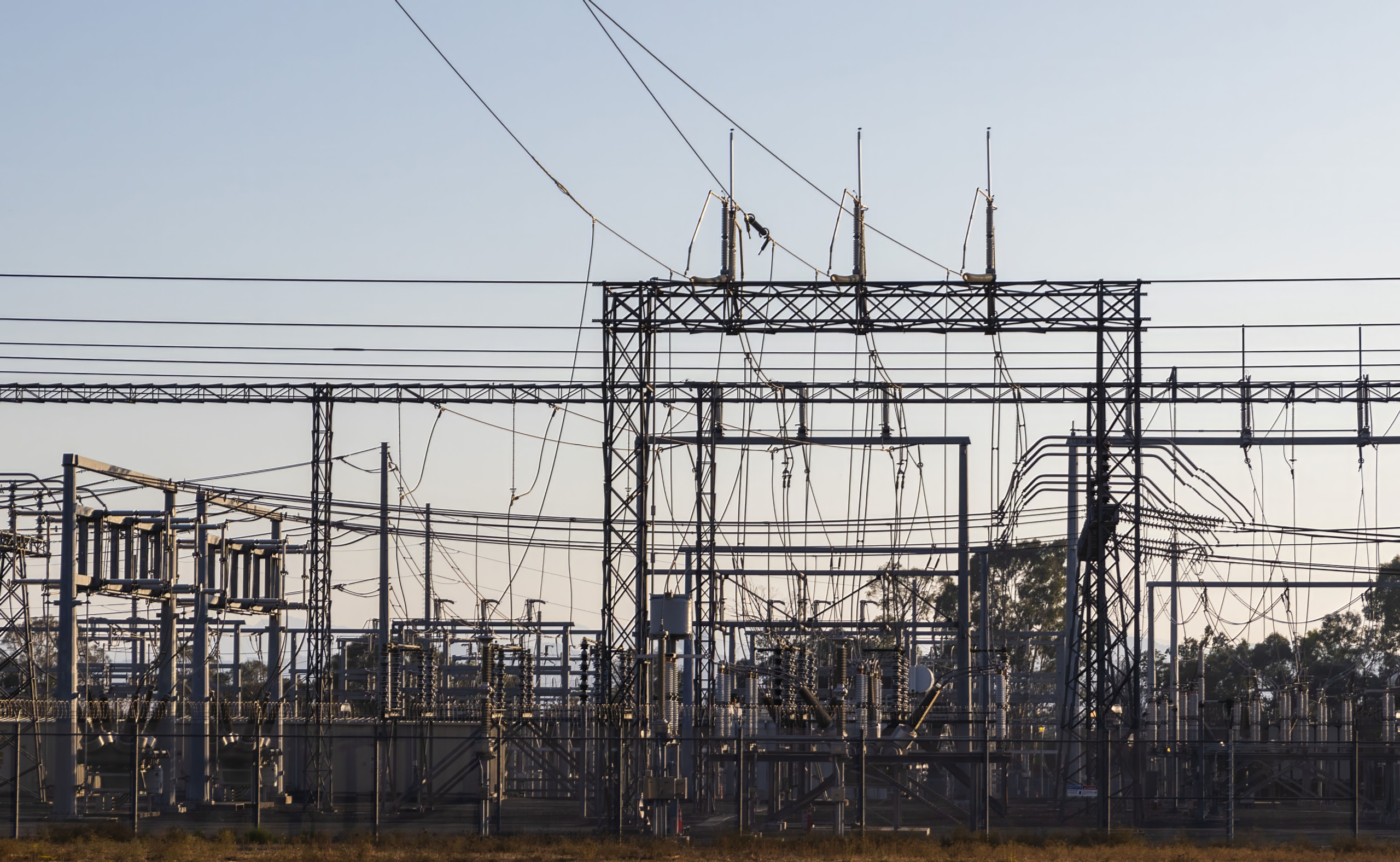
The transformers have an aggregate stated rating of 88 MVA, expressed as apparent power rather than active export capacity in MW. Their role is to provide the voltage interface between the battery plant and its collection or grid connection equipment. Converters, transformer thermal loading, conductor ratings, operating power factor and protection settings together determine the plant’s permitted electrical envelope. The number of transformer units also affects how the installation can be sectioned for maintenance, though the precise circuit grouping has not been disclosed.
A battery installation of this type receives alternating-current electricity from the network, converts it into the direct current required by its cells, and reverses that conversion when stored energy is discharged. Power conversion equipment controls real and reactive power within the operating limits of the battery system. Thermal management and cell supervision are also necessary because charging and discharging produce heat, while operating temperature and state of charge affect how much energy can be transferred safely. These functions require coordinated protection and control rather than simple connection of battery enclosures to transformers.
With around five hours of discharge duration at the indicative rating, the plant could absorb electricity during periods of ample supply and return it during higher demand or reduced renewable output. Dispatch will depend on the battery’s state of charge, conversion efficiency, the network import and export limits, and the market products for which the plant qualifies. The final operating strategy may combine wholesale trading with reserve or balancing services, subject to metering, controls and service-specific qualification. The published technical details establish design intent rather than contracted dispatch obligations.
Tvarditsa is part of a three-project programme involving Asarel Trade, Power Profit and Tesla, with combined planned storage exceeding 2,300 MWh and investment above €350 million. Those figures apply to all three developments; Tvarditsa itself accounts for the specified 300 MWh. The remaining locations, individual capital allocations and delivery schedules have yet to be set out publicly. As equipment procurement and connection programmes progress, the developers will need to coordinate each site’s battery rating with the requirements of its local network rather than apply a single operating configuration across the programme.
Adding large battery systems to an electricity network also raises connection and dispatch requirements beyond the cells themselves. The local network must accommodate high charging demand as well as export during discharge, and power quality must remain within the connection agreement during changes in output. Protection coordination, equipment fault ratings and communications with the system operator can affect when a plant is allowed to energise or participate in flexibility markets. Those are commissioning requirements rather than capabilities established merely by selecting a battery product.
Petrova linked the project to Bulgaria’s strategy for expanding storage and electricity-system flexibility. Batteries can accommodate changes in net demand by altering active-power import or export, but their ability to provide system services depends on controller performance, reserve headroom and the duration for which output can be sustained. The state can support these investments through its regulatory and market arrangements; the actual system contribution will depend on plant commissioning, availability and the services subsequently procured or traded.
The developer’s next milestones are completion of site works, delivery and integration of the 80 battery units, installation of the twenty transformer units, and testing of the grid connection and operating controls. Commercial service is targeted for the second quarter of 2027. The 20 October ceremony establishes that the Tvarditsa project has entered its construction phase, while the declared 300 MWh and five-hour duration describe the planned installation awaiting electrical completion.