IN Brief:
- VicGrid has selected Acciona as preferred development partner for its Gippsland offshore wind transmission project.
- The proposed shared connection initially supports up to 2 GW of offshore wind through a roughly 60 km, 500 kV double-circuit overhead line.
- Acciona must submit a final construction offer after development work, and the project remains subject to environmental and statutory approvals.
VicGrid has selected Acciona as its preferred development partner for the proposed Gippsland offshore wind transmission project in Victoria, Australia. The planned network is intended to connect the first 2 GW of offshore wind generation off the Gippsland coast to the existing electricity system, but the appointment does not constitute an unconditional final construction award.
The Victorian transmission planning agency confirmed the selection on 15 October 2026. Acciona will work with VicGrid on the design, procurement and project management needed to prepare the transmission infrastructure for delivery. At the end of the development phase, the company is expected to submit a final project offer for construction.
VicGrid describes the preferred route as approximately 60 kilometres long and 200 metres wide, extending between the existing Loy Yang Power Station switchyard and a proposed new terminal station near Giffard. Those corridor dimensions are planning descriptions rather than final construction easement measurements.
The reference design centres on a 500 kV double-circuit overhead alternating current transmission line. Two circuits on the transmission corridor will provide electrical paths intended for transferring power from the offshore wind connection towards the existing network, subject to the technical design and final approved project scope.
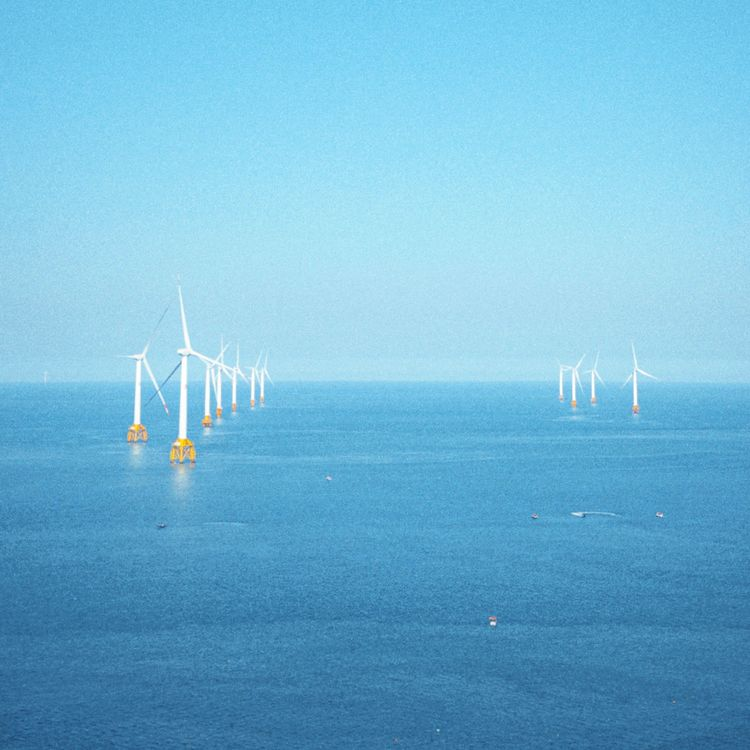
The development has to address the connection of offshore wind generation to the onshore power system. Electricity produced by turbines at sea must be gathered through electrical collection equipment and transferred through export infrastructure before it reaches an onshore interface. The Gippsland project concerns shared onshore transmission, not construction of the offshore turbines themselves.
At a given transmitted power, increasing voltage reduces the current required, subject to the arrangement and operating conditions of the network. Lower current can reduce resistive heating losses, but the actual benefits depend on conductor selection, line geometry, reactive power management, equipment ratings and the rest of the system.
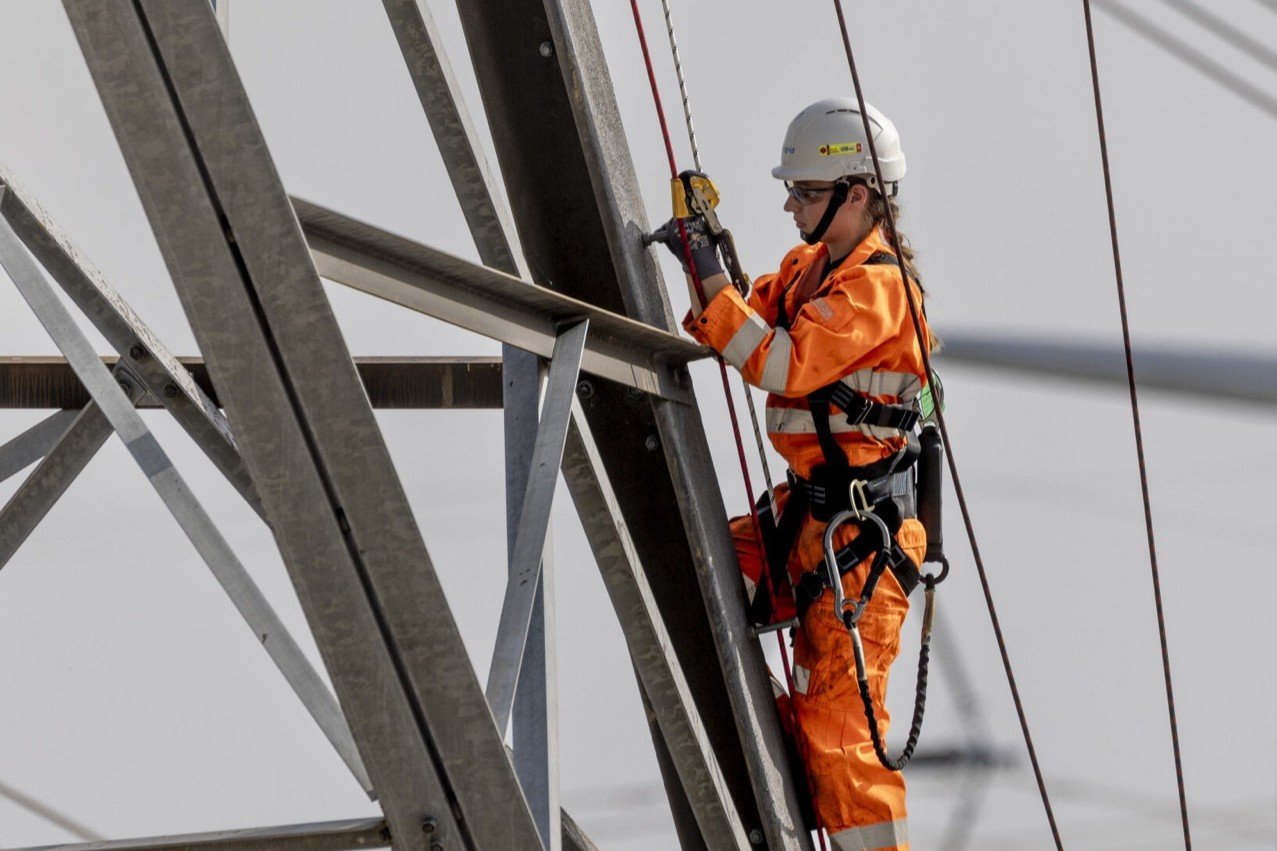
The new overhead circuits would need support structures, conductors, insulators, foundations, earthing arrangements and electrical protection. The final tower arrangement, detailed route and location of supporting infrastructure have to be developed through engineering and environmental processes; indicative tower counts should not be treated as built quantities.
VicGrid identifies a proposed terminal facility near Giffard and a connection towards the Loy Yang switchyard. High-voltage terminal facilities use switching and protection systems to control and isolate network circuits. Depending on the final network design, transformer and voltage control equipment may also be required to manage the electrical interface.
The Victorian planning authority’s project description includes a shared onshore connection hub and equipment such as transformers, switchgear and synchronous condensers. That description concerns proposed scope, not equipment already installed or commissioned. The eventual specification will be established as the design and approvals progress.
Synchronous condensers can provide reactive power and support aspects of voltage regulation and system strength without supplying sustained active generation. Their potential use reflects the electrical demands of integrating large amounts of converter-connected renewable generation into a network previously shaped by conventional generating stations.
Protective relays and control systems will have to recognise faults, monitor electrical quantities and coordinate switching. Their settings must be based on network studies and the characteristics of both the new transmission line and the existing infrastructure. These functions cannot be finalised from the 2 GW target alone.
The initial 2 GW figure describes planned transmission accommodation for future offshore wind capacity, not 2 GW of generation already delivered through the new line. Offshore wind developments will have separate investment, approval, construction and commissioning programmes that must align with availability of the shared connection.
The route selection has been informed by environmental, cultural heritage and technical investigations, as well as engagement with affected communities and landholders. VicGrid says its preferred alignment reduced the number of directly affected private properties from 24 to 20 compared with the earlier draft, although work on detailed alignment and easements remains.
Environmental review is continuing through Victoria’s Environment Effects Statement process. VicGrid expects the assessment to be exhibited for public review in 2027. The project remains subject to state and Commonwealth approvals, so the preferred route and preferred development partner do not remove the need for formal assessment and decisions.
Acciona will support the agency with planning, statutory approvals and engagement as well as engineering preparation. A development partner can help define equipment procurement, delivery interfaces and the commercial structure before a firm construction proposal is agreed, but the precise final responsibilities remain subject to the subsequent process.
The company has referred to a prospective concession involving development, financing, construction and long-term operation. VicGrid’s statement is more specific about the current stage: preferred partner selection followed by development work and a final project offer. Reporting should preserve that distinction until a final construction award is confirmed.
VicGrid’s current programme anticipates that the transmission project will be completed in 2031. The agency’s wider project timeline sets construction and commissioning within a later programme, rather than indicating that line construction has already begun as a result of the October announcement.
Planning an offshore wind connection requires the electrical design to develop alongside coastal landing arrangements, onshore transmission requirements and the timetable for generating capacity. The grid must accommodate variable production and maintain agreed voltage, thermal and fault performance limits across the connected network.
Acciona’s selection is therefore a procurement milestone for a planned network, not evidence of completed electrical infrastructure. The subsequent milestones are detailed design, environmental assessment, statutory approvals and a final construction offer before the proposed 500 kV connection can proceed to physical delivery.