IN Brief:
- Northland Power says all 73 turbines at the approximately 1 GW Hai Long offshore wind project are installed and generating electricity.
- Northland owns 30.6% of the Taiwan project, alongside Mitsui with 40% and Gentari with 29.4%.
- The full turbine fleet is generating, but final permitting approvals remain targeted for the first half of 2027.
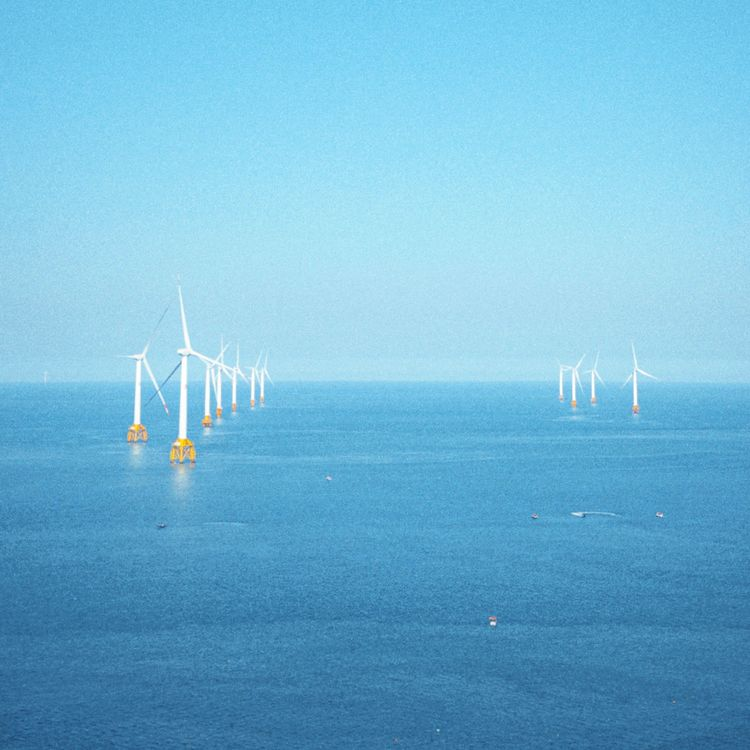
Northland Power has confirmed that all 73 turbines at the Hai Long offshore wind project in the Taiwan Strait are installed and generating electricity. The approximately 1 GW development has therefore completed its turbine installation campaign, although its final permitting approvals are still expected during the first half of 2027.
The company announced the milestone on 15 October 2026, stating that the overall construction cost remains aligned with its original expectations. That assessment and the full-fleet generation milestone do not mean all construction, administrative or final acceptance requirements have been discharged.
Hai Long lies around 45 to 70 kilometres offshore from Changhua County. The project is jointly owned by Northland Power with 30.6%, Mitsui with 40% and Gentari with 29.4%. Its planned installed capacity is approximately 1 GW, delivered through a fleet of 73 large offshore turbines.
Confirmation that every turbine is generating represents a change from the status reported in Northland’s second-quarter 2026 update. At that point, 71 turbines had been installed and 59 were producing power. Installation and turbine energisation have since progressed across the full array.
Installation is not the same as full commercial acceptance. Once an offshore turbine is erected, several electrical and control systems must be checked before it can export energy safely. A project may also have outstanding documentation, performance tests, statutory approvals and handover activities after individual turbines begin generating.
Turbines convert moving air into rotational mechanical energy through their rotor assemblies. A generator and associated power electronics convert that energy into electricity, while turbine controls adjust operation within design and environmental limits. Output changes as wind speed varies, so the project’s 1 GW rating cannot be interpreted as constant generation.
Individual turbines connect into an offshore electrical collection network. The collection cables gather electricity and carry it towards offshore electrical infrastructure, from which export circuits transfer the combined output to the onshore network. Transformers, protection systems and switching equipment allow different parts of the installation to operate together within their specified ratings.
Subsea cable circuits face mechanical and thermal constraints that differ from those affecting overhead transmission. Installation must account for the seabed, cable protection and the forces involved in laying and handling long electrical circuits. Subsequent operation requires monitoring for electrical faults and maintaining the integrity of offshore connections.
The offshore environment affects access to generating equipment. Maintenance vessels and crews must operate within weather and sea-state limits, making planning important for inspections and repairs. An installed turbine may be unavailable for periods even when other turbines at the site continue producing electricity.
Completing installation of all 73 turbines removes a major offshore construction activity from the programme. Specialist lifting vessels, large turbine components and suitable weather windows are required during erection. The completion reduces exposure to delays associated with further turbine installation, as Northland notes in its announcement.
However, ongoing operation still depends on the condition of mechanical equipment, power electronics, control systems and export infrastructure. Completion of installation does not remove the need for routine maintenance, inspection or management of outages across the life of the wind farm.
The power available from the project depends on the wind resource and turbine availability. Annual energy is measured in MWh or GWh and cannot be determined solely from the installed capacity figure. Forecast household supply equivalences likewise depend on assumptions about yearly production and average consumption.
Northland states that Hai Long could supply electricity equivalent to the annual needs of more than one million Taiwanese households. This is a project forecast, not evidence that the installation has already produced a particular full year of electricity or that those households receive an exclusive physical supply.
The development has a 30-year corporate power purchase agreement. In earlier reporting, Northland stated that expanded contracted coverage would apply to the project’s full generating capacity subject to outstanding administrative procedures. The existence of an offtake contract does not establish the amount of electricity produced in a given period.
Contracted revenues and the operation of offshore equipment are separate aspects of the project. Actual receipts will depend on contractual provisions and the electricity delivered or otherwise accounted for under those arrangements. Project owners must also manage ongoing operating expenditure and scheduled maintenance.
Construction financing has continued to evolve as the generating assets approached completion. Northland reported new Taiwan dollar-denominated debt facilities in August 2026, including additional funding intended to support the remaining period through project completion. These arrangements do not alter the physical meaning of the October turbine milestone.
The company’s statement that project costs remain consistent with its initial expectations is a forward-looking assessment given before all final project requirements are complete. It should not be presented as an independently audited final cost outcome.
Final permitting approvals are still expected in the first half of 2027. Their timing matters to completion status, but does not contradict the developer’s separate confirmation that electricity is currently being generated by every turbine. The two milestones describe different parts of the project’s progress.
With the installation campaign complete and all turbines generating, Hai Long has reached a substantial operational milestone. The next confirmed step is the conclusion of remaining approval and completion processes while the partners continue managing electricity generation from the installed fleet.