
IN Brief:
- Parensen combines 9.435MWp of photovoltaic capacity with 15.045MWh of storage.
- The 39 photovoltaic installations have separate ownership arrangements and access to shared battery capacity.
- DC-side completion is planned for December 2026, ahead of full grid connection in the second quarter of 2027.
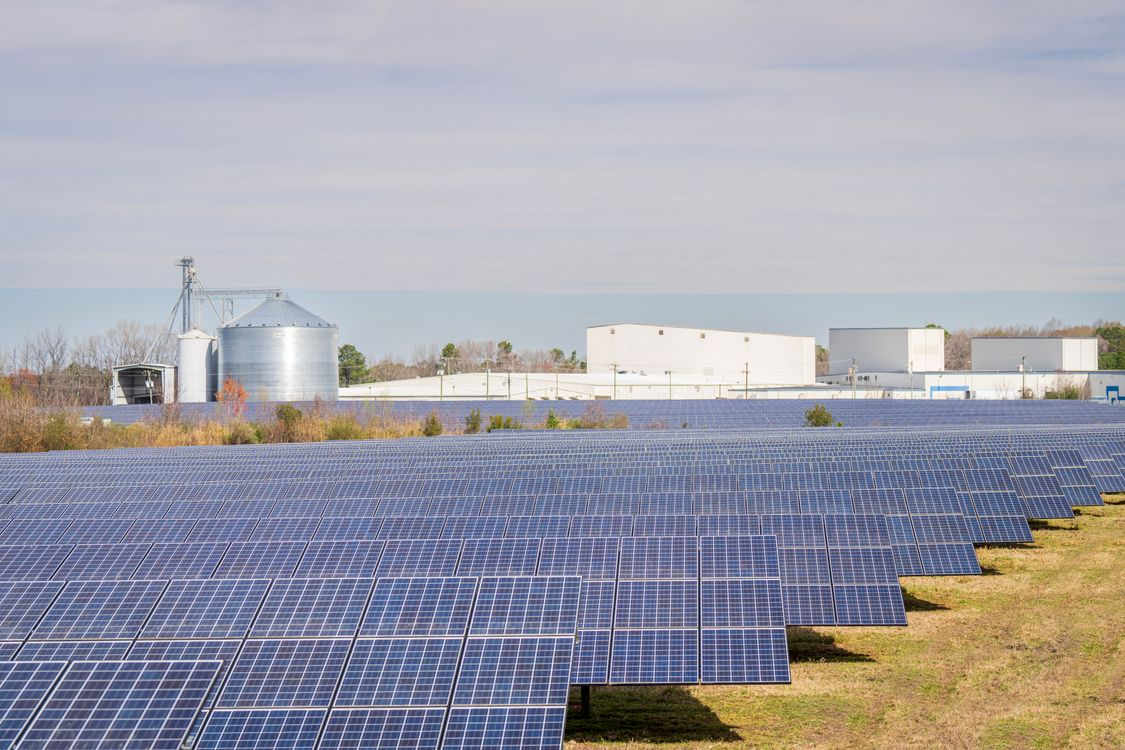
WIRSOL is preparing construction of a photovoltaic park and battery installation at Parensen in Lower Saxony, Germany. The project combines 9.435MWp of solar generation with 15.045MWh of storage on land near Nörten-Hardenberg, north of Göttingen.
The scheme comprises 39 individual photovoltaic installations, each rated at approximately 242kWp, across a site of roughly 11 hectares. Construction is planned to begin in October 2026, but the planned start does not establish that on-site works have already been completed.
A sequence of separate completion milestones governs the project. The direct-current side is scheduled for completion in December 2026, followed by full commissioning and connection to the public electricity network in the second quarter of 2027. The December milestone should not be confused with permission to export commercially.
The photovoltaic systems are intended for individual ownership, while storage is integrated into the wider development. Investors will acquire a particular generating installation and receive contractual rights to use a defined share of battery capacity over a 20-year period. This creates separate commercial interests within one electrical project.
Canadian Solar is supplying modules, while Huawei FusionSolar technology has been selected for inverters and battery equipment. The finished design must combine module strings, power conversion, storage control, isolation, protection and metering before electricity can be delivered through the agreed network connection.
Photovoltaic cells produce direct current that changes with irradiation and temperature. Inverters convert that electricity to alternating current at the required frequency and control output within their electrical operating limits. The battery adds the ability to retain some energy and dispatch it later, subject to available charge.
The 15.045MWh rating measures stored energy rather than instantaneous power output. The storage system’s maximum discharge duration cannot be established without the associated megawatt rating, allowable operating range and conversion losses. Storage does not create additional solar electricity; it changes the times at which some generated energy may be used.
The developer forecasts approximately 9,560MWh of annual photovoltaic generation. This is a modelling estimate, not production already measured at Parensen. Actual output will vary with weather, temperature, equipment performance and any limitations imposed by the network operator.
A shared storage installation can absorb output during periods of high solar production and deliver electricity later. Its dispatch must nevertheless respect the electrical ratings of the equipment and the shared connection, regardless of how many individual owners have contractual access to the system.
The relationship between the 39 owners and the central storage equipment requires dependable metering and settlement arrangements. Allocation of battery capacity in contracts does not mean 39 users can all demand its full physical output simultaneously. Dispatch rules must account for the plant’s available energy and power limits.
Operating a mixed ownership structure also creates maintenance dependencies. Work on common electrical infrastructure can affect several installations, while maintenance of a particular photovoltaic array need not always require withdrawal of every other generating unit. The effect depends on the installed switching and isolation arrangements.
Protection and control equipment must coordinate the generating systems with storage and the grid connection. The final installation will require verification of the behaviour of its inverters, isolation devices and network interfaces under normal operation and specified fault conditions.
WIRSOL will provide technical and commercial operational management following construction. Its responsibilities will include maintaining the generating assets and managing the combined installation, although individual contractual rights and the full commercial dispatch arrangements have not been published in detail.
The site represents WIRSOL’s fourth ground-mounted solar and battery development. Its particular feature is the combination of a single integrated project with multiple separately owned photovoltaic systems, rather than a novel type of battery chemistry or a claim of continuously dispatchable solar output.
The grid connection remains a decisive engineering milestone. Equipment on the direct-current side can be mechanically and electrically complete while the wider installation still requires AC integration, grid tests and final authorisation before supplying power.
The distinction between module installation and commercial operation also affects performance reporting. Construction-stage inspections can establish whether components have been installed in accordance with their specifications, whereas operating performance requires a functioning connection, metered energy export and sufficient operating history. These are different kinds of evidence, and the project has not yet reached the final stage.
Parensen’s defining commercial feature will require individual owners’ generating output and shared access to the battery to be accounted for within one integrated system. Commissioning must therefore verify the common grid interface alongside the allocation and metering arrangements. WIRSOL is targeting the second quarter of 2027 for full AC commissioning and connection, after its planned December DC milestone.