IN Brief:
- Danske Commodities will optimise 100% of BW ESS's 200MW/857MWh Berkswell battery under an agreement lasting ten years.
- The contract uses a floor structure, although the floor level and detailed revenue sharing terms have not been disclosed.
- Berkswell is under construction near Solihull and is expected to become operational in the fourth quarter of 2027.
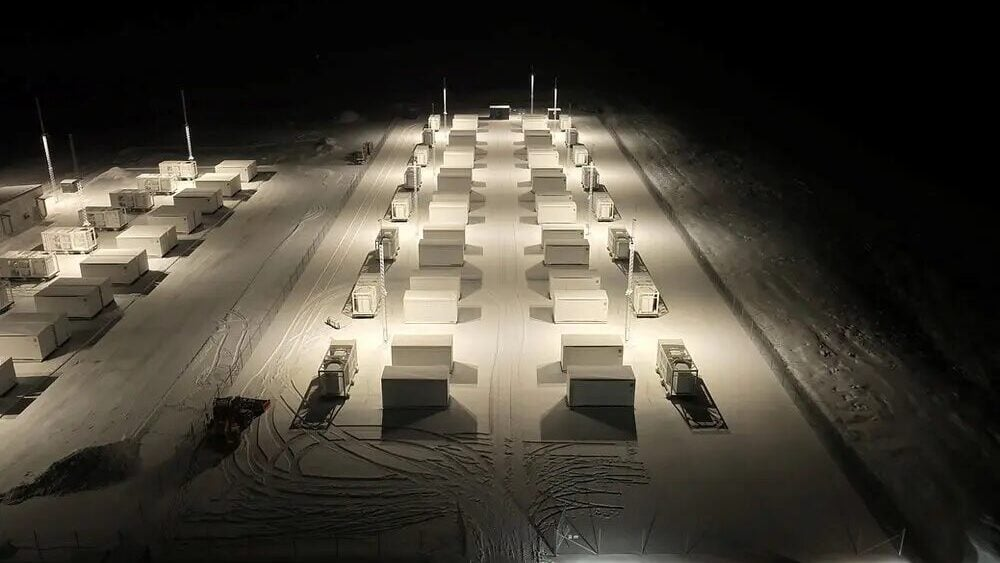
BW ESS has appointed Danske Commodities to provide trading and optimisation services for the full 200MW/857MWh Berkswell battery storage project near Solihull under an agreement lasting ten years.
The contract covers 100% of the asset and establishes a commercial framework ahead of operation, which BW ESS expects in the fourth quarter of 2027. The companies have not disclosed the floor level, revenue sharing arrangement, or detailed risk allocation, so the agreement should not be treated as a fully disclosed tolling structure.
Optimisation determines how the physical flexibility of a battery is converted into market revenue. Berkswell will be able to charge, discharge, or hold capacity in reserve, but each decision affects the state of charge available for the next trading interval. Wholesale prices, balancing market conditions, ancillary service requirements, and expected future opportunities therefore have to be assessed together rather than as separate revenue streams.
A floor agreement can provide a degree of downside protection by placing a contractual minimum beneath defined revenues, depending on its terms. The commercial effect at Berkswell cannot be quantified from the information released because BW ESS and Danske Commodities have not published the calculation method or the allocation of merchant upside above the floor.
Danske Commodities will take the trading and optimisation role for the entire project. The Equinor owned energy trader operates across international power and gas markets, giving Berkswell access to an established trading operation once the battery has completed construction, connection, and commissioning.
The project’s 857MWh energy capacity is more than four times its 200MW power rating, placing it in the multi hour segment of the UK battery market. In simple terms, the stated capacity would support maximum output for slightly more than four hours, although actual operation will be affected by usable limits on state of charge, conversion losses, auxiliary consumption, and the services being delivered at the time.
That duration increases the range of dispatch choices available to the optimiser. A short duration battery can respond very rapidly to frequency and balancing instructions, but it has less energy available for sustained discharge. Berkswell can combine rapid response with longer energy shifting, allowing the optimiser to consider price spreads that extend across several hours rather than only brief system events.
The battery is already under construction. Earlier construction coverage of Berkswell reported that the project will connect at 275kV and use 120 Sungrow PowerTitan 3.0 units. The new optimisation agreement is a separate commercial milestone and does not replace the physical delivery work already under way.
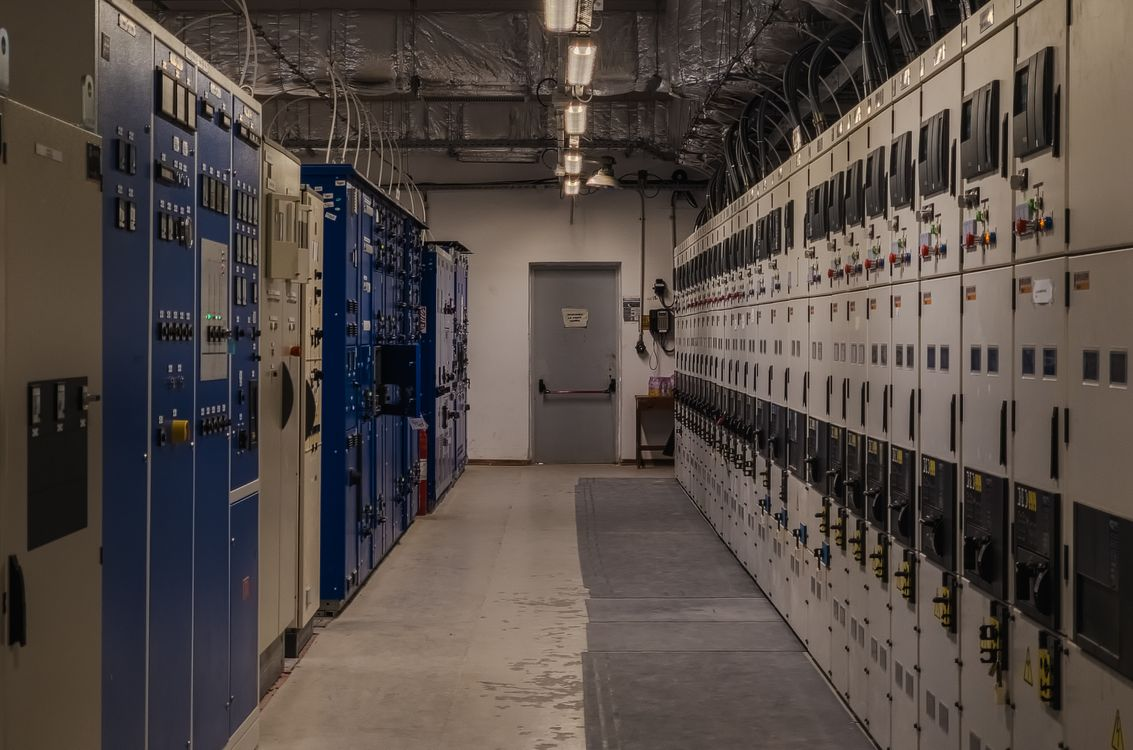
Connection and commissioning determine when the trading contract can become operational. Battery containers store DC energy, while the grid operates in AC, so power conversion equipment controls bidirectional energy flow between the cells and the network. Transformers, switchgear, protection systems, and plant controls then have to integrate the battery with the 275kV connection.
At that voltage, the project has to meet network requirements associated with a major transmission connection rather than those of a small distribution asset. Protection settings, fault behaviour, voltage performance, and plant controls have to be demonstrated during commissioning before commercial dispatch can begin.
The project is expected to use Sungrow’s PowerTitan 3 technology. BW ESS identifies the equipment in its current Berkswell announcement, although detailed operating guarantees, usable energy limits, and augmentation strategy have not been disclosed publicly. Those parameters will influence how aggressively the optimiser can cycle the system over the ten year contract period.
Battery degradation is part of that calculation. Repeated charging and discharging gradually reduces usable cell capacity, with ageing affected by depth of discharge, temperature, charging rate, and time spent at different states of charge. An optimiser therefore has to consider the physical cost of cycling alongside the revenue available from each market opportunity.
BW ESS developed Berkswell from greenfield origination and co-owns it with AIP Management. The project forms part of a wider UK portfolio that also includes Bramley and Hams Hall, with BW ESS responsible for construction and operations across the partnership assets.
Commercial structures differ between projects because owners can choose how much market risk to retain. A floor arrangement covering several years can make future cash flows more predictable than a wholly merchant strategy while still allowing some exposure to trading upside, depending on the contract design. Berkswell’s detailed balance between those elements remains confidential.
Construction is therefore still the immediate project constraint. Danske Commodities now has the mandate to optimise 200MW/857MWh once the asset is available, but revenue cannot be generated until the battery systems, 275kV connection, protection, and controls have been installed and commissioned. The agreement defines the market route; physical completion remains the next major delivery test.