IN Brief:
- Applied Digital has entered an agreement providing access to up to 1GW of potential power capacity in Finland.
- Initial power availability is anticipated from 2028, with the campus intended to scale towards 1GW subject to further development and commercial milestones.
- Finnish transmission planning is already responding to data centre projects with nearly 5GW of planned final capacity under signed connection agreements.
Applied Digital has entered an agreement providing access to up to 1GW of potential power capacity in Finland, creating the US data centre developer’s first development opportunity outside the United States.
The company plans to develop a large AI data centre campus capable of scaling towards 1GW, with initial power availability anticipated from 2028. Applied Digital says it has begun marketing the opportunity to hyperscale customers, but it has not announced an energised 1GW connection or a customer commitment requiring the full capacity.
The distinction between potential capacity and connected load is substantial in a power system facing a rapid increase in large connection requests. A development site can have a route towards future capacity while further commercial agreements, grid studies, equipment procurement, and construction remain necessary before that electricity can be supplied.
Applied Digital also states that future investment and development decisions will depend on customer demand and completion of commercial, regulatory, and development milestones. The announcement therefore establishes a potential Finnish campus and power position rather than a completed grid connected project.
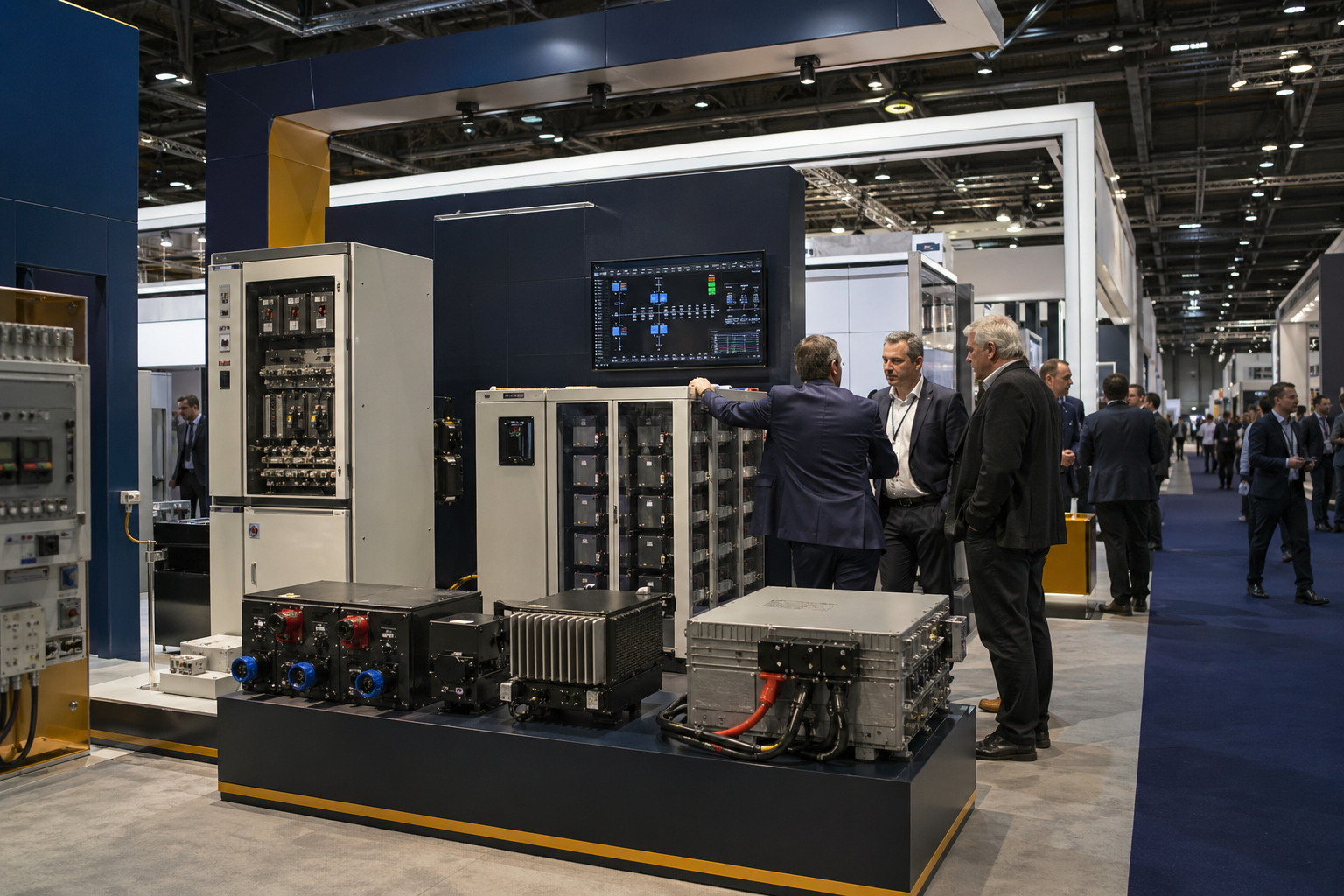
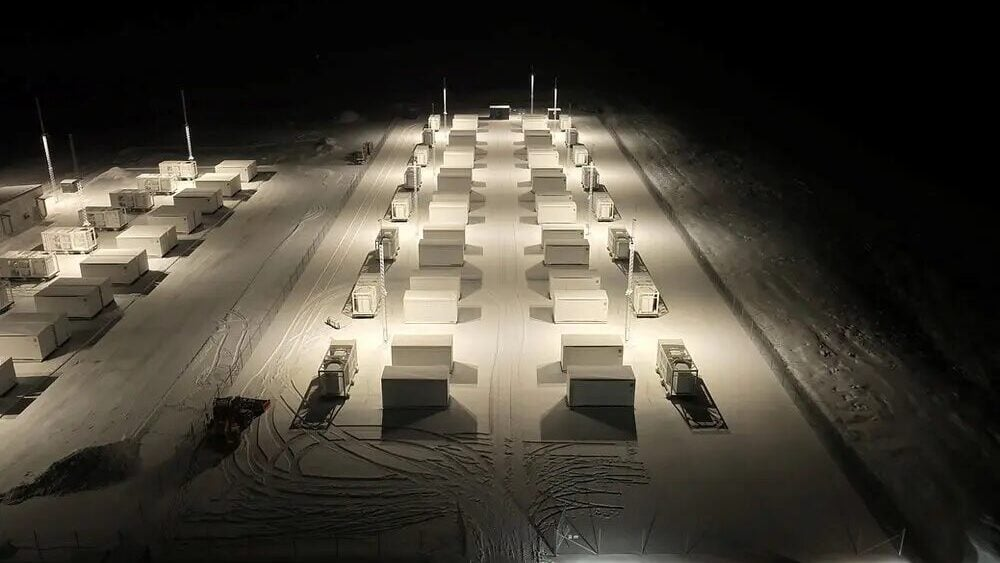
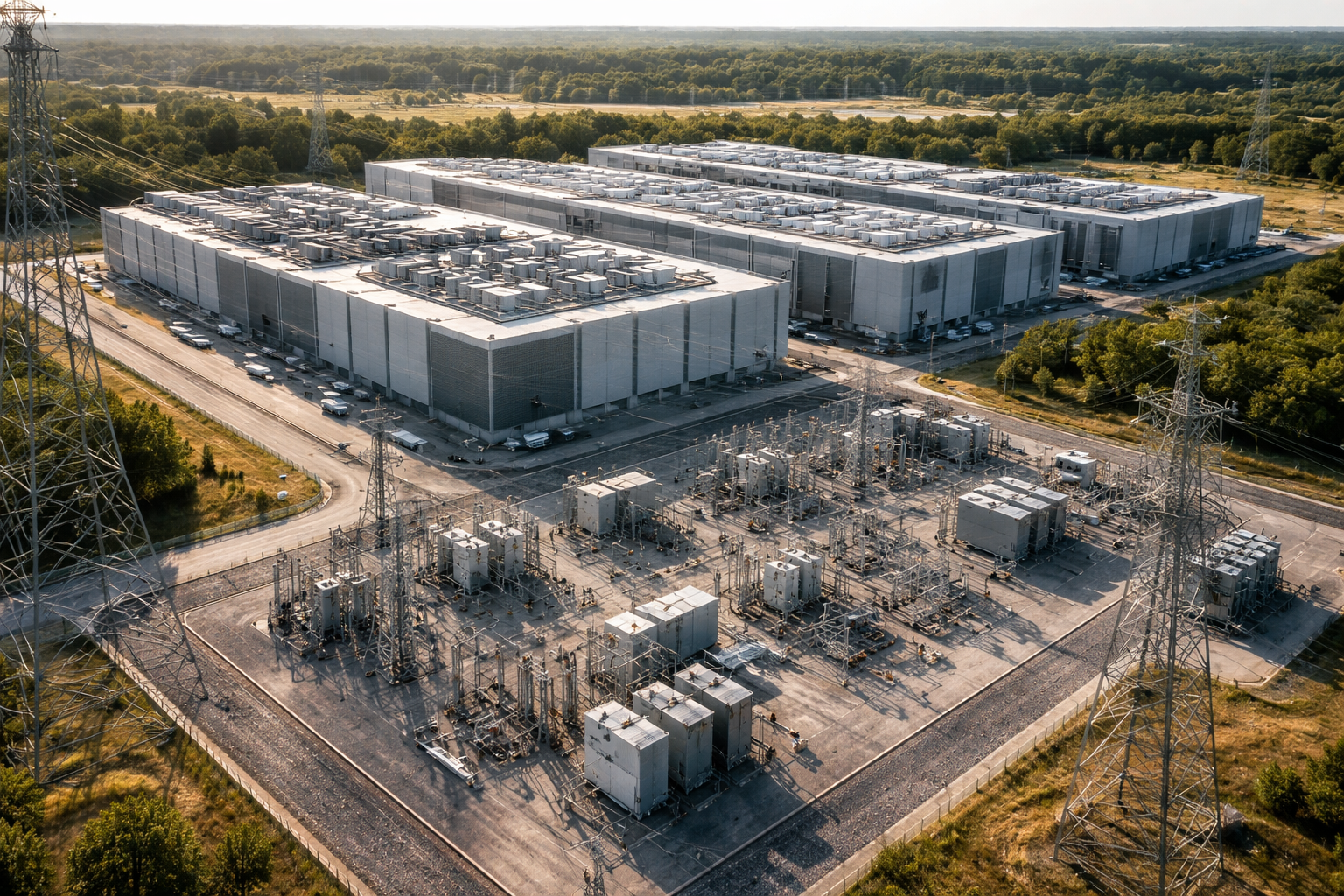
A development approaching gigawatt scale would nevertheless become a major electrical load. Beyond the server halls themselves, a campus at that scale would require substantial substation, transformer, switchgear, protection, control, and cooling infrastructure, together with sufficient upstream network capacity to supply the site reliably.
High performance computing and AI facilities can concentrate large amounts of electrical demand at a single location. Their connection therefore has to be assessed against network thermal limits, voltage behaviour, protection arrangements, and the effect of disturbances rather than being treated as an ordinary commercial building load.
Finland’s transmission operator Fingrid is preparing new technical requirements for precisely this class of demand. Its proposed KJV2026 grid code applies significant system requirements to demand facilities above 30MW, including data centres, electric boilers, and electrolysers.
The draft requires large demand facilities to remain connected through specified grid disturbances and to have the capability to limit their power intake. Fingrid is targeting March 2027 for confirmation and entry into force of the new requirements following consultation and regulatory approval.
Those measures respond to a connection pipeline that is already expanding rapidly. Fingrid said in August that data centre projects with signed connection agreements had a planned final combined capacity of nearly 5GW, including developments connecting through distribution networks.
A signed connection agreement does not mean all of that load will materialise. Fingrid has explicitly cautioned that projects may not be built to their full announced scale, which is an important qualification when comparing Finland’s data centre pipeline with existing electricity demand.
The geography of new load is also becoming a transmission planning issue. More than 70% of Finnish electricity generation is located along the west coast and in the north, while more than half of consumption occurs in the south. Large new consumers can therefore create substantially different network consequences depending on where they connect.
Fingrid published analysis in September indicating that placing location flexible industrial demand closer to generation could increase the overall connection capacity available from its planned transmission investment programme by as much as 20GW. Shorter electrical distances between generation and consumption can reduce the amount of power that has to be transported across heavily used parts of the grid.
Applied Digital has not disclosed the precise Finnish site or the counterparty to its power capacity agreement. The local voltage level, network operator, and reinforcement requirements therefore remain unknown, preventing a detailed assessment of how much new grid infrastructure the proposed campus would require.
Other Finnish data centre projects show how quickly electrical scopes can escalate. atNorth has secured an initial 75MW connection for its Salo campus, with a route towards 230MW, while Caverion has a €15m contract to provide a 70MW substation for a second Nebius data centre at Mäntsälä.
Those projects are unrelated to Applied Digital, but their electrical scopes show how Finland’s data centre expansion is moving into network infrastructure measured in tens and hundreds of megawatts. A project eventually approaching 1GW would sit at another order of magnitude again.
Applied Digital’s current portfolio remains concentrated in the United States, where it develops large infrastructure for AI and high performance computing workloads. The company describes Finland as a measured first international development opportunity while maintaining its existing US programme.
Initial power availability from 2028 gives the Finnish proposal a target starting point rather than a completed delivery schedule. Converting the opportunity into a functioning campus will depend on customer commitments, the local connection arrangement, equipment procurement, construction, and the ability of the relevant networks to accommodate each phase of load as it comes forward.