IN Brief:
- All 14 foundations at the 63MW Clashindarroch II wind farm were completed in 11 weeks.
- The pours used 11,256m³ of concrete containing at least 25% pulverised fuel ash and around 1,190 tonnes of recycled reinforcing steel.
- Fourteen Vestas V136-4.5MW turbines will be installed before first electricity is expected in summer 2027.
Vattenfall has completed all 14 turbine foundations at its 63MW Clashindarroch II wind farm in Aberdeenshire, finishing the concrete programme in 11 weeks ahead of turbine installation.
The foundations contain a combined 11,256m³ of concrete and approximately 1,190 tonnes of recycled reinforcing steel. Each foundation used around 85 tonnes of reinforcement, while the concrete contains at least 25% pulverised fuel ash in place of part of the Portland cement content.
Vattenfall estimates that the revised concrete mix reduces embodied carbon by between 20% and 30% per cubic metre compared with its conventional Portland cement-based baseline. The reduction relates to the concrete material rather than the complete wind farm or foundation structure.
The first pour took place on 30 June and the remaining 13 foundations followed over the next 11 weeks. Concrete was produced through a temporary batching facility established at the site, reducing the distance ready-mixed material had to travel and giving the construction team more control over supply during large continuous pours.
A wind turbine foundation has to transfer vertical and lateral forces from the tower into the ground while resisting the overturning moment created by wind acting across the rotor and structure. Those loads vary continuously during operation, particularly as wind speed and turbine output change.
Concrete provides the compressive mass needed to distribute those forces, while the reinforcement cage carries tensile stresses that concrete alone cannot accommodate effectively. The tower interface must also be installed within tight tolerances so the turbine sections can later be assembled accurately above the completed base.
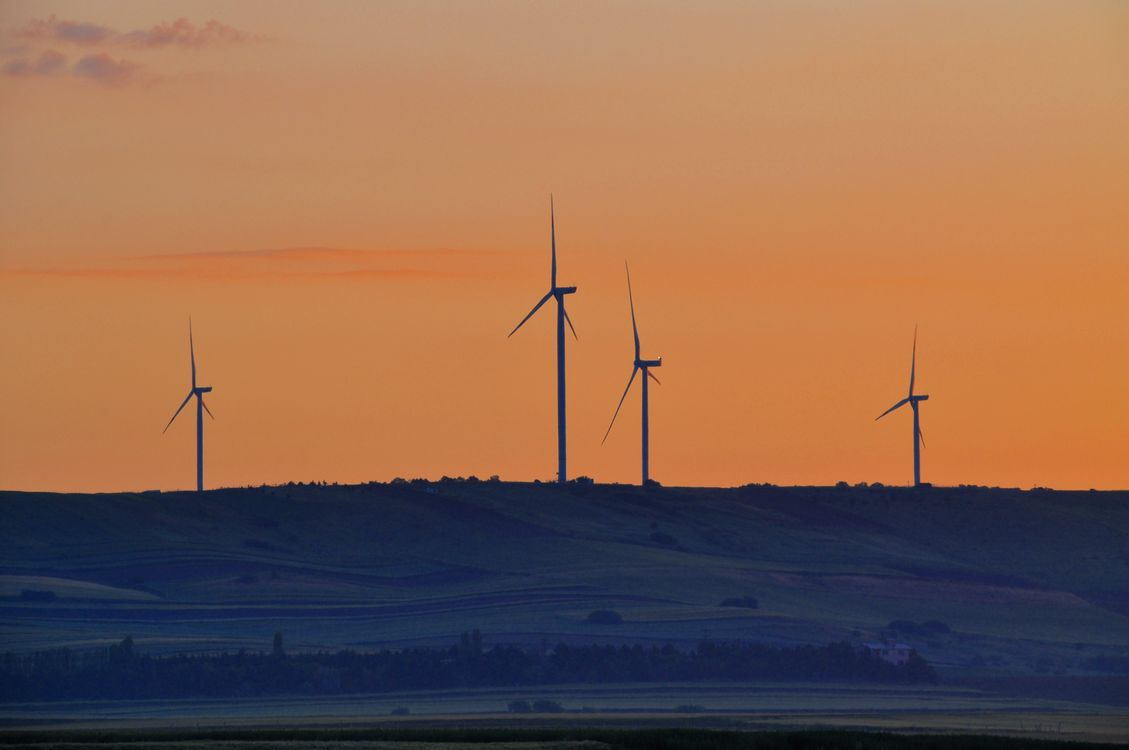
Clashindarroch II will use 14 Vestas V136 machines rated at 4.5MW each, producing the project’s 63MW total installed capacity. Vattenfall placed the turbine order earlier this year alongside a 30-year service agreement covering the operating fleet.
The V136 uses a 136-metre rotor and belongs to an established generation of Vestas onshore machines rather than the larger turbines increasingly deployed offshore. Matching the machine to the site involves balancing rotor size, rated power, wind conditions, transport constraints and the structural loads carried by the tower and foundations.
Materials changes are also being applied above ground. Vattenfall and Vestas plan to use lower-emission steel in parts of the turbine towers, produced from scrap in an electric arc furnace powered by wind electricity. Vattenfall expects the selected material to reduce the tower steel carbon footprint by 36% against its conventional baseline.
Concrete and steel account for substantial portions of the material used before an onshore wind farm begins generation. Cement production contributes heavily to the embodied emissions of concrete, while conventional primary steel production requires large quantities of energy and reducing agents.
Replacing part of the cement with pulverised fuel ash lowers the quantity of Portland cement required while retaining the engineering properties specified for the foundation mix. The approach still uses cement and therefore does not remove the embodied emissions associated with concrete production.
Recycled reinforcement and electric arc furnace steel address a different part of the material footprint. Scrap can be remelted instead of producing the full steel content from virgin iron ore, although the resulting emissions still depend on the electricity supply, alloy requirements and manufacturing route.
The temporary batching plant also altered construction logistics. Individual turbine foundations require hundreds of cubic metres of concrete, and a large pour has to proceed in a controlled sequence to maintain the required structural quality. Producing concrete at the wind farm reduces exposure to journey times from distant commercial plants and the number of long-distance mixer movements required.
Clashindarroch II is being built next to Vattenfall’s existing Clashindarroch wind farm near Huntly. Final investment decision was taken in September 2025, with preparatory works beginning later that year before the main civil programme moved forward during 2026.
Completion of the foundations clears one of the principal dependencies ahead of turbine erection. Towers, nacelles, hubs and blades still have to be transported to site and installed, while the underground electrical collection network, substation and grid connection must be completed before the machines can export power.
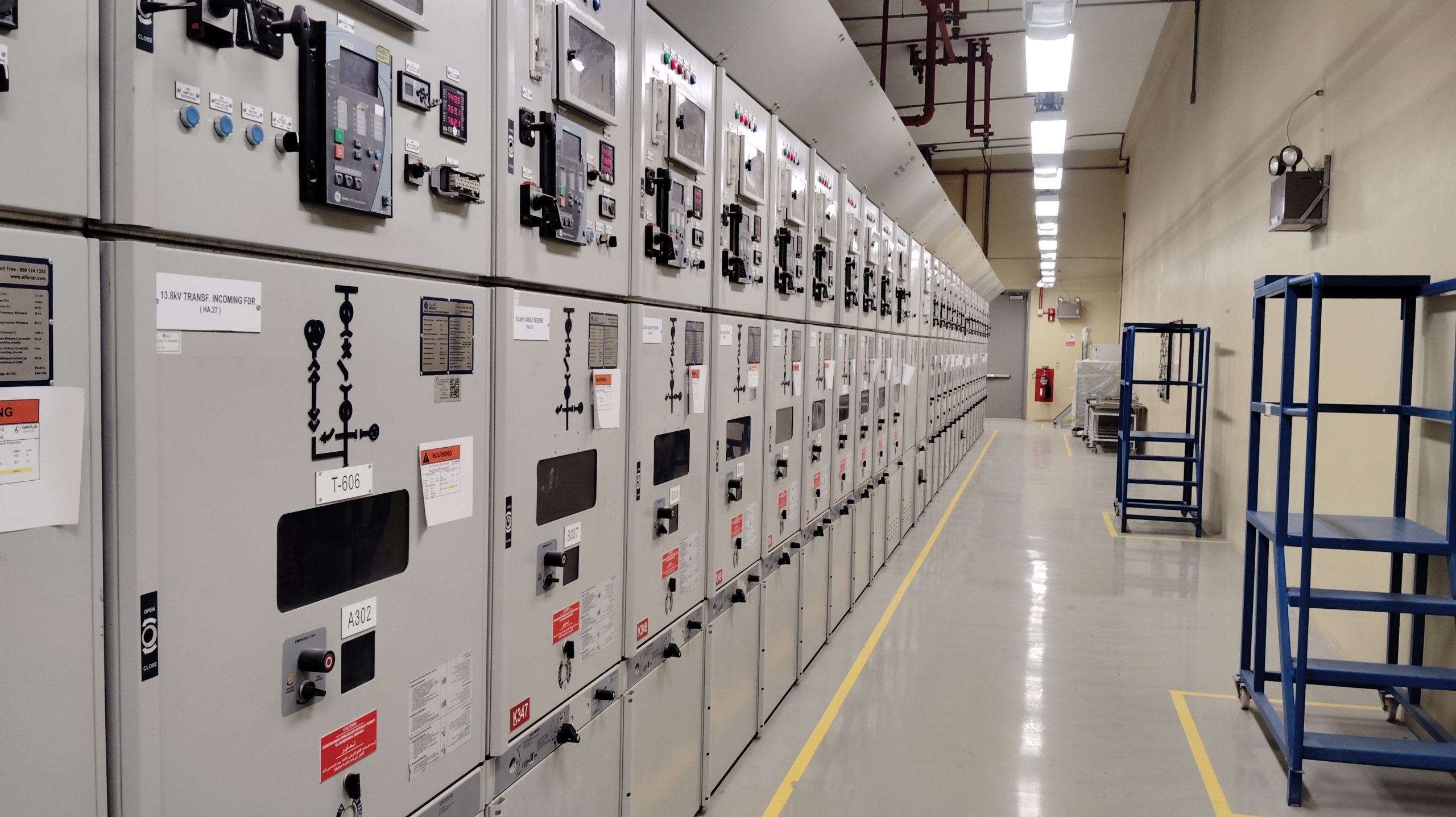
The collection system will combine the output from the 14 generators and transfer it through the project electrical infrastructure to the network connection. Protection and control systems must then be tested alongside the turbines before generation can move from individual commissioning runs into normal operation.
Vattenfall estimates that Clashindarroch II could generate electricity equivalent to the annual consumption of around 61,500 UK homes, based on its stated production assumptions, while avoiding approximately 90,800 tonnes of carbon dioxide emissions each year.
First electricity is expected in summer 2027. The programme now moves from the completed foundation works into turbine erection and electrical installation, followed by testing and commissioning of the 63MW wind farm.