IN Brief:
- Doble Engineering and Megger have completed their combination under ESCO Technologies following the acquisition of Megger Group.
- Megger adds portable offline testing and field instrumentation to Doble’s substation diagnostics, monitoring, laboratory and analytics capabilities.
- Integration work now begins across the two businesses while existing products and customer services continue.
Doble Engineering and Megger have completed their combination under ESCO Technologies, bringing portable electrical testing, substation diagnostics, continuous monitoring, analytical software and engineering services into the same utility equipment group.
The transaction closed on 1 October following ESCO Technologies’ acquisition of Megger Group from TBG AG. Megger now sits within ESCO’s Utility Solutions Group alongside Doble, with integration work beginning across the two businesses while their existing customer services continue.
ESCO agreed the acquisition in April for consideration valued at $2.35 billion at announcement, comprising $900 million in cash and approximately $1.4 billion of ESCO equity. The deal substantially expands the group’s electrical testing and asset condition portfolio as well as its reach outside North America.
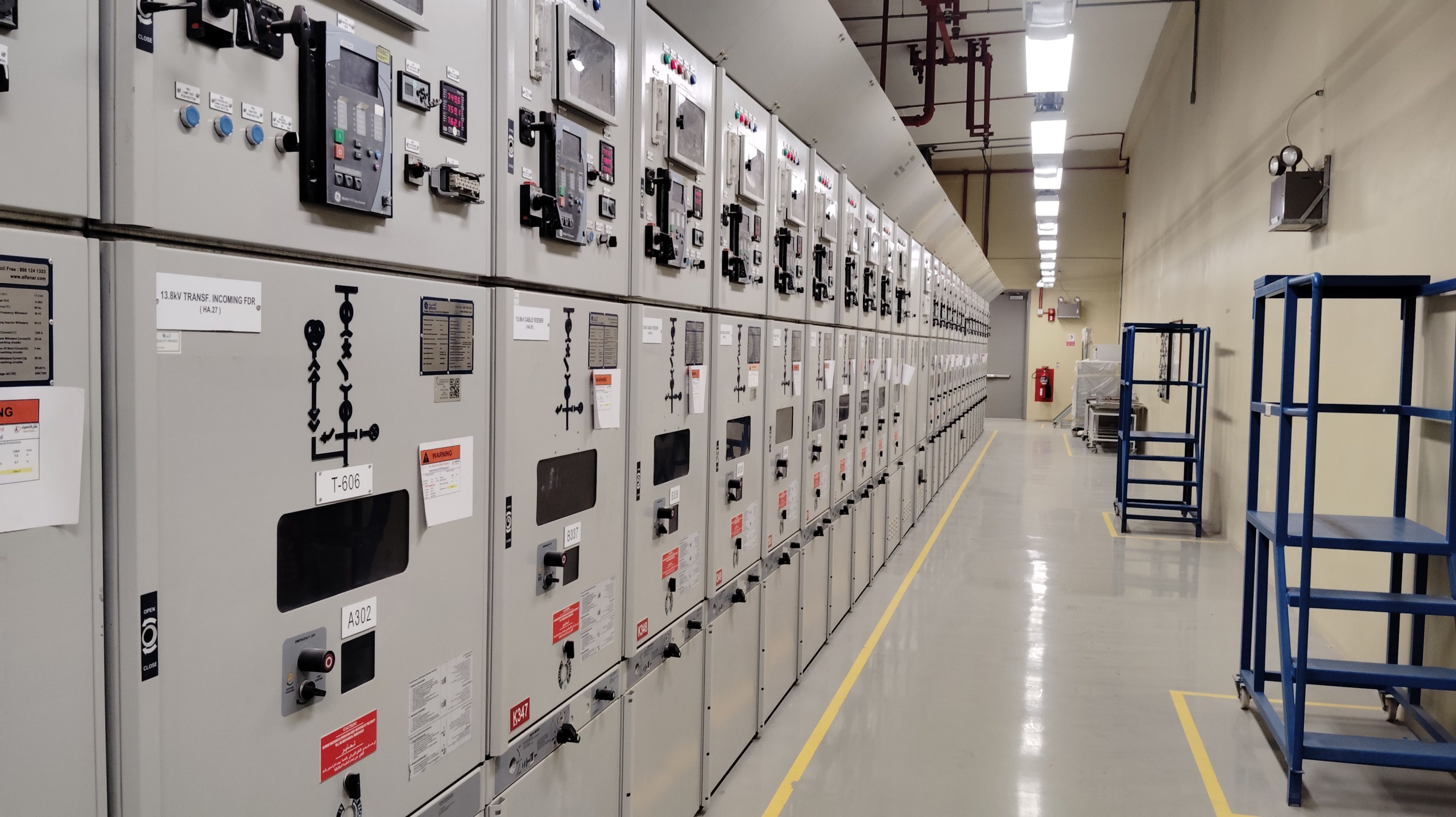
The technical overlap is strongest around the way utilities inspect and diagnose transformers, switchgear, cables, protection systems and other network assets. Megger has a broad range of portable field instruments and offline test equipment, while Doble has a larger presence in substation diagnostics, continuous monitoring, laboratory analysis and software used to interpret asset condition.
Offline testing captures measurements while equipment has been isolated or placed into a controlled test condition. Depending on the asset, engineers may examine insulation resistance, winding behaviour, dielectric condition, contact resistance, relay operation or cable performance before returning equipment to service.
Those measurements provide detailed information at a particular point in time. Continuous monitoring takes a different approach by collecting condition data while equipment remains energised, allowing changes to be tracked between scheduled maintenance intervals.
Transformer monitoring provides one example. Dissolved gas analysis can identify gases produced by overheating, electrical discharge or insulation degradation inside the transformer, while partial discharge monitoring can detect localised electrical activity that may indicate deterioration within insulation systems.
A single measurement rarely provides a complete diagnosis on its own. Engineers compare results with previous tests, operating history, loading, equipment type and other condition indicators before deciding whether an asset requires further investigation, maintenance or replacement.
Combining portable tests with permanent monitoring extends the amount of information available across that process. A transformer may undergo electrical winding tests during an outage, operate under continuous gas monitoring after returning to service and later require oil laboratory analysis if the monitoring system detects an abnormal trend.
Doble already combines several of those functions through businesses acquired over previous years. Its group includes TECHIMP for partial discharge technology, ISA and Vanguard Instruments for electrical testing, Phenix Technologies for high-voltage and high-current equipment and Morgan Schaffer for transformer dissolved gas analysis and laboratory services.
Megger adds another range of field instruments covering insulation and resistance testing, circuit breakers, transformers, protection relays, cables, batteries and low-voltage installations. Those products are widely used during commissioning, periodic maintenance and fault investigation across generation, transmission, distribution and industrial electrical systems.
The combined portfolio consequently spans several stages of an asset’s operating life. Test equipment can be used during manufacture and commissioning, portable instruments can assess condition during planned outages, permanent monitors can track behaviour in service and laboratory or analytical systems can investigate abnormal results.
Protection testing sits slightly apart from physical condition monitoring but remains part of the same maintenance environment. Relays have to detect faults and issue the correct trip commands within defined operating times, requiring secondary injection and functional testing to confirm that settings, logic and outputs perform as intended.
High-voltage assets impose different diagnostic requirements. Transformer insulation, circuit-breaker mechanisms, power cables and protection systems fail through different mechanisms, so a single testing method cannot provide a common condition assessment across an entire substation.
The merged group will therefore have to integrate data and software as well as hardware. Portable instruments, permanent monitors and laboratory systems have historically generated information through separate platforms, making compatibility and asset identification important if results are to be compared over time.
Consistent asset records would allow engineers to place a new measurement beside earlier offline tests, operating trends and laboratory results without rebuilding the equipment history manually. Whether that level of integration is achieved will depend on future product and software work rather than the legal completion of the acquisition itself.
The transaction also changes the geographic balance of ESCO’s utility business. Doble has an established position in North America, while Megger brings a substantial presence across Europe, the Middle East, Africa and Asia alongside its existing North American operations.
Utilities are simultaneously adding large volumes of new electrical infrastructure while maintaining transformers, cables and substations that may have been operating for several decades. Condition information helps determine where maintenance can extend service life and where deterioration warrants intervention, particularly when replacement transformers or other large components have long procurement lead times.
Testing does not remove those engineering judgements. Measurements have to be interpreted against equipment design, age, loading and fault consequences, while an apparently stable condition does not guarantee that an asset can remain in service indefinitely.
Doble and Megger have not announced the removal of either brand or a completed integration of their product ranges. Existing customer commitments and services are continuing while ESCO begins combining the organisations.
The next phase therefore lies in how far their testing, monitoring and analytical systems can be connected in practice. The acquisition places the equipment and expertise under one parent company; integrating the resulting data across transformers, switchgear, protection and cable assets is the engineering task that follows.