IN Brief:
- Copenhagen Infrastructure Partners has taken final investment decision on the 350MW/1,400MWh Kilmarnock South BESS.
- More than €270 million is being committed to the four-hour lithium-ion storage project in South Ayrshire.
- Construction is under way and commercial operation is planned for the first quarter of 2028.
Copenhagen Infrastructure Partners has taken final investment decision on the 350MW/1,400MWh Kilmarnock South battery energy storage project in South Ayrshire, committing more than €270 million as construction progresses.
The lithium-ion system will combine 350MW of charge and discharge power with 1.4GWh of stored energy, allowing four hours of continuous operation at full rated output. Commercial operation is scheduled for the first quarter of 2028.
Kilmarnock South is being developed through Copenhagen Infrastructure IV, CIP’s fourth flagship infrastructure fund. Noriker Power originated the project and continues to provide engineering and construction management services as delivery moves beyond development and financing.
The site near Craigie has presented an unusual civil engineering problem because of its sloping ground and existing overhead power lines. Rather than creating one large level platform, the battery equipment is being arranged across terraces integrated into the site topography.
The consented scheme includes battery enclosures, power conversion equipment, transformers, substation buildings, access roads, drainage, ponds, fencing and landscaping. Planning records show that the application was submitted in November 2022 and consented in January 2024.
At 350MW, the project’s power rating defines how quickly electricity can move into or out of the battery. The 1,400MWh energy capacity determines how long that power can be sustained, producing the four-hour duration that distinguishes Kilmarnock South from shorter systems designed principally around rapid balancing and frequency response.
A four-hour battery can absorb electricity through a longer period of high renewable output and discharge across an extended demand peak without requiring a larger grid connection. Increasing duration adds battery energy capacity behind the same 350MW network interface rather than increasing the maximum instantaneous power exchanged with the system.
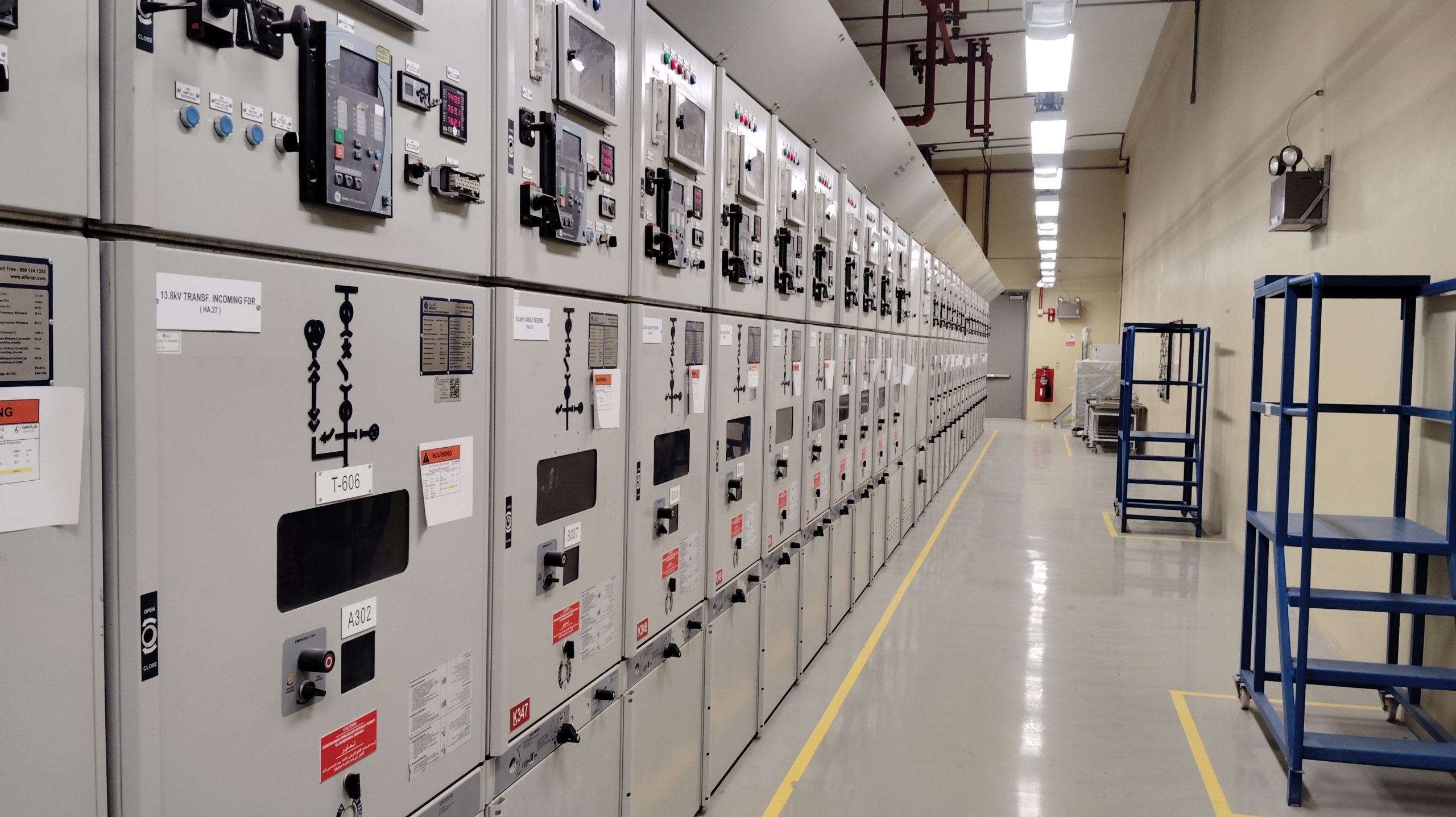
The cells themselves operate on direct current, so bidirectional power conversion systems are required between the battery strings and the alternating-current network. Transformers then raise the converter output through the project electrical system before power reaches the grid connection, with protection and control equipment coordinating the installation as one dispatchable asset.
Those systems must work in both directions. During charging, converters draw AC power from the network and supply controlled DC current to the batteries. During discharge, the process reverses, with stored DC energy converted back into AC at the required voltage and frequency.
Thermal management and battery condition influence how much of the installed energy capacity remains usable over the life of the project. Lithium-ion cells generate heat during operation and gradually lose capacity through cycling and calendar ageing, placing cooling, battery management and operating strategy alongside the headline megawatt and megawatt-hour ratings.
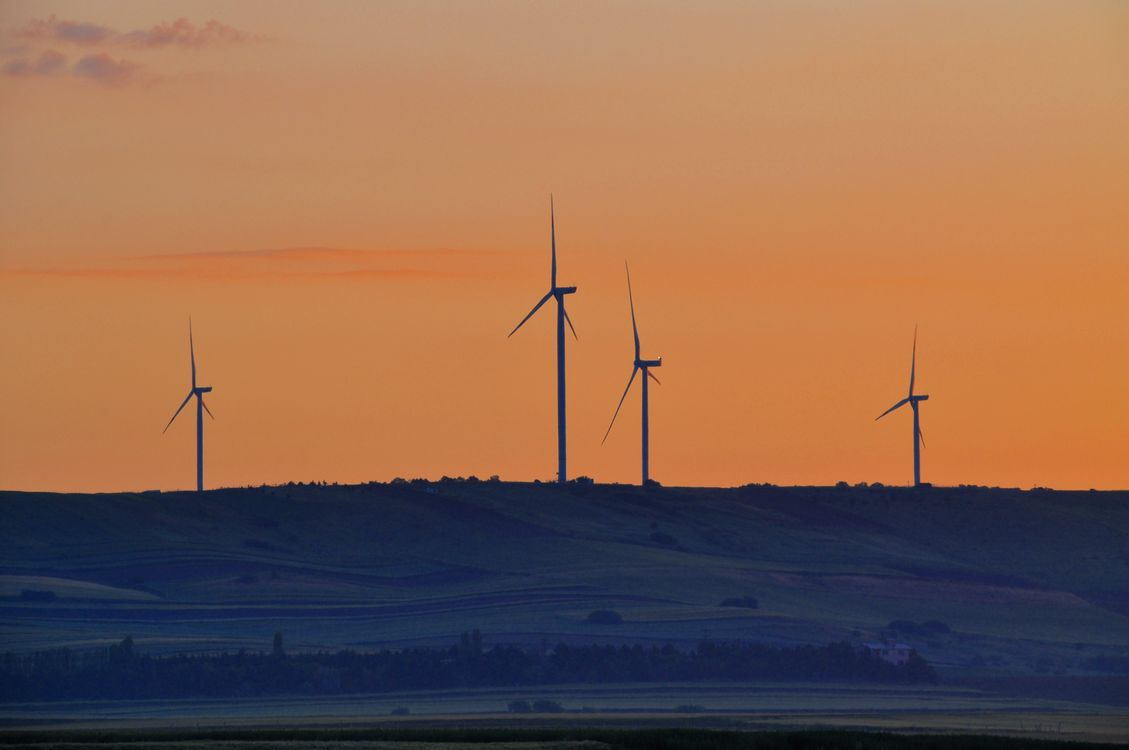
Kilmarnock South is being built within a Scottish system that already accommodates large volumes of wind generation. Wind output can exceed local demand during favourable conditions, while transmission capacity determines how much electricity can move south towards larger consumption centres.
A battery does not remove those transmission constraints or create additional energy. It changes the timing of flows by acting as a controllable load while charging and a controllable source while discharging. Where market and network conditions align, that gives operators another way to absorb generation at one point in time and release it later.
The project also has a confirmed grid connection intended to bring it into service before 2030. Its high-voltage substation and connection infrastructure therefore have to advance alongside the battery installation, with commissioning dependent on both the storage plant and the network interface being complete.
Noriker’s terraced layout has to accommodate that electrical equipment as well as the battery containers. Cable routes, transformer positions, drainage and maintenance access must operate across different levels without compromising clearances around the existing overhead lines.
Final investment decision moves the project past another major delivery threshold. Planning consent and grid access establish whether the scheme can be built and connected, while FID commits the capital required to purchase equipment and complete construction.
The €270 million commitment covers a project whose energy capacity is four times its power rating. That ratio allows each megawatt of connection capacity to sustain export for four hours, giving the scheme a different operating profile from the shorter-duration batteries that entered the UK market during earlier phases of storage deployment.
Construction will continue through 2027 before testing and commissioning ahead of commercial operation in the first quarter of 2028. Once complete, Kilmarnock South will provide 350MW of battery power with enough stored energy to maintain that output for four hours.