IN Brief:
- GC0186 proposes further Grid Code changes following implementation work for the Electricity System Restoration Standard.
- Proposed requirements cover Regional Restoration Plans, transmission-owner treatment, network switching capability, testing, and data obligations.
- NESO classifies the modification as high impact for transmission system operators, transmission owners, network operators, and generators.
National Energy System Operator is consulting on further Grid Code changes intended to refine Great Britain’s electricity-system restoration arrangements following implementation work for the Electricity System Restoration Standard. Modification GC0186 covers regional restoration planning, transmission-owner responsibilities, network switching, testing and data requirements.
The proposal follows GC0156, which introduced Grid Code changes required to implement the restoration standard. The ESRS requires sufficient capability to restore 60% of regional electricity demand within 24 hours and 100% of Great Britain’s demand within five days following a partial or total shutdown of the national transmission system.
GC0186 does not change those headline restoration targets. It addresses operational and drafting issues identified as the earlier arrangements moved into implementation, turning the wider standard into more detailed requirements for the organisations and equipment expected to rebuild an electricity system after a major outage.
NESO lists the modification as being at Workgroup Consultation stage and classifies it as high impact for transmission system operators, transmission owners, network operators and generators. Efficiency, harmonisation, system operability and transparency are identified as the principal drivers.
One of the central proposals is the introduction of Regional Restoration Plans. Existing arrangements already describe local restoration activity, but a widespread shutdown requires several local areas to be brought together progressively as sufficient generation, transmission capacity and stable electrical conditions become available.
A regional plan provides another layer between individual restoration zones and wider recovery of the interconnected system. That matters because energising equipment locally is only the first stage: separate restored sections eventually have to be expanded, coordinated and synchronised without destabilising the generation already supplying them.
The proposal also addresses the treatment of the three transmission owners. NESO specifically identifies National Grid Electricity Transmission, Scottish Power Transmission and Scottish Hydro-Electric Transmission as organisations requiring more equitable treatment during restoration, reflecting differences in the responsibilities currently assigned to them.
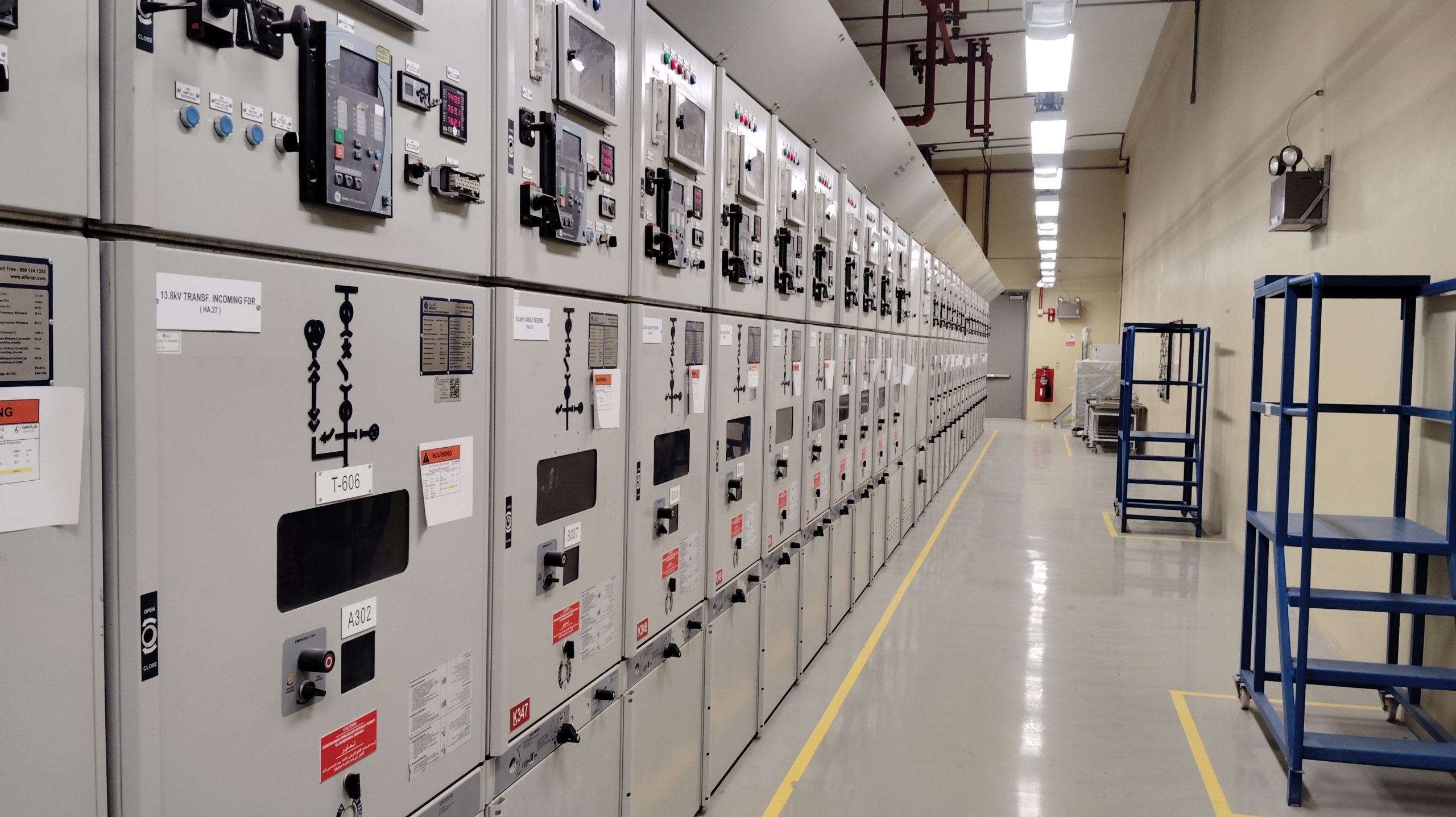
Network switching capability is another focus. During restoration, circuits, transformers and substations have to be energised in a controlled sequence as generating capacity becomes available. Switching too slowly can restrict the rate at which load is restored, while switching too aggressively can expose a weakened system to unacceptable voltage or frequency changes.
The operating conditions are substantially different from normal interconnected operation. A lightly loaded transmission circuit can produce significant reactive-power effects, transformers may be energised into networks with limited fault level, and comparatively small changes in demand can represent a large proportion of the generation supporting an electrical island.
Protection and control therefore become central to the restoration sequence. Equipment has to distinguish genuine faults from the abnormal but expected electrical conditions created while the network is being rebuilt, while control-room staff need sufficiently clear procedures to coordinate actions across generation, transmission and distribution assets.
GC0186 also proposes clarification and improvement of testing requirements. Restoration capability cannot be treated as a paper exercise because generating plant, HVDC systems, communications, switchgear and control-room procedures all have to perform after a severe system event, potentially following long periods without being used in that configuration.
Data obligations form another part of the modification. Restoration planning depends on NESO and network companies holding accurate information on plant capability, connection arrangements and operating limits before an event occurs. Incomplete or inconsistent records can become an operational problem when decisions have to be made quickly with parts of the normal electricity system unavailable.
The increasingly distributed nature of generation adds complexity. Restoration historically relied heavily on large transmission-connected generating stations with self-start capability, while the modern system contains greater volumes of embedded generation, batteries, interconnectors and power-electronic equipment spread across distribution and transmission networks.
Those resources can expand the range of assets available during restoration, but only where their technical capability, communications and contractual obligations are defined in advance. A battery or distributed generator that can energise equipment physically is of limited value if the restoration plan does not establish who controls it, what network it can support or how it will coordinate with other resources.
The ESRS targets take effect against a system changing rapidly in generation mix and control technology. Meeting them consequently depends on more than procuring sufficient black-start capacity: the surrounding Grid Code, operating procedures, testing regime and information flows have to remain aligned with the equipment now connected to the network.
GC0186 remains under industry consultation, so its detailed wording can change before the modification reaches a final decision. The engineering issue is already fixed, however: restoring Great Britain’s electricity supply within the statutory timescales requires the individual switching, testing and control actions beneath the headline targets to work in sequence when the interconnected system is at its weakest.