IN Brief:
- Airengy has signed an offer to acquire 100% of the operating 7.84MW FLUX wind project in Poland.
- The approximately €13.5 million transaction remains conditional rather than a completed acquisition.
- FLUX would add operating wind generation to Airengy's expanding Polish solar and storage strategy.
Airengy has signed an offer to acquire 100% of the operating 7.84MW FLUX wind project in Poland, a transaction that would give the company its first wind generation asset as it builds a broader independent power producer portfolio in the country.
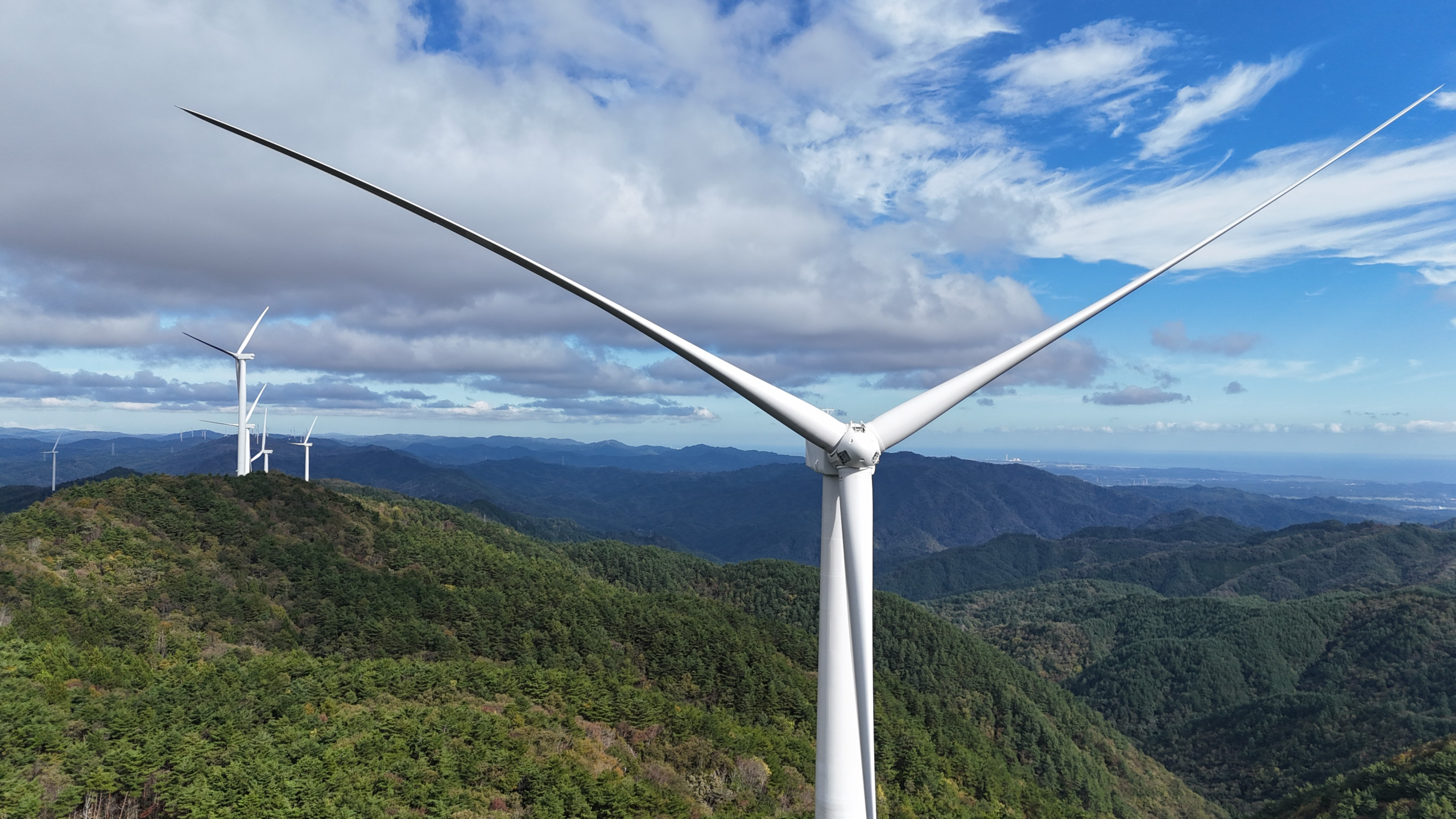
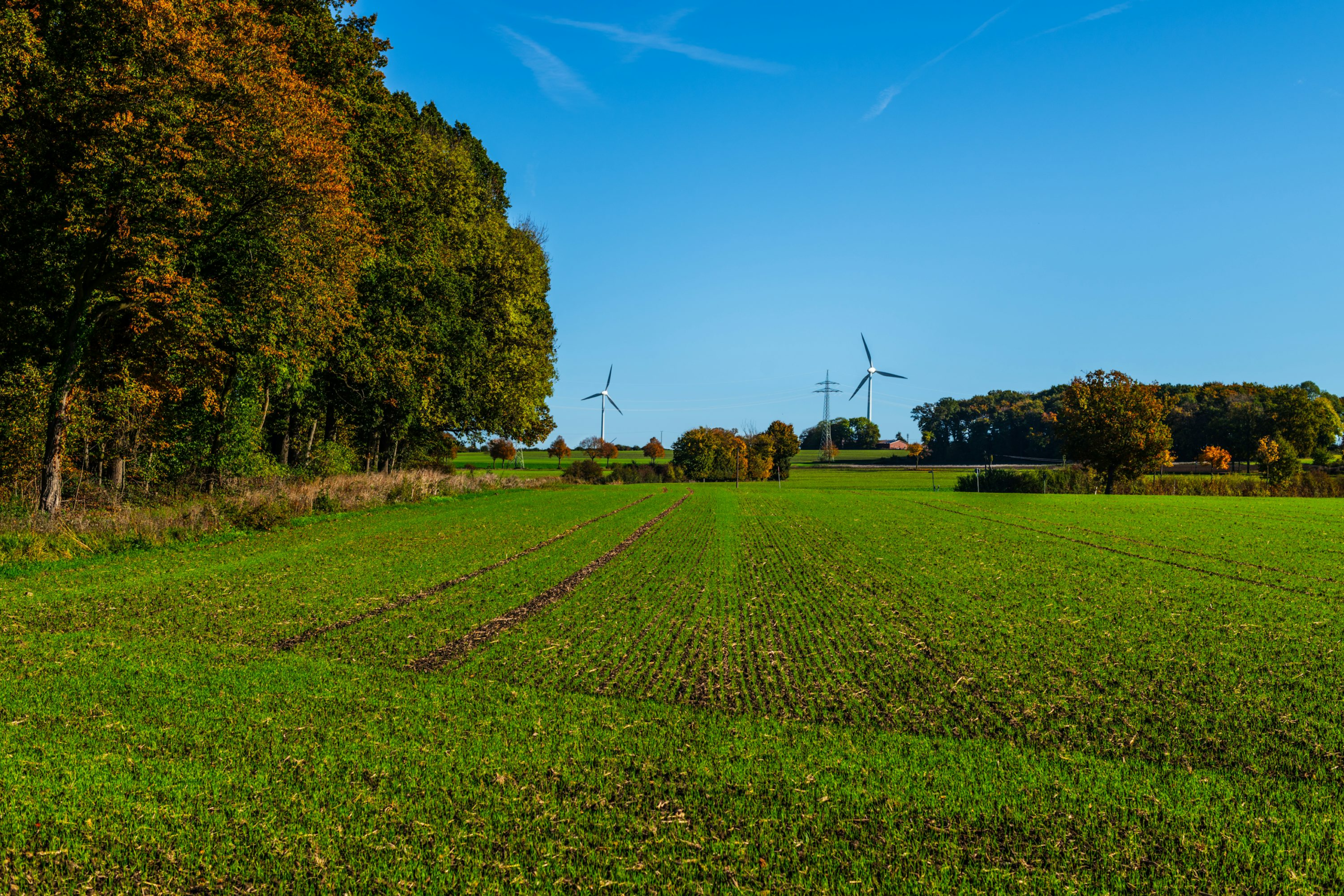
FLUX is already connected to the electricity grid and has more than a decade of operating history. Airengy’s public update describes the project as an operational wind farm rather than a development-stage acquisition, removing many of the planning, construction, and grid-connection risks that would accompany the purchase of an unbuilt project.
The proposed transaction values the asset at approximately €13.5 million on the terms reported around the announcement. Airengy has signed an offer to acquire the full project company, but completion remains conditional, so the wind farm should not yet be treated as an owned asset within its generation portfolio.
That distinction is important for an operating renewable acquisition. Signing an offer gives the buyer a defined commercial route towards ownership, while technical, financial, legal, and financing work still has to establish whether the asset performs as expected and whether the final acquisition terms remain acceptable.
Airengy’s own announcement says FLUX would become its first wind project and expand its activity in Poland beyond solar. The company has been repositioning around a diversified independent power producer model combining solar, wind, and energy storage rather than relying solely on its earlier compressed-air energy storage technology strategy.
An operating wind farm provides a different risk profile from a project still awaiting construction. The turbines, grid connection, metering, and electrical infrastructure already exist, while historic production and maintenance data can be examined during due diligence rather than estimated entirely from resource models and equipment assumptions.
The existence of operating history does not remove technical risk. Wind turbines that have been in service for more than a decade require close assessment of drivetrain condition, blades, pitch and yaw systems, generators, converters, transformers, foundations, switchgear, communications, and other equipment whose remaining useful life affects the value of the asset.
Maintenance records become particularly important. Repeated faults, component replacements, periods of reduced availability, and major service interventions can reveal whether past production has been achieved through routine operation or through maintenance expenditure that a new owner would need to continue.
The economics of a small wind farm are also sensitive to individual turbine availability. Where only a few machines make up the total site capacity, one extended outage can remove a substantial proportion of generation until the affected turbine returns to service.
That makes access to replacement components, specialist technicians, lifting equipment, and service support relevant to the acquisition price. The remaining contractual position with equipment and maintenance providers can be as important as the historic megawatt-hour output when the buyer assesses future operating costs.
Grid arrangements require a separate review. An operating project has already secured its connection, avoiding one of the largest development risks facing new renewable generation, but the purchaser still needs to understand the connection agreement, export limits, protection requirements, metering, balancing responsibilities, and any planned network changes affecting the site.
Commercial exposure also matters because a grid-connected wind farm does not produce a fixed quantity of electricity or a fixed level of income. Output changes with the wind resource and turbine availability, while realised revenue depends on the route to market, the price available when electricity is generated, balancing costs, and any contractual hedging or offtake arrangements.
Wind generation can therefore deliver strong annual energy volumes while still being exposed to periods when high regional wind output pushes wholesale prices down. Portfolio diversification can reduce some of that exposure where solar, wind, and storage operate with different production and dispatch profiles.
Airengy has already been increasing its exposure to Polish solar generation. Earlier in 2026 it agreed the acquisition of a roughly 34MW solar portfolio from INVL Renewable Energy Fund I for €23.7 million, with projects transferring as they reach the relevant operating milestones.
The company has also been examining storage opportunities in Poland, making FLUX relevant beyond its 7.84MW headline capacity. Wind would introduce another production profile into a portfolio already being constructed around solar and prospective storage, allowing the company to combine generation that peaks at different times with assets capable of shifting electricity between periods.
That diversification does not automatically create a hybrid plant. FLUX, the solar projects, and any future batteries may have separate grid connections, commercial contracts, and locations. Portfolio-level diversification instead changes the aggregate production and market exposure of the owner rather than physically integrating the technologies behind a single meter.
The relatively modest size of FLUX also makes this a different transaction from the large portfolio acquisitions common among established European utilities. For Airengy, the significance lies more in adding an operating wind asset and building its Polish IPP platform than in transforming the country’s installed generation base.
The asset’s decade of operating history should provide considerably more evidence for valuation than a greenfield project, but that history has to be interpreted carefully. Past wind resource, curtailment, turbine availability, maintenance expenditure, and realised prices do not guarantee identical performance through the next ownership period.
A purchaser therefore has to assess the remaining life of the machines and determine which capital expenditure may be required to sustain production. Depending on turbine condition, that can include major component overhauls, control upgrades, blade work, electrical replacements, or life-extension inspections later in the operating period.
Financing adds another test. Lenders considering debt against an operating wind asset will typically examine historic generation, downside resource cases, operating expenditure, component risk, market exposure, and the cash flow available for debt service rather than lending purely against installed capacity.
FLUX would consequently move into Airengy’s portfolio only after the acquisition process converts the current offer into a completed transaction. Until that point, the relevant story is not that Airengy owns 7.84MW of Polish wind generation, but that it is attempting to add a mature operating asset to a renewable portfolio already expanding across solar and storage.
If the acquisition completes, the next question will move from transaction structure to asset performance: whether the existing turbines, grid connection, maintenance strategy, and commercial arrangements can deliver the production and cash flow expected from a wind farm that has already spent more than a decade in service.