IN Brief:
- Serbia's energy ministry says EPS and Masdar discussed cooperation on large-scale BESS development.
- No battery capacity, location, investment value, or construction timetable has yet been disclosed.
- The talks follow completion of the 154MW Čibuk 2 wind farm and expansion of Masdar's Serbian renewable portfolio.
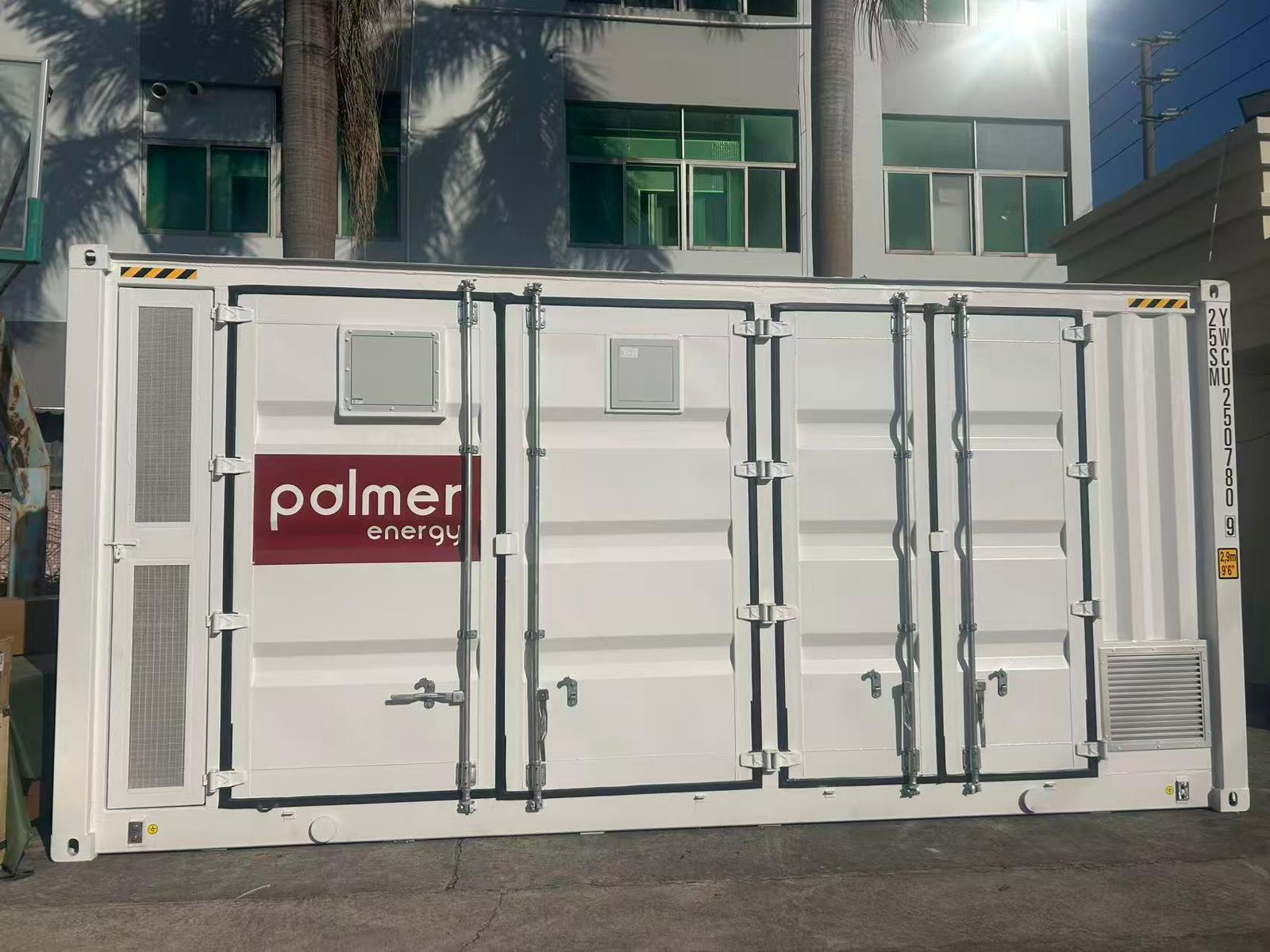
Serbian power utility EPS and Masdar are exploring joint battery energy storage projects, with Serbia’s Ministry of Mining and Energy confirming discussions around a memorandum of understanding covering large-scale BESS construction.
The talks took place in Vrdnik during the RES Serbia 2026 conference between caretaker mining and energy minister Dubravka Đedović Handanović and Masdar chief executive Mohamed Jameel Al Ramahi. The ministry said the meeting covered cooperation between Elektroprivreda Srbije and Masdar on joint project initiatives, including large-scale battery storage.
No capacity, project location, construction date, or investment value has yet been disclosed. The proposal is therefore at an early development stage rather than a committed build programme, and a signed memorandum would still leave site selection, technical design, financing, procurement, and grid connection to be resolved.
The discussions follow completion of the 154MW Čibuk 2 wind farm, which Masdar developed with Taaleri Energia. The project uses 22 Nordex turbines and sits alongside the 158MW Čibuk 1 development, taking the combined capacity of the Čibuk complex to 312MW.
Masdar says it has more than 200MW of additional Serbian projects in development across wind, solar, and battery storage. That pipeline gives the EPS discussions a practical context: additional variable generation increases the requirement for assets that can respond quickly to changes in production, demand, and network conditions.
A battery system can absorb electricity when generation is high and release it later, but the value of any Serbian project will depend on where it connects and how it is operated. A system close to renewable generation could be designed around curtailment and energy shifting, while a battery nearer a constrained substation or major load centre could have a stronger network-support role.
Duration will be equally important. A high-power, short-duration battery can deliver rapid frequency or balancing response, whereas a larger energy inventory allows more substantial intraday shifting. The government announcement does not yet specify either power or energy capacity, so no conclusion can be drawn about the intended duty cycle.
EPS is central to that design question because it operates much of Serbia’s generation fleet and is directly exposed to the operational effects of a changing power mix. A joint development model with Masdar could combine local system knowledge with international storage development experience, but the commercial structure has not yet been published.
Grid connection studies would determine whether the proposed batteries can provide the services expected from them without creating new constraints. Inverter capability, protection settings, fault behaviour, reactive-power control, communications, and dispatch interfaces all have to be specified against the characteristics of the connection point.
Storage also changes the operating relationship between generation and the market. Wind and solar output arrive when the resource is available, while a battery can choose when to charge and discharge within its energy limits. That makes storage useful for balancing and price optimisation, but only if market rules and connection rights allow the asset to switch between those roles.
Masdar’s recent Čibuk 2 completion gives the company an enlarged operating base in Serbia rather than a purely prospective presence. The 154MW project and neighbouring Čibuk 1 wind farm now form a 312MW cluster, while the wider pipeline includes storage as well as additional renewable generation.
Whether the proposed EPS batteries are ultimately linked to those wind assets has not been stated. Each project would require its own electrical design, grid studies, land, permitting, and commercial case, so the existence of a large renewable portfolio does not automatically determine where storage should be installed.
The next material step is a signed cooperation framework that identifies projects in enough detail for engineering and financing work to begin. Capacity, duration, connection point, ownership structure, and procurement route will determine whether the initiative develops into a system-support asset, a merchant storage portfolio, or a hybrid of the two.
Financing will also depend on the revenue model. A battery contracted for network or balancing services can support a different debt structure from one exposed mainly to wholesale price spreads, while a utility-owned asset may be justified partly through avoided system costs rather than standalone trading income. Those choices have not yet been disclosed and will shape both the technical specification and the allocation of operating risk.
For Serbia, the discussion reflects the next layer of renewable integration after building more generating capacity. Wind and solar add megawatts to the system; storage adds control over when some of that energy is delivered. The eventual engineering specification will show how far EPS and Masdar intend to push that flexibility.