IN Brief:
- OCP Green Energy has energised a 25MW/125MWh LFP battery at its Benguerir mining site.
- The five-hour system is coupled with the site's 67MWp solar plant and has entered progressive commissioning.
- The battery is designed for daily energy shifting, industrial supply continuity, frequency regulation, and reactive-power support.
OCP Green Energy has completed construction and energised a 25MW/125MWh lithium iron phosphate battery at the Benguerir mining site in Morocco, beginning progressive commissioning of the five-hour storage system.
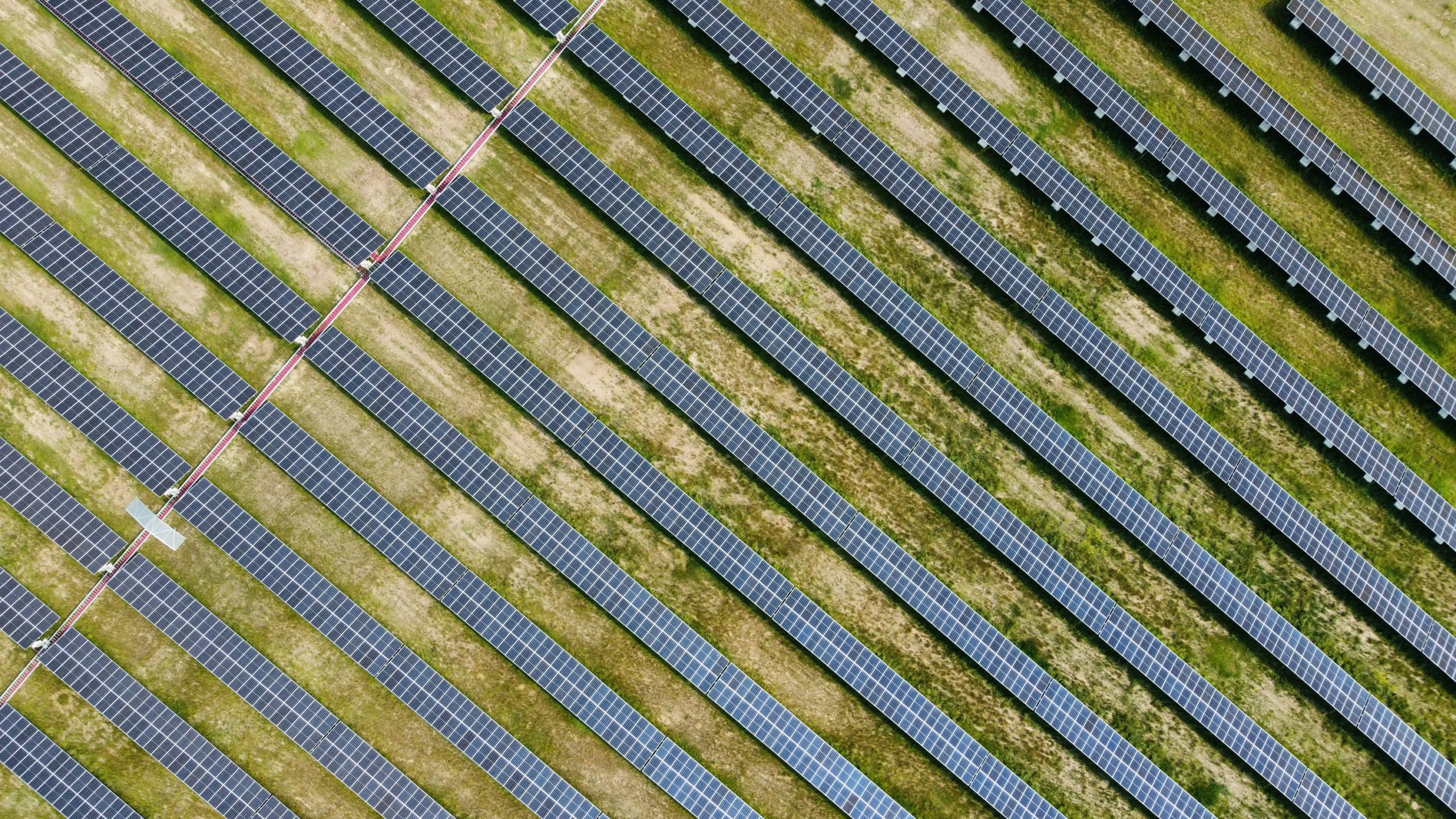
The battery is coupled with the existing 67MWp Benguerir solar plant and is intended to store photovoltaic production during daylight hours before returning electricity when industrial demand is higher. Its 125MWh energy capacity allows a nominal five hours of discharge at the full 25MW power rating before operating margins and losses are considered.
Benguerir forms part of OCP Green Energy’s first 202MWp solar portfolio, alongside 30MWp at Foum Tizi and 105MWp at Oulad Farès in Khouribga. Those plants are already supplying OCP Group’s mining and industrial operations with renewable electricity.
The storage project uses LFP chemistry and follows a contract signed with Envision in late 2025. OCP selected the supplier after evaluating specialist integrators, with the battery equipment ordered during the fourth quarter of that year.
The investment is valued at close to 170 million Moroccan dirhams and covers the battery equipment as well as civil works, electrical engineering, integration, studies, and project management. OCP says the scheme also benefits from $20 million of Clean Technology Fund financing associated with the African Development Bank.
With installation of the battery racks, conversion equipment, and control systems complete, energisation allows performance testing to begin before routine operation. The commissioning programme has to prove the complete system rather than simply demonstrate that individual battery modules can charge and discharge.
Converters, communications, protection, thermal management, metering, controls, and the interface with the solar plant all have to operate within specification. The battery also has to respond correctly when moving between active-power dispatch, charging, and ancillary-service duties.
The five-hour duration gives Benguerir a different operating profile from a battery designed mainly around short frequency-response events. It can still respond rapidly, but its larger energy inventory allows a significant block of daytime photovoltaic output to be shifted into later industrial demand periods.
That characteristic is particularly useful at a mining and processing site where electrical demand is determined by production rather than sunlight. Motors, pumps, materials handling, crushing, processing, and auxiliary loads can continue after solar output has fallen, creating a mismatch between local renewable generation and consumption.
Storage introduces a controllable buffer. Charging can absorb solar electricity while production is strong, and discharging can extend the contribution of that generation into higher-demand periods. OCP says this operating model is expected to reduce the site’s electricity bill during peak hours while improving continuity of renewable supply.
The project is also configured for frequency regulation and reactive-power compensation. Those functions depend heavily on the power-electronic conversion equipment rather than the headline megawatt-hour capacity, allowing the system to alter active or reactive power quickly within its converter rating and state-of-charge limits.
OCP expects the system to operate on a daily charge-and-discharge cycle and gives an estimated service life of 25 years. Actual performance over that period will depend on cell degradation, temperature, depth of discharge, cycling profile, augmentation, and maintenance of the conversion and control equipment.
LFP chemistry is widely used for stationary storage because of its thermal characteristics and cycle-life profile, but the usable lifetime of a project is still determined by how aggressively the battery is operated. A system cycled deeply every day will age differently from one that preserves part of its capacity for reliability or grid services.
The industrial setting also changes the economics compared with a purely merchant battery. Revenue does not have to come solely from wholesale price spreads. Avoided peak electricity costs, better use of on-site solar, continuity of supply, reduced renewable curtailment, and ancillary services can contribute to the operating case.
Benguerir does not make the mining site electrically independent, and five hours of storage cannot cover prolonged periods of weak renewable output. It does, however, provide a dispatchable layer between variable solar generation and industrial demand, while giving the site power-electronic capability that can also support the wider electrical system.
The immediate milestone is now commissioning rather than construction. Performance testing over the coming weeks will determine how the battery, converters, controls, and solar interface operate together before the plant enters routine service and begins its intended daily cycling regime.