IN Brief:
- Poolbeg’s 220kV substation is being rebuilt as one of 29 priority Irish transmission projects under the PR6 programme.
- The upgraded station is intended to accommodate approximately 1.6GW of new generation capacity and future electricity demand.
- The new substation is targeted for Q4 2028, followed by phased connection of additional circuits through 2030.
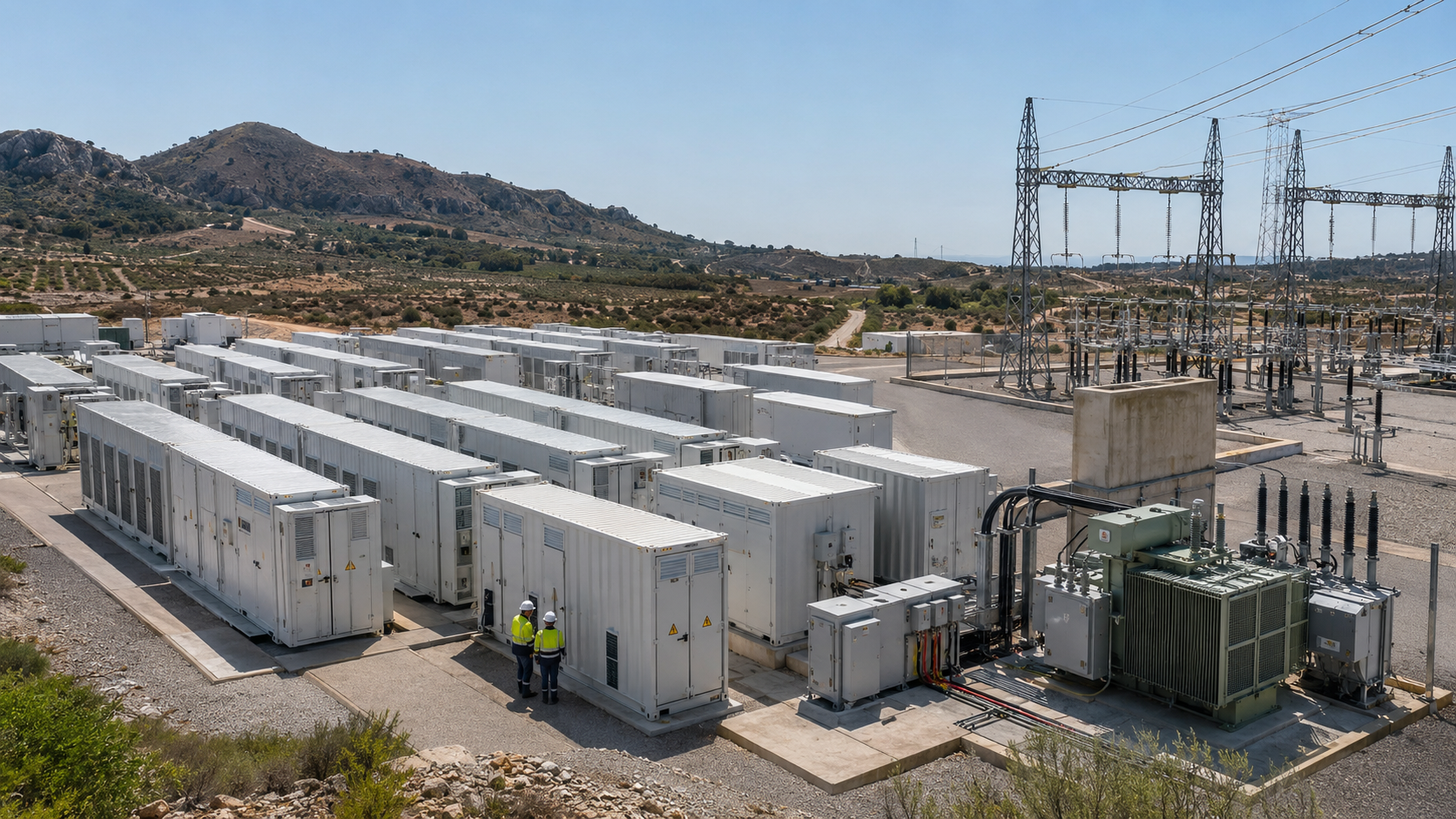
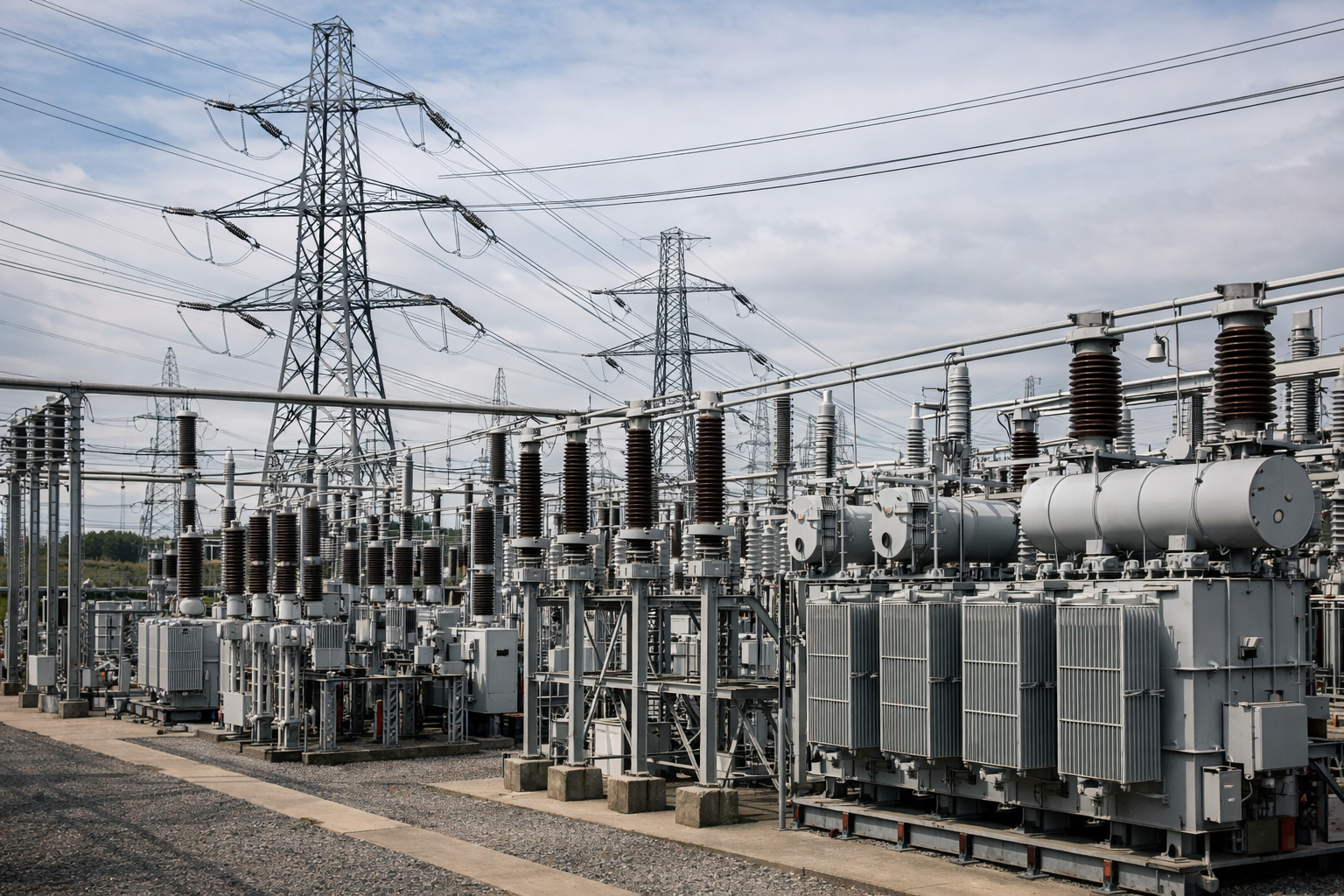
ESB Networks has started civil works on the replacement and upgrade of Dublin’s Poolbeg 220kV substation, moving a major transmission project into construction as the capital prepares for additional electricity demand and new generation connections.
The existing station has supported Dublin and the wider Irish electricity system for more than five decades but is approaching end of life and its operational limits. The replacement is intended to increase connection capacity while strengthening security and reliability at a node that already plays an important role in supplying the city.
Once complete, the upgraded Poolbeg installation is expected to support approximately 1.6GW of new generation capacity and future demand requirements. It is also intended to operate as an onshore hub for renewable generation, including offshore wind, giving the redevelopment a system-expansion role alongside the replacement of ageing equipment.
The project forms part of EirGrid’s Powering Up Dublin programme, which includes around 50km of new cables, new substations, and upgrades to existing stations across the city. Planning permission for the Poolbeg scheme was secured in December 2023 before the project passed to ESB Networks for delivery as transmission asset owner.
Poolbeg is one of 29 priority transmission projects being delivered under the Price Review 6 investment programme. Together, those projects represent more than half of planned transmission investment in the programme and are intended to support housing, economic growth, renewable generation, and rising electricity demand.
Site mobilisation is complete and civil works are now preparing the platform for the new station. ESB Networks expects the rebuilt substation to become operational in the fourth quarter of 2028, followed by phased connection of additional circuits through 2030.
That sequencing matters because Poolbeg is a live transmission site. Replacing a 220kV installation that already performs a critical function requires new equipment, protection, control, cable interfaces, and auxiliary systems to be commissioned without creating unnecessary risk to the existing network during construction and cutover.
The work extends beyond a simple capacity uprate. A high-voltage substation redevelopment has to coordinate switchgear, busbars, transformers, protection systems, control and telecommunications equipment, earthing, auxiliary supplies, civil structures, and interfaces to existing and future circuits. Each element must be tested against the wider network before the new capacity can be relied upon operationally.
Poolbeg’s location gives the project additional value as Dublin’s power flows change. The area has long been associated with conventional generation, but the upgraded station is being prepared for a system in which new renewable supply may arrive from different directions while urban and industrial demand continue to grow.
The wider Powering Up Dublin programme is based on several reinforced routes rather than one new asset. New and upgraded substations, together with underground transmission cables, are intended to create additional paths through which power can enter and move around the metropolitan network.
That network approach is essential because a nominal 1.6GW increase at Poolbeg is useful only if the circuits feeding and leaving the site, neighbouring substations, protection settings, and system operating arrangements can accommodate the resulting power flows. Capacity at one node does not remove constraints elsewhere.
Dublin also has a demand profile increasingly influenced by large technology loads. Data centres and other high-voltage customers can add substantial, relatively concentrated demand, while electrification of transport, heating, commercial buildings, and housing increases the background load the network must serve.
Those trends make timing difficult. Reinforcement has to arrive early enough to avoid blocking new connections, but transmission assets are long-lived and expensive, so planners also need confidence that forecast demand and generation will materialise over the investment period.
Poolbeg addresses part of that problem by combining asset renewal with additional connection headroom. Replacing end-of-life equipment while expanding the station avoids treating reliability and growth as completely separate programmes, although the new capability still depends on delivery of the associated circuits.
The next milestones will be progressively more electrical: completion of the civil platform, installation of the new high-voltage plant, protection and control integration, testing, energisation, and the transfer or addition of circuits. Q4 2028 is the target for the new station itself, but the network benefit will continue to build as further circuits are connected through 2030.
For Dublin, that timetable places Poolbeg on the critical path between demand growth, renewable integration, and the physical grid required to support both. The project’s value will ultimately be measured less by the substation building than by whether the 220kV network can accept and move the additional power it is being rebuilt to handle.