IN Brief:
- Sea Link is a proposed 2GW HVDC transmission reinforcement between Suffolk and Kent.
- The project includes converter stations, 122km of subsea cable, onshore cables, substations, and associated transmission modifications.
- Ofgem's assessment will determine regulated revenues and outputs while the project proceeds through its separate development-consent process.
Ofgem has opened its project assessment of National Grid Electricity Transmission’s proposed 2GW Sea Link, beginning the regulatory review that will determine the revenues and delivery outputs associated with the major HVDC reinforcement between Suffolk and Kent.
The consultation is open until 29 September and forms part of the Accelerated Strategic Transmission Investment mechanism within the RIIO-3 price-control framework. Ofgem uses the project-assessment process to examine the cost and delivery case before determining the regulated revenue available to the transmission owner.
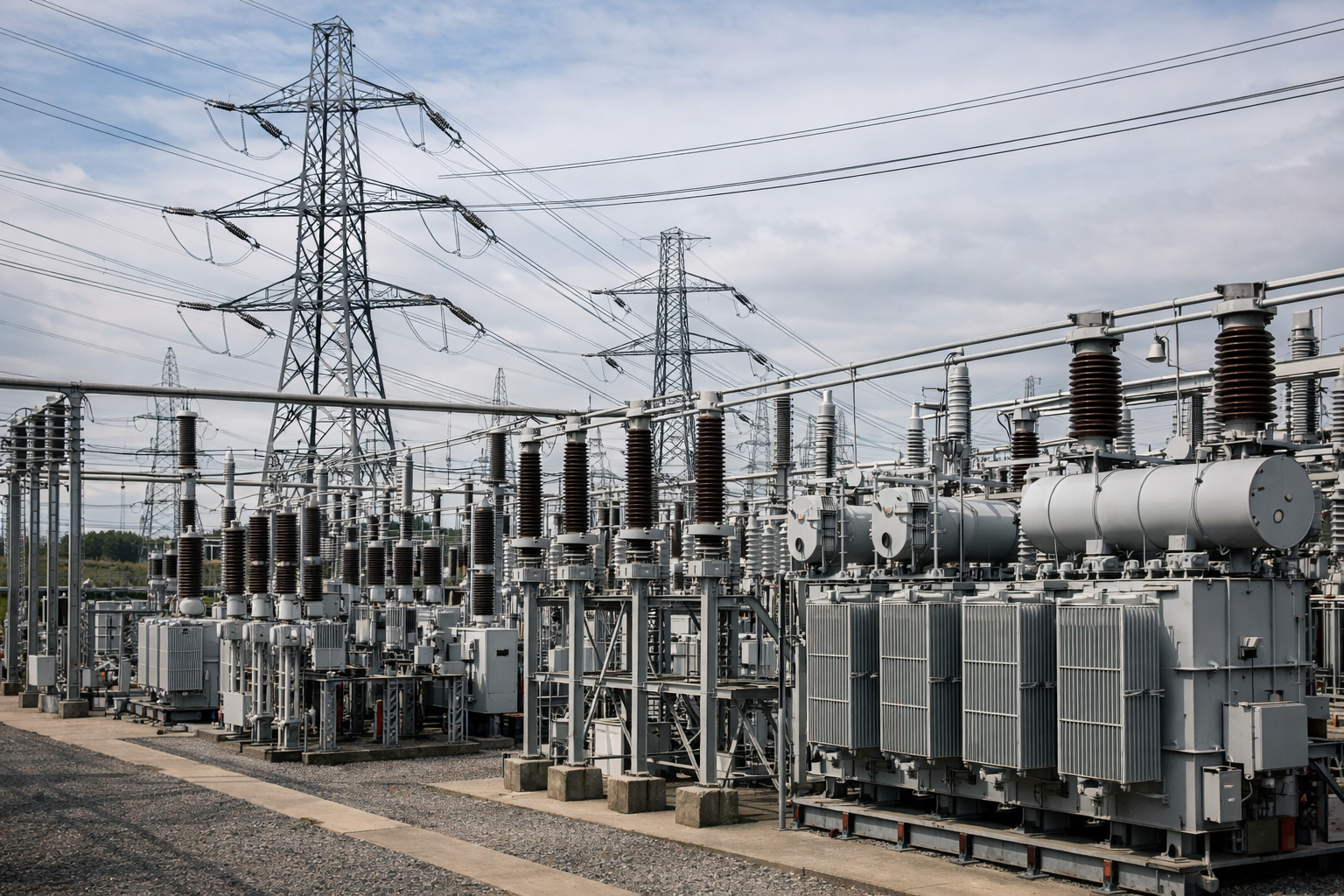
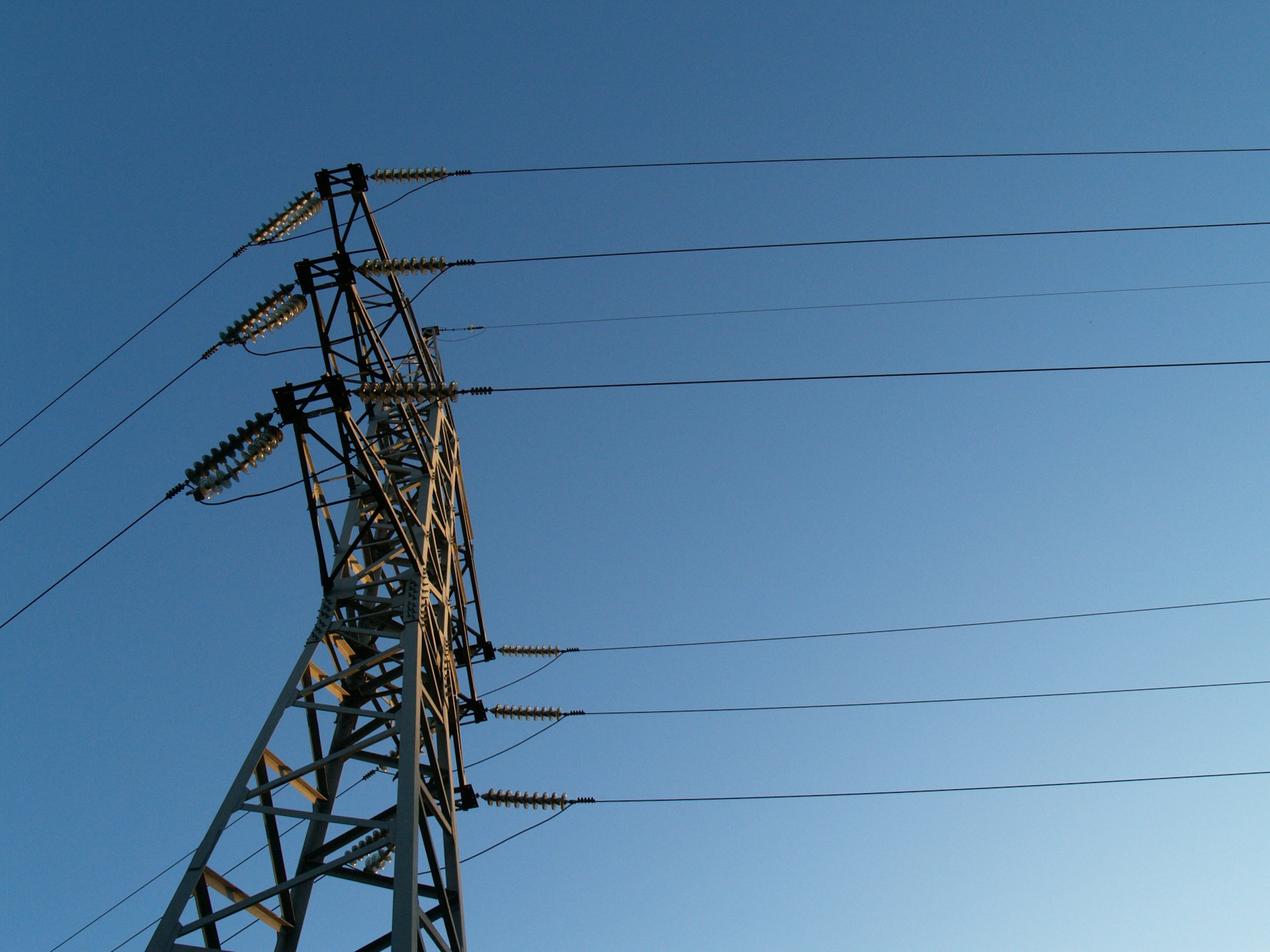
Sea Link is designed to increase electricity-transfer capability between East Anglia and South East England. The scheme combines a high-voltage direct-current connection with converter stations, substations, underground and subsea cables, and modifications to the existing alternating-current transmission network.
National Grid’s current design extends for around 138 kilometres and is predominantly offshore. Approximately 122 kilometres will use subsea HVDC cable between the Kent and Suffolk coasts.
On the Kent side, the cable will land at Pegwell Bay before running inland to a converter station near Minster. A new Minster substation and associated changes to existing overhead lines will connect the project to the wider transmission system.
In Suffolk, the route reaches land north of Aldeburgh and continues towards the new transmission infrastructure serving the Saxmundham area. Converter equipment is required at both ends because the long-distance link operates in direct current while the surrounding transmission network operates in alternating current.
Regulatory and planning decisions run in parallel
Ofgem’s assessment is separate from the project’s development-consent application. Examination of the planning application has already closed, and the Examining Authority submitted its recommendation to the Secretary of State on 30 July 2026.
The Secretary of State is expected to decide whether to grant development consent by 30 October. Sea Link therefore has two distinct approval tracks under way: one determines whether the infrastructure can be built, while the other establishes how the regulated investment will be funded and what outputs National Grid will be expected to deliver.
The separation is particularly important for a transmission scheme with long-lead electrical equipment. HVDC converter stations require power-electronic valves, transformers, reactors, cooling systems, protection, controls, and substantial civil structures, while cable manufacture involves specialised production capacity that is heavily committed across European grid programmes.
Regulatory certainty affects when those procurement commitments can be made and the level of cost that ultimately enters the transmission price-control settlement. Ofgem’s task is to establish an allowance capable of supporting delivery while testing whether the expenditure proposed by the transmission owner is efficient.
HVDC is suited to Sea Link’s predominantly offshore route because alternating-current submarine cables draw increasing charging current over long distances. Direct-current transmission avoids that limitation along the cable itself, although it introduces the expense and engineering complexity of converter stations at each end.
Those converters are active grid assets. They must regulate power transfer, coordinate protection, manage reactive-power requirements on the AC networks, control harmonic performance, and remain integrated with National Grid’s wider system-operation arrangements.
The cable route is only part of the engineering programme. New substations, overhead-line changes, underground connections, landfall works, control systems, and protection modifications are required before the nominal 2GW transfer capability becomes usable within the existing network.
Sea Link is being developed because East Anglia is expected to connect substantial volumes of offshore wind and other low-carbon generation during the coming decade. Existing transmission corridors were not designed for the volume and geographical concentration of generation now proposed for the region.
Without reinforcement, additional generation can increase system constraints even after individual projects have secured their own connection agreements. Electricity may be technically available but unable to move efficiently towards demand centres when the surrounding transmission network reaches its operating limits.
A 2GW link between East Anglia and the South East gives system operators another route for bulk power transfer, although its eventual effect will depend on the wider portfolio of transmission reinforcements being delivered alongside it.
National Grid has continued surveys and design activity during 2026 while the formal approvals proceed. Ground conditions, environmental constraints, cable routing, land access, and detailed substation design all have to be sufficiently developed before construction can begin at scale.
If development consent and the regulatory assessment both clear their remaining stages, Sea Link will move into a programme increasingly dominated by manufacturing capacity, converter delivery, cable production, civil engineering, and high-voltage integration. The consultation closes on 29 September, followed one month later by the current deadline for the project’s planning decision.