IN Brief:
- PNE has sold the 10.8MW Romescamps wind farm project in France to JP Energie Environnement.
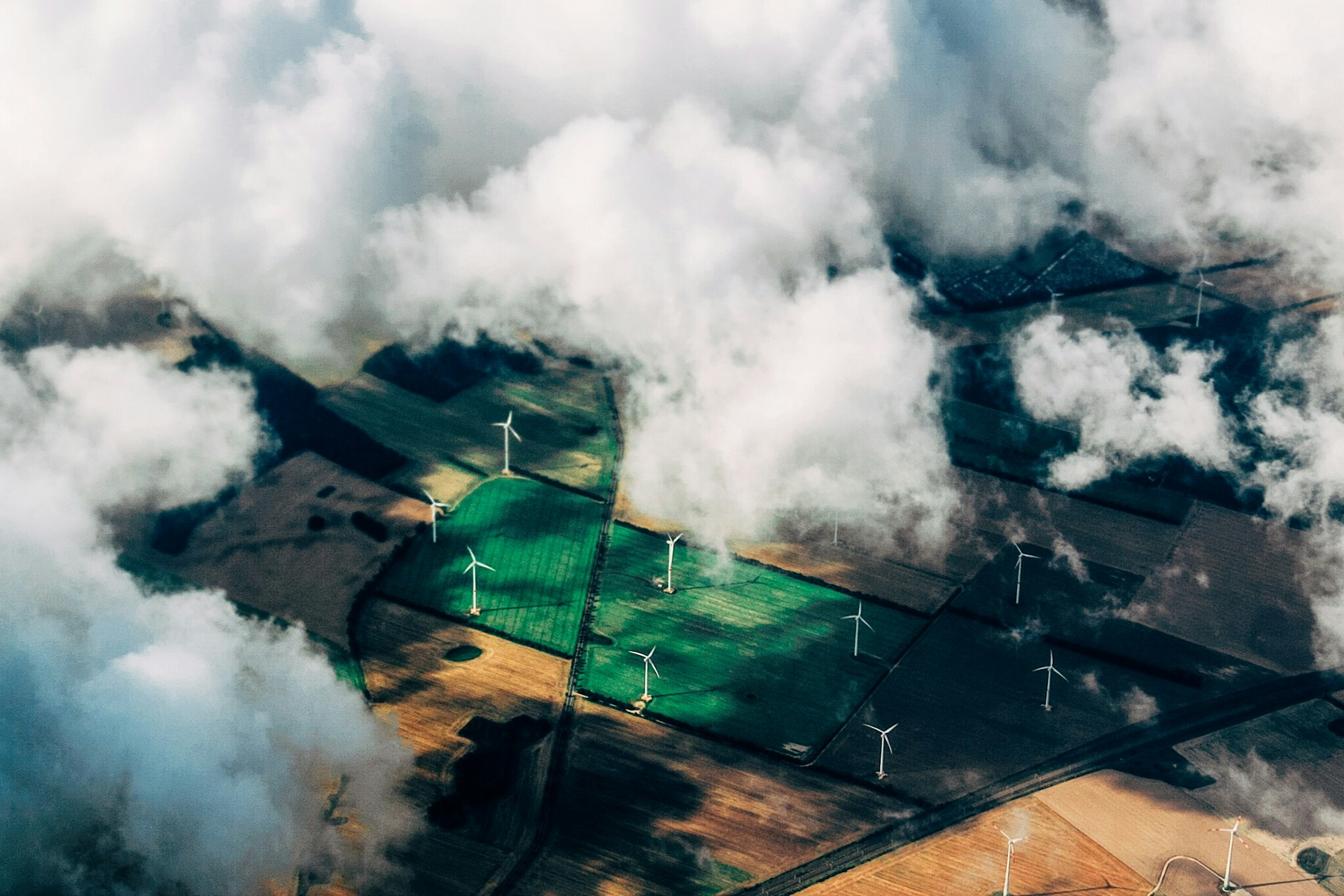
- The Hauts-de-France project comprises three turbines and has reached ready-to-build status.
- PNE France will continue to support selected development activities after the transaction.
PNE has completed the sale of the 10.8MW Romescamps wind farm project in France to JP Energie Environnement, continuing its project development and disposal activity in one of its core European markets.
The project is located in Hauts-de-France, northern France, and comprises three wind turbines. Developed by PNE France, the asset was advanced to ready-to-build status before the transaction. PNE France will continue to support selected development activities under a project development agreement after closing.
The sale is PNE’s second completed project transaction in France with JP Energie Environnement. The two companies previously completed a transaction involving wind parks in Grand Est and Nouvelle-Aquitaine. PNE has also completed other 2026 sales, including the Bokel wind farm in Germany, a planned 72MW wind project in Poland, and a photovoltaic project in Poland with capacity of around 40MW.
Project disposals of this type are a recurring feature of European renewable energy development. Developers often originate, permit, optimise, and de-risk projects before transferring them to buyers with capital, operating capability, or portfolio requirements. Much of the value is created before construction, through land rights, environmental assessment, turbine configuration, permitting, grid connection work, and commercial structuring.
Romescamps is modest in capacity compared with the largest European renewable transactions, but smaller onshore wind projects still carry detailed engineering, grid, and development requirements. Three turbines require access roads, crane pads, foundations, internal cabling, grid connection infrastructure, protection systems, communications, SCADA integration, environmental commitments, and commissioning work.
The French market has its own delivery conditions. Onshore wind development must navigate planning requirements, local consultation, administrative processes, grid availability, environmental constraints, and judicial risk. Ready-to-build status therefore represents a substantial development milestone, especially where turbine height, layout, and generation assumptions have been optimised before sale.
Across Europe, renewable projects continue to move through different parts of the delivery chain. Large-scale operational milestones, such as Iberdrola’s commissioning of a major Italian solar PV plant, show the endpoint of project development. Romescamps sits at the transaction stage, where development rights and construction readiness move to a new owner.
For PNE, the transaction supports a model based on development expertise, selective project ownership, and capital recycling. Selling ready-to-build assets can release capital for further development while transferring construction and operating responsibilities to another owner. That approach is common across renewables because development pipelines can be large, while balance sheets and management capacity remain finite.
For JP Energie Environnement, the acquisition adds a French wind asset to a renewable portfolio focused on developing, financing, building, and operating wind and solar projects. Acquiring ready-to-build projects can accelerate portfolio growth compared with early-stage origination, although construction and grid delivery risks remain.
The transaction also reflects a wider European pattern. Renewables investment is increasingly portfolio-led, with developers and investors assembling projects across technologies, geographies, and maturity stages. Wind, solar, storage, PPAs, capacity-market structures, and grid connection rights are being combined to balance merchant exposure, construction timelines, and capital deployment.
Small and medium-sized onshore wind projects remain part of that mix. They rarely attract the same attention as offshore wind, gigawatt-scale solar, or multi-gigawatt-hour storage, but they add distributed generation capacity and create regional electrical works. Their value depends on repeatable delivery, community acceptance, grid access, and long-term operating performance.
The Romescamps sale marks a practical handover in France’s onshore wind pipeline. PNE has moved the project to a buildable stage and transferred it to an operator with French renewable generation activity. The next measure of progress will be construction, grid commissioning, and reliable operation from the three-turbine site.