IN Brief:
- Iberdrola has commissioned the 243MW Fénix solar PV plant in Sicily.
- The project includes 413,000 bifacial modules and grid connection through medium- and high-voltage lines.
- Most of the output will be sold through long-term PPAs with Italian companies.
Iberdrola has commissioned the 243MW Fénix solar PV plant in eastern Sicily, making it Italy’s largest operational solar project.
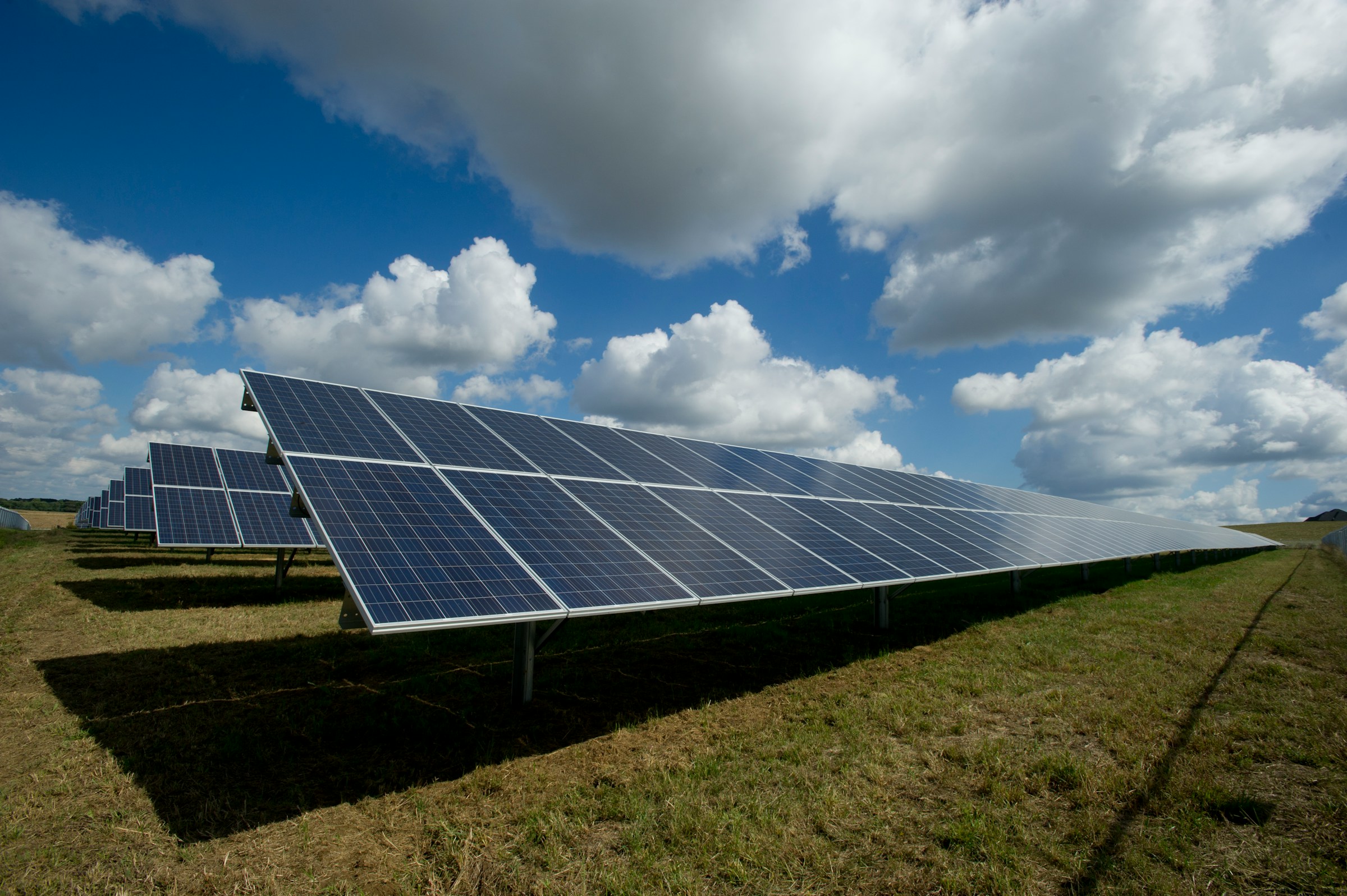
Located across the provinces of Enna and Catania, the project uses 413,000 bifacial photovoltaic modules and is expected to generate close to 400,000MWh a year. The plant is connected to the electricity system through 26km of medium-voltage lines and 9km of high-voltage lines.
Most of the electricity generated by Fénix will be sold through long-term power purchase agreements with Italian companies. The PPA structure gives industrial buyers access to renewable electricity over longer periods, while giving the project contracted revenue visibility in a market where merchant exposure can be volatile.
Construction began in March 2024, with commissioning now taking Iberdrola beyond the previous benchmark for Italy’s largest operating solar PV plant, a 170MW project in Viterbo, Lazio. The scale of Fénix also reflects the increasing size of utility PV schemes being delivered in southern Europe as developers move beyond smaller distributed or regional projects.
Italy’s renewable deployment environment remains complex. The country has strong solar resource, particularly in the south, but development has been shaped by permitting, grid connection, land-use concerns, and regional planning rules. Large projects require generation equipment, extensive electrical infrastructure, grid studies, and commercial structures that can support investment.
Fénix’s connection design shows how much of the delivery challenge now sits beyond the modules themselves. Medium- and high-voltage works determine how generation reaches the system, while cable routes, substations, protection systems, transformer capacity, communications, and metering all influence whether the project can operate efficiently once energised.
The plant also sits against Italy’s targets for 30% renewables in total energy consumption and 55% renewables in electricity generation by 2030. Solar will carry a significant part of that increase because of Italy’s Mediterranean resource profile, but the value of new capacity will depend increasingly on the grid’s ability to absorb variable output and shift energy to higher-demand periods.
Utility-scale solar is therefore becoming inseparable from storage, flexibility, and network reinforcement. A 243MW PV plant can materially increase daytime renewable output, but it also adds variability that must be managed through balancing markets, interconnection, demand response, battery storage, and system operation.
Italy’s wider renewable market is also becoming more portfolio-led. European platforms that combine wind, solar, and battery assets, such as the recently formed Perigus Energy portfolio developed after a major Ørsted acquisition, show how large investors are structuring renewables around asset mix, grid access, and operating flexibility. Fénix sits within that same move toward larger, more integrated renewable infrastructure.
Long-term PPAs remain an important part of that model. Corporate offtake is now central to renewable financing in Europe, particularly where power-price volatility has encouraged industrial users to seek greater cost visibility. For developers, contracted offtake can support debt, reduce merchant risk, and improve the financeability of large assets.
Italy’s solar sector still faces deployment hurdles. Grid capacity is uneven, permitting timetables vary, and local opposition can affect both generation and storage projects. The commissioning of Fénix shows that very large PV plants can reach operation, but it also points to the next bottleneck: integrating increasing volumes of solar into a grid that must operate securely across daily and seasonal swings.
As more large solar projects reach completion, the competitive edge will move from capacity installation to system integration. Projects that combine strong grid access, contracted offtake, robust forecasting, and potential co-location with storage are likely to carry more value than capacity alone. Fénix gives Italy a larger solar benchmark; the next test is how quickly the grid can accommodate the projects now behind it.