IN Brief:
- RWE has secured development consent for the 320MW Peartree Hill Solar Farm in East Yorkshire.
- The project will connect to the national electricity network through underground cables to Creyke Beck Substation.
- The scheme includes co-located battery storage, biodiversity measures, public access proposals, and a community benefit fund.
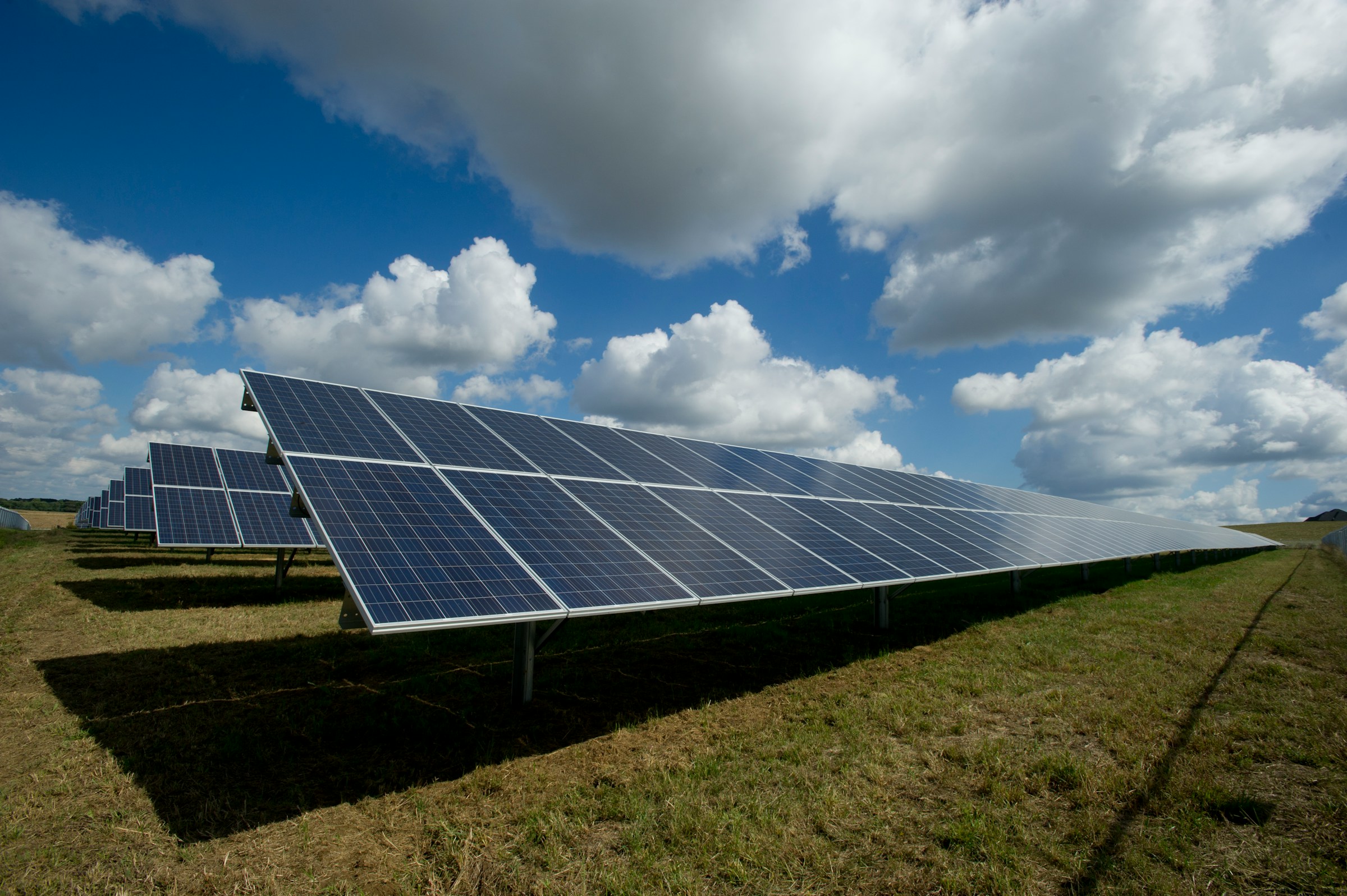
RWE has secured development consent for the 320MW Peartree Hill Solar Farm project in East Yorkshire.
The scheme is located east of Beverley and is classified as a nationally significant infrastructure project. Solar projects above 50MW are assessed through the Development Consent Order process rather than the local town and country planning system.
Peartree Hill is RWE’s second UK solar project to be granted development consent through the DCO process. The project is expected to generate enough renewable electricity to meet the equivalent energy needs of up to 230,000 homes.
The development will connect to the national electricity network through underground cables to Creyke Beck Substation. It also includes a co-located battery energy storage system, although the battery capacity has not been confirmed publicly. The project has secured a 448MW export connection.
The site has been designed to deliver more than 50% biodiversity net gain, with proposed measures including wildflower meadow, native hedgerows, tree planting, and habitat creation. The scheme also includes up to 12km of new permissive paths, picnic areas, educational features, and potential outdoor classroom space.
RWE will establish a Community Benefit Fund of up to £4.2m over the project’s operational lifetime. The independently managed fund will support local initiatives and community projects, with funding decisions informed by local representatives.
Peartree Hill adds to a run of large UK solar consents, including the Dean Moor project in Cumbria, where development consent has also been granted for utility-scale solar capacity. Further details on Dean Moor are available at electricalnews.co.uk.
Large solar projects now sit at the intersection of planning, grid connection, land use, biodiversity, and system flexibility. Consent is a major milestone, but delivery still depends on grid works, procurement, construction sequencing, battery integration, commissioning, and route-to-market arrangements.
Peartree Hill’s export connection is a central part of the project because grid access remains one of the most important constraints on UK renewable deployment. The first major reformed grid offers from NESO, described at electricalnews.co.uk, marked a shift toward prioritising projects that are strategically aligned and capable of progressing.
The inclusion of battery storage reflects wider pressure on solar developers to address generation timing and local network impact. A battery can shift output, provide services, reduce exposure to low-price periods, and improve use of connection capacity. Battery sizing, control strategy, connection conditions, and market participation will determine the final operating profile.
Solar schemes of this scale are also expected to demonstrate environmental and community value alongside generation output. Biodiversity net gain, permissive access, community funds, and landscape mitigation have become core parts of planning consent, particularly where developments occupy large rural sites.
The next phase for Peartree Hill will test how quickly a consented nationally significant solar project can move through detailed design, supply-chain procurement, grid coordination, and construction. The UK’s clean-power targets depend on that conversion rate: approved capacity must become connected capacity before it can support generation, resilience, or price stability.