IN Brief:
- GTC is hosting a technical webinar on networked ground source heat pumps for new housing developments.
- The session will cover ground arrays, drilling, heat pumps, controls, passive cooling, compliance, maintenance, and live project lessons.
- The event takes place on 7 July and requires advance registration.
GTC is hosting a technical webinar on 7 July examining how networked ground source heat pumps can support low-carbon heating in new housing developments.
The online session will focus on the design, delivery, and long-term operation of low-carbon heat infrastructure. It will cover networked ground source heat pump systems as an alternative to traditional gas networks in new residential communities.
The agenda includes smart heat networks, ground array design and installation, drilling programmes, infrastructure delivery, heat pumps, controls, in-home systems, passive cooling, compliance requirements, service and maintenance, and lessons from live developments.
The speaker panel includes Adam Tkacz, Sustainable Heat Business Development Director at GTC; Steffan De Vries, Director of Drilling at Kensa; George Gillow, New Build Frameworks Manager at Kensa; Emily Proud, Senior Engineer at Metropolitan; and Jack Brayshaw, Technical & Innovation Director at Vistry.
Attendance is free, with advance registration required through the webinar registration page.
Networked ground source heat pump systems are becoming more prominent as housing developers, utilities, and local authorities prepare for lower-carbon building standards and the declining role of gas in new developments. The model uses shared ground arrays and distributed heat pumps to provide heating, and in some cases passive cooling, across multiple properties.
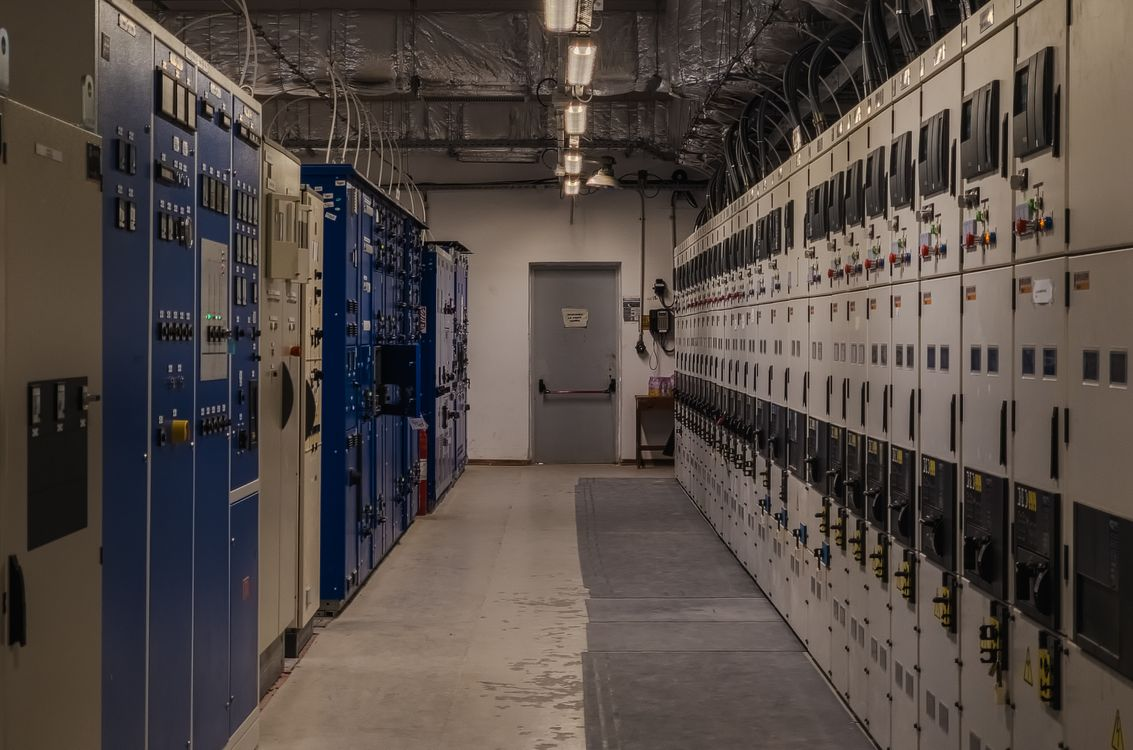
The electrical requirements are substantial because heat electrification changes load profiles at development level. New housing sites require connection planning, cable and substation capacity, metering, controls, consumer interfaces, and asset-management arrangements that work across the whole development rather than one dwelling at a time.
Ground array design determines long-term thermal performance, while drilling programmes influence cost, site sequencing, safety planning, and the interaction with other civil works. Controls determine how efficiently individual homes draw from the system, and maintenance arrangements shape resident experience long after the construction phase has ended.
Compliance is also becoming more complex. SAP, the incoming Home Energy Model, overheating requirements, and development-level energy strategies all influence design decisions. Passive cooling is increasingly relevant because housing decarbonisation is not confined to winter heating performance. Summer overheating, fabric quality, and future climate conditions are moving into mainstream building-services design.
For new housing sites, networked ground source heat can provide an infrastructure-led alternative to plot-by-plot heating decisions. That can improve coordination and reduce fragmented energy design, but it places more responsibility on early-stage utility planning, financing, adoption, resident billing, and service standards.
The delivery details will carry much of the technical value of the webinar. Ground arrays must be installed around other site activity, drilling needs to be sequenced without obstructing the construction programme, controls must be commissioned correctly, and passive cooling must be designed around building fabric and resident use.
As housing delivery moves away from gas, confidence in shared heat infrastructure will become more important. Projects that progress cleanly will be those where electrical design, ground works, building services, planning compliance, and long-term operation are treated as one system from the beginning rather than as separate packages joined late in delivery.