IN Brief:
- NESO has issued grid connection offers to 713 projects under the reformed Gate 2 process.
- The offers cover around 37GW of capacity across wind, solar, battery storage, gas, and hydro projects.
- The process shifts the connection queue toward project readiness and strategic alignment, rather than simple application order.
NESO has issued grid connection offers to 713 energy projects under Britain’s reformed Gate 2 process.
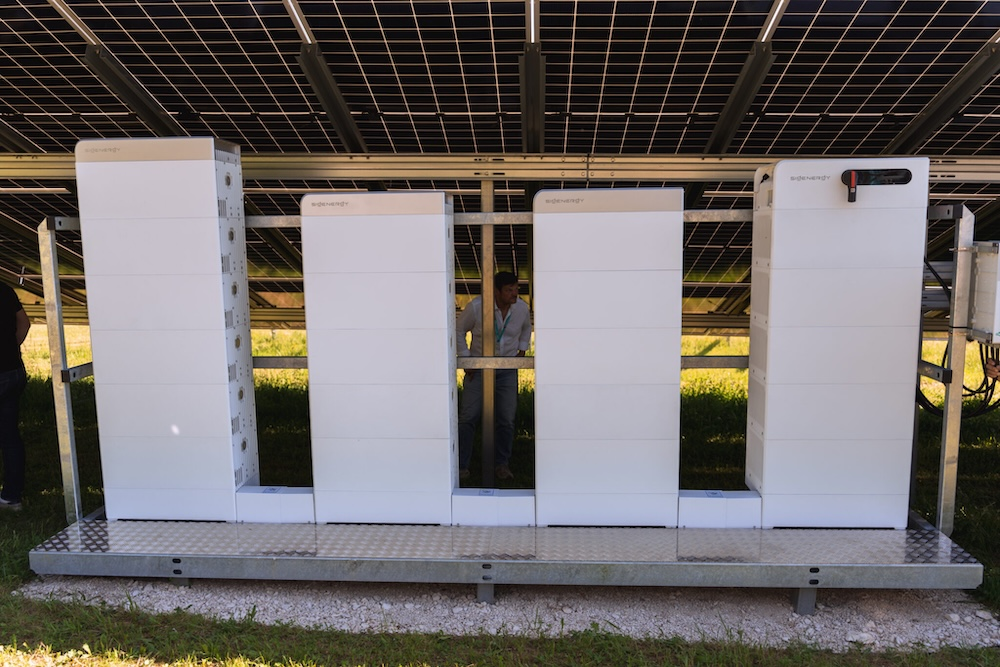
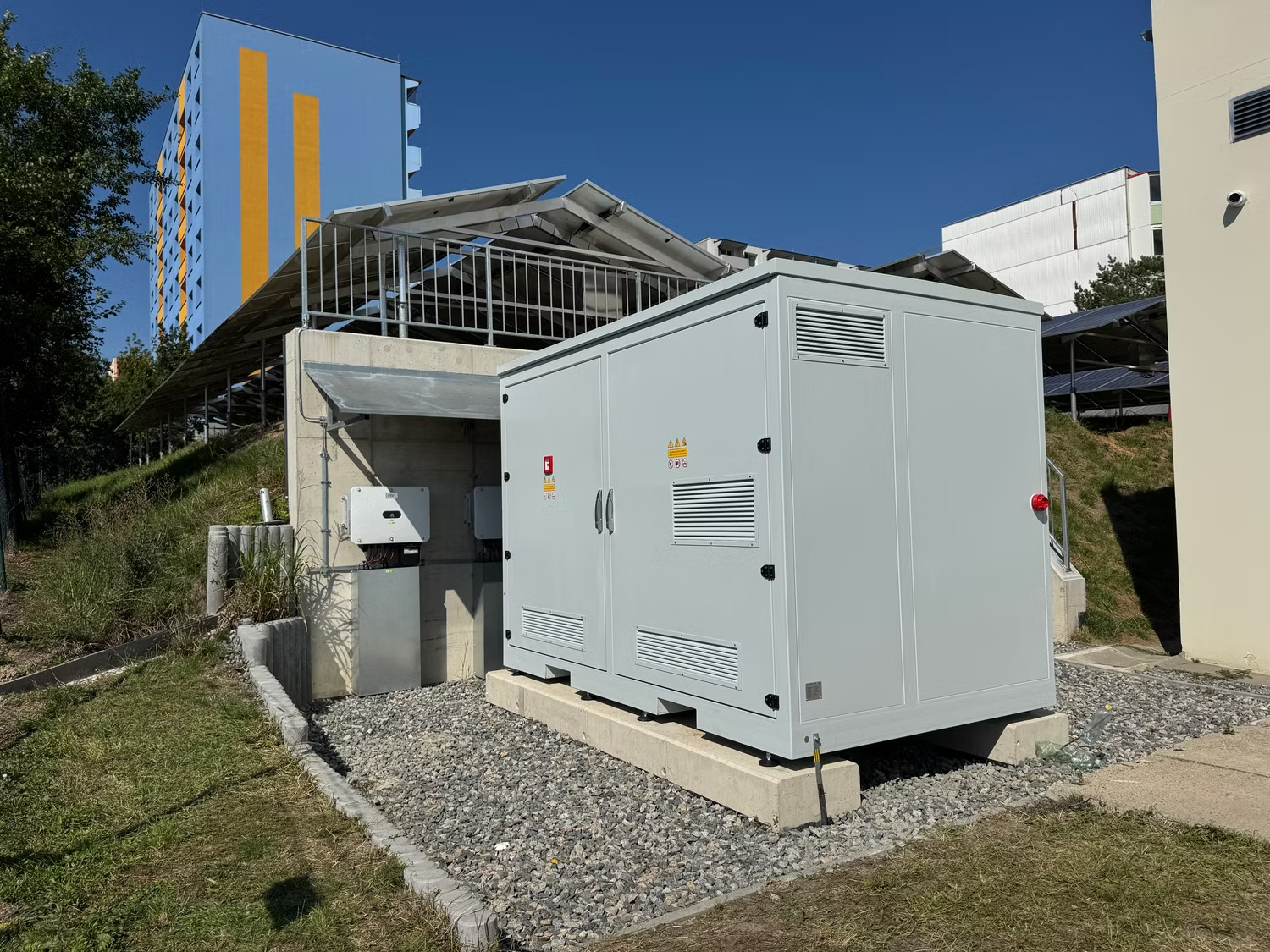
The offers cover around 37GW of prospective capacity across wind, solar, battery storage, gas, and hydro. Projects have been assessed under revised criteria that place greater weight on readiness and alignment with system needs, rather than relying primarily on the date of application.
Britain’s connection queue has long been one of the main constraints on clean energy deployment. Under the previous approach, projects could secure a place in the queue well before reaching the stage where land, planning, financing, or technical delivery were sufficiently mature. Viable projects were then left competing for capacity behind schemes that might never reach construction.
Gate 2 is designed to change that order. Projects must meet stricter readiness requirements, including planning and land criteria, while also demonstrating a credible route to delivery. The process is intended to reserve network capacity for projects that can progress, rather than allowing speculative positions to block the queue.
The 37GW of offers represents a substantial release of connection capacity, although Britain’s 2030 power system will require a much larger volume of connected assets across generation, storage, and demand-side infrastructure. Receiving an offer is only one step; projects still need to move through planning, procurement, financing, construction, grid works, commissioning, and energisation.
Connection reform is arriving as pressure on the grid grows from several directions at once. Offshore and onshore renewables need export routes, battery storage needs connection points, industrial users are electrifying heat and process loads, and data centres and EV charging sites are expanding demand. A queue based mainly on chronological order was poorly suited to that mix.
Administrative reform must now be matched by physical reinforcement. National Grid’s request for £4.5bn of reinforcement funding shows the scale of investment still required in circuits, substations, transformers, control systems, and supporting infrastructure. Queue reform can make better use of available capacity, but it cannot substitute for assets that still need to be built.
For developers, Gate 2 creates a clearer link between project maturity and network access. That should reward schemes with secured land, credible planning progress, and stronger delivery plans. It may also force earlier decisions on projects that have remained in the queue without moving toward construction.
For network companies and system planners, the shift creates a more disciplined pipeline. A connection queue that better reflects deliverable projects gives a more reliable basis for reinforcement planning, procurement, workforce scheduling, and regional capacity allocation. It also helps identify where the remaining bottlenecks are physical rather than administrative.
The effectiveness of the reform will be measured by energised capacity rather than offer volume. Britain needs projects that connect on time, operate reliably, and match the needs of a more electrified economy. The first Gate 2 offers provide a cleaner starting point for that process, but delivery will depend on whether planning decisions, grid investment, and project execution now move at the same pace.