IN Brief:
- TotalEnergies has installed 66 new 22kW charge points across the London Borough of Islington.
- Each installation provides two dedicated EV parking bays through an AC 22kW dual-connection charger.
- The rollout takes TotalEnergies’ Islington network to 415 sockets.
TotalEnergies has expanded its EV charging network in Islington with the installation of 66 new 22kW charge points across the borough.
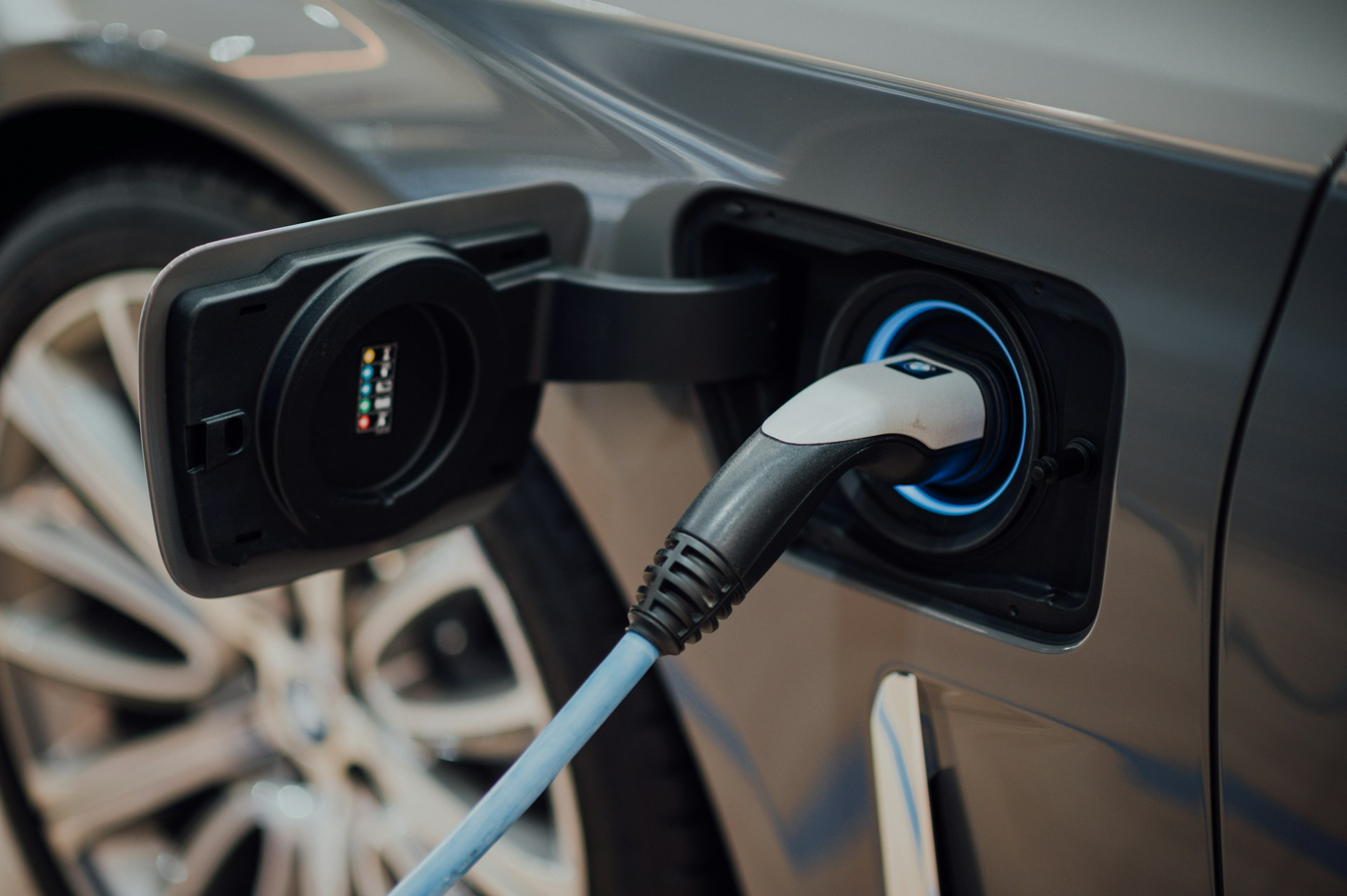
The rollout covers high-demand areas including Caledonian, Canonbury, Hillrise, and Finsbury Park. Each installation provides two dedicated EV parking bays, energised through an AC 22kW dual-connection charger.
The latest deployment adds 132 sockets and takes the TotalEnergies network in the borough to 415 sockets. Drivers can locate charge points, check availability, and plan charging through the TotalEnergies Charge Europe app or online charger map.
Access is available through membership subscription or pay-as-you-go contactless payment at each charger. The AC charging power range is suited to overnight charging or shorter daytime top-ups, with full-charge times dependent on vehicle battery size and onboard charger capability.
Urban EV infrastructure is increasingly being delivered through a mix of lower-power distributed charging and higher-power hub-based charging. Ultra-rapid chargers tend to attract more attention because they concentrate large loads and require substantial grid capacity, while kerbside AC networks address a different problem: residents and visitors who park for several hours but do not have access to private off-street charging.
London’s charging network already shows that split. The Heathrow-area ultra-rapid hub opened by Fastned, detailed at electricalnews.co.uk, provides 400kW chargers at a dedicated charging location. Islington’s rollout occupies the lower-power urban end of the system, where availability, street design, parking access, and local network capacity determine user experience.
The distinction changes the electrical design problem. A rapid hub concentrates load in one location and may require significant reinforcement, dedicated capacity, high-availability equipment, and careful peak-demand management. Distributed 22kW AC points spread demand across more streets and connection points, but they still require coordination around feeder capacity, protective devices, civil works, metering, communications, and maintenance.
AC charging is shaped by dwell time. Residential and kerbside users often leave vehicles parked for several hours, making 7kW to 22kW charging suitable where immediate turnaround is not required. That gives local authorities and charge point operators more deployment options than a rapid-only model, particularly where streets lack space for larger charging hubs.
For installation teams, the operational burden is spread across many small assets rather than concentrated in a single high-power site. Site surveys, feeder checks, cable routes, reinstatement, bay marking, signage, payment systems, software integration, and commissioning must be repeated across multiple streets. Long-term reliability then depends on connector durability, fault response, network monitoring, and clear ownership of maintenance.
The Islington deployment also underlines the importance of coverage density. Sparse public charging leaves drivers dependent on a small number of bays, increasing the risk that spaces are occupied or chargers unavailable. A denser network improves practical access, provided utilisation data, payment systems, and maintenance keep pace with physical deployment.
EV charging infrastructure is not a single technology category. Fleet depots, motorway hubs, destination charging, workplace installations, residential driveways, and kerbside public networks all draw on different electrical designs and commercial models. The Islington rollout adds capacity to the part of the system most closely linked to dense urban housing and residents without private parking.