IN Brief:
- SELECT has secured backing from two newly elected SNP MSPs for regulation of the electrical industry.
- The campaign seeks protection of title, making it an offence to call oneself as an electrician without appropriate qualifications.
- Electrical competence is becoming more prominent as buildings, heat, transport, and energy systems become more integrated.
SELECT has secured early backing from two newly elected SNP MSPs for its long-running campaign to regulate the electrical industry in Scotland through protection of title for electricians.
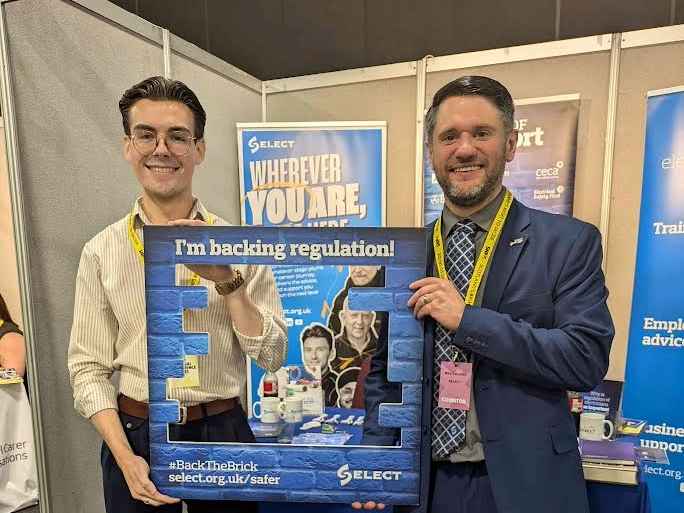
David Barratt, MSP for Cowdenbeath, and Lloyd Melville, MSP for Angus South, have added their support to SELECT’s Wall of Support as the new Scottish Parliament begins its term. The campaign seeks to make it a statutory offence for someone to describe themselves as an electrician without holding appropriate qualifications.
The Wall of Support has built cross-party and sector backing over several years, including support from MSPs, industry bodies, and construction-sector organisations. SELECT runs the campaign in partnership with bodies including the Scottish Joint Industry Board, the Scottish Electrical Charitable Training Trust, and Unite the Union.
Sharon Miller, Managing Director Designate of SELECT, said: “Securing the backing of two newly-elected MSPs so soon after the election is an encouraging start to the fresh parliamentary term and underlines a continuing appetite at Holyrood to address the issue.”
Protection of title is intended to strengthen public safety, improve professional recognition, and protect the reputation of qualified electrical workers. Electrical work already sits within a framework of technical standards, inspection, certification, and competence requirements, but the job title itself is not protected in the same way as some other regulated professions.
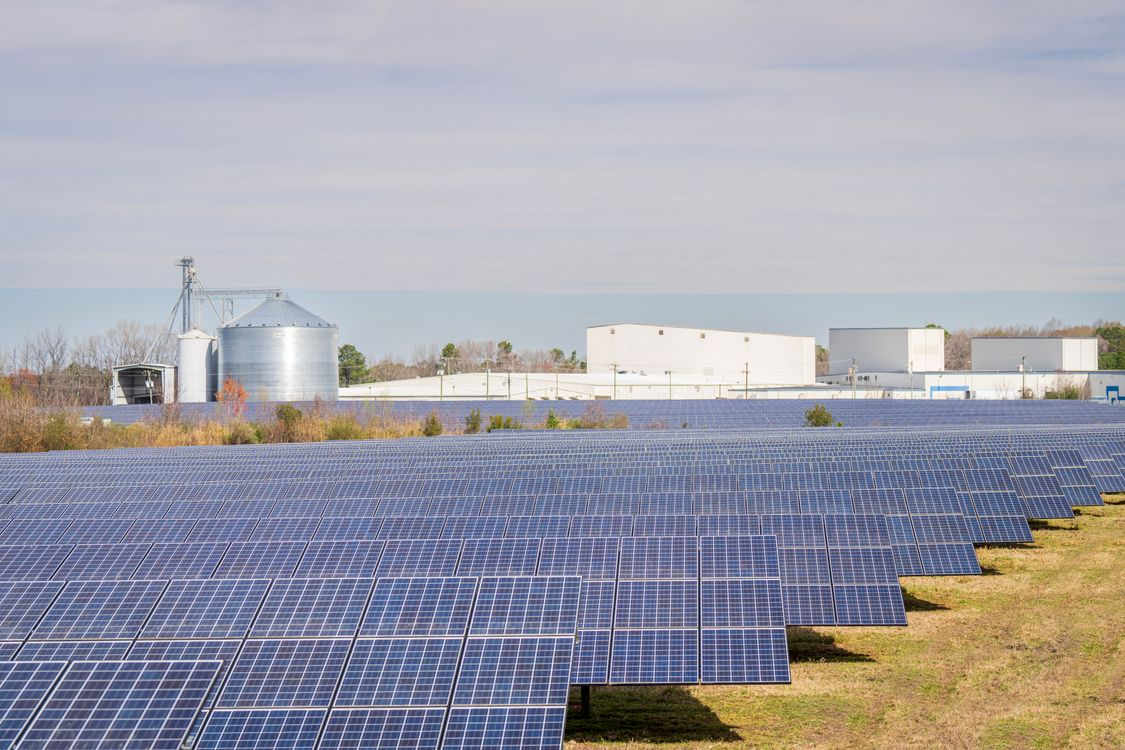
The campaign is gaining renewed relevance as electrical systems become more complex. Domestic, commercial, and industrial installations increasingly combine solar PV, battery storage, EV charging, heat pumps, smart controls, data communications, energy monitoring, and demand-side flexibility. The risk profile of poor installation is no longer confined to a single circuit or appliance; it can affect building safety, energy performance, grid interaction, and long-term system reliability.
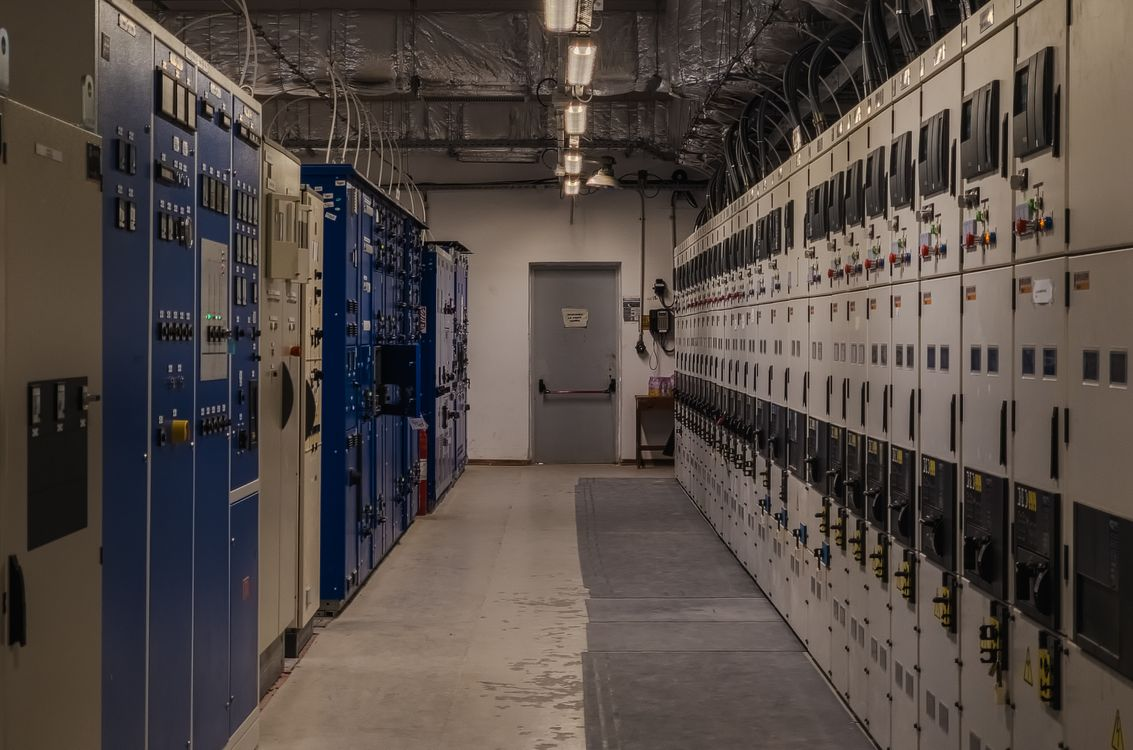
Grid-readiness work across automation, flexibility, data centres, and contracting competence reflects the same shift, with the April edition asking whether the grid can keep up as electrical infrastructure becomes more digitally controlled and capacity constrained. The technical centre of electrical work is moving outward from conventional installation into integrated energy systems, where knowledge of protection, switching, metering, communications, and control is increasingly important.
SELECT’s position is that regulation of the profession is the most effective way to ensure that work is carried out by properly trained and qualified professionals. The association has argued for more than a decade that unqualified electrical work creates risks for consumers and weakens confidence in the trade.
Scotland’s net zero infrastructure agenda adds further pressure. Electrified heating, transport charging, local generation, and building upgrades will all require competent installation at scale. Labour availability matters, but so does the quality of the labour deployed. A larger market for electrical work can raise standards if training, apprenticeships, assessment, and regulation move with it; it can also create risk if demand pulls in underqualified operators.
Ms Miller said: “Electrical systems are becoming ever more complex as Scotland moves towards a net zero future, and it is vital that the work is carried out only by properly trained and qualified professionals. Regulation of the profession of electrician remains the most effective way to ensure this.”
The campaign did not feature prominently in pre-election party manifestos, but SELECT has moved quickly to rebuild parliamentary engagement. Early support from new MSPs does not change the law, although it keeps protection of title in the policy discussion at the start of the new term.
Competence is becoming a delivery issue as much as a safety issue. Grid reinforcement, low-carbon heating, distributed generation, EV charging, and smart-building control all depend on installations that are correctly designed, installed, tested, documented, and maintained. Policy targets can create demand, but the quality of electrical work determines whether those systems perform safely over their service life.