IN Brief:
- Copenhagen Infrastructure Partners has completed its acquisition of Ørsted’s European onshore renewables business.
- The acquired portfolio has been established as Perigus Energy, covering wind, solar, and battery storage assets.
- The platform includes 826MW of installed and under-construction capacity across Ireland, Germany, the UK, and Spain.
Copenhagen Infrastructure Partners has completed its acquisition of Ørsted’s European onshore wind and solar business and launched Perigus Energy as a standalone renewable energy platform.
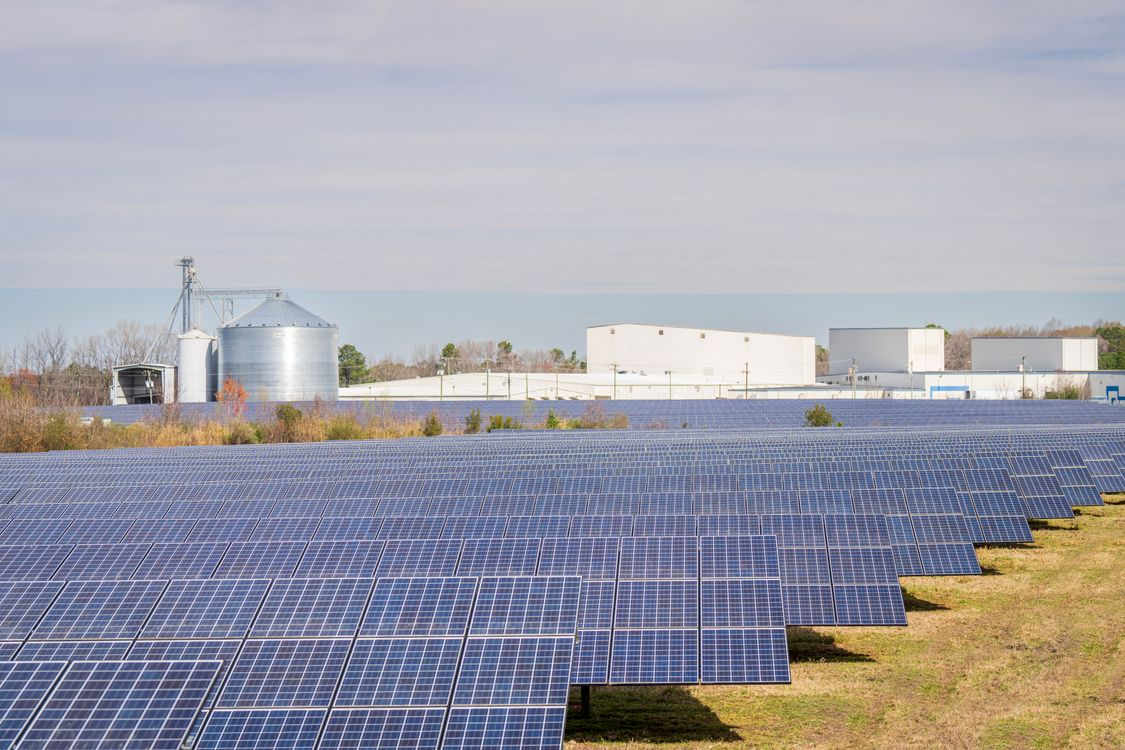
The transaction was carried out through CIP’s fifth flagship fund, CI V. Perigus Energy brings together an installed and under-construction portfolio of 826MW across Ireland, Germany, the United Kingdom, and Spain. The portfolio includes 578MW of operational capacity, 248MW under construction, and a broader multi-gigawatt development pipeline.
The platform combines onshore wind, solar, and battery storage assets and will operate as an independent company headquartered in Cork, Ireland, with additional offices across several European countries. Current operational output is expected to supply renewable electricity equivalent to the consumption of approximately 600,000 European households.
The transaction follows Ørsted’s decision to streamline its business and concentrate its European development focus more heavily on offshore wind. CIP gains an integrated onshore platform with development, construction, and operational capability across multiple technologies.
The creation of Perigus Energy reflects the continuing restructuring of the European renewables market. Large energy companies are reassessing which technologies and geographies sit at the centre of their capital allocation plans, while infrastructure investors continue to seek platforms that combine operating cashflow with development pipelines.
Onshore renewables can provide shorter development cycles than offshore wind and can be combined with storage to improve dispatchability and grid value. The addition of battery storage within the platform is particularly relevant as European markets move towards higher renewable penetration and more volatile intraday pricing.
Storage is becoming a strategic component of renewable portfolios rather than a separate asset class. Co-location can improve grid connection utilisation, reduce curtailment exposure, and allow generators to shift output into higher-value periods. Standalone storage can also provide balancing, ancillary services, and network support, depending on market rules and connection arrangements.
The geographic spread of the Perigus portfolio adds complexity as well as scale. Ireland, Germany, the UK, and Spain each face different grid constraints, market structures, and permitting conditions, while all four markets are dealing with renewable generation growth that is testing network capacity in several regions. Platforms that combine development experience with operational data are better placed to adapt to those conditions than isolated project vehicles.
The European renewables market is moving beyond pure megawatt growth. Asset owners increasingly need grid strategy, storage integration, revenue optimisation, and lifecycle management capability. That favours platforms able to operate across technologies and markets, particularly as merchant exposure and balancing-market participation become more important to project economics.
Perigus Energy enters the market with operational scale and a development pipeline. Its longer-term value will depend on execution across construction, grid access, storage deployment, and market optimisation. The acquisition strengthens CIP’s European onshore position as renewable ownership becomes more technical, more localised, and more closely tied to power system flexibility.