
IN Brief:
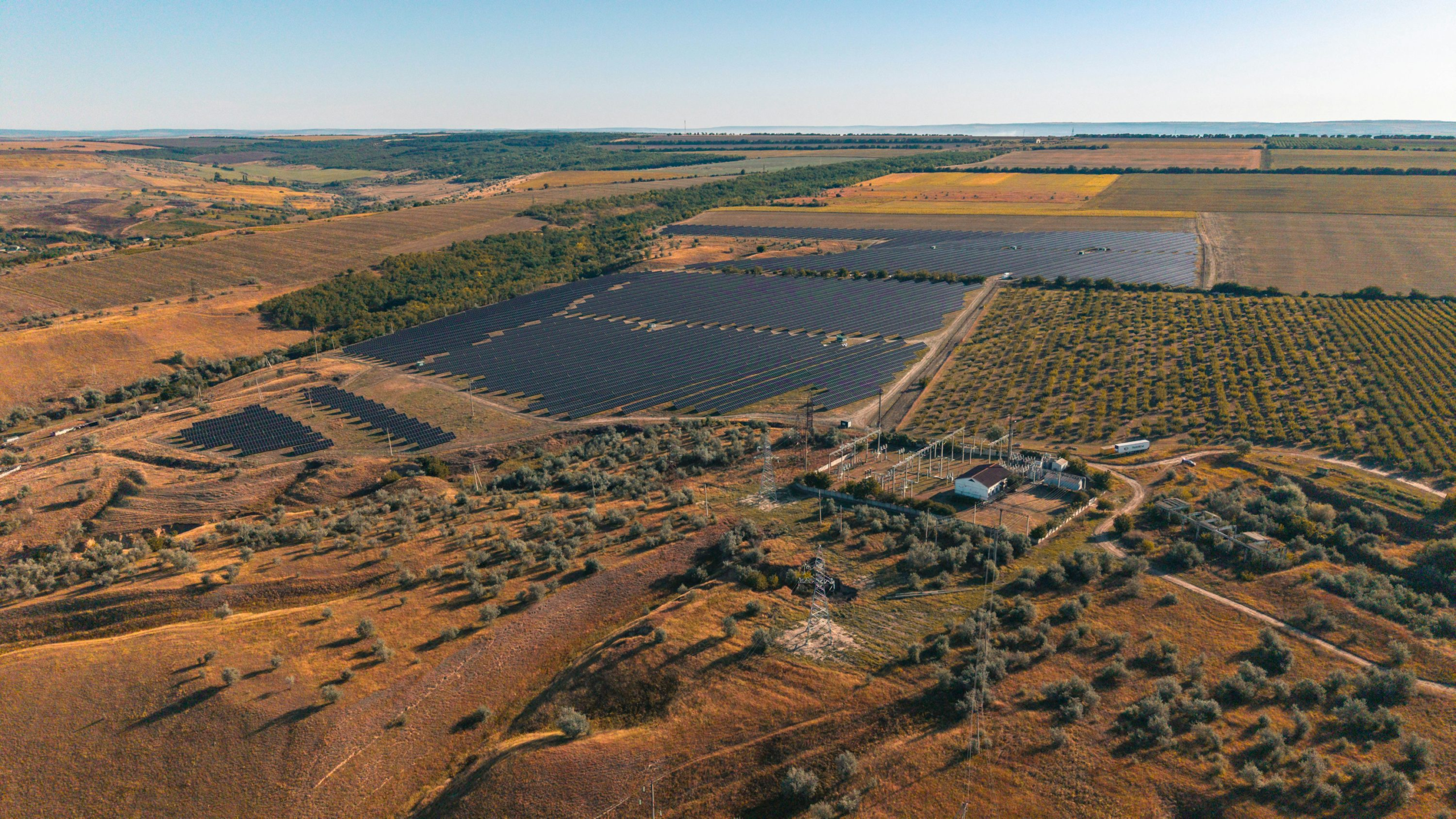
- Zelestra's 27.5MWdc Klevenow solar farm has entered full commercial operation in Mecklenburg-Vorpommern.
- Approximately 42,300 modules are expected to generate around 28,700MWh annually under a project awarded through Germany's EEG tenders.
- Two more solar projects and Zelestra's first German BESS are expected to enter construction during the second half of 2026.
Zelestra has brought its 27.5MWdc Klevenow solar plant into full commercial operation in Mecklenburg-Vorpommern, giving the renewable developer its first operating asset in Germany.
The Zelestra project comprises approximately 42,300 photovoltaic modules and is expected to generate around 28,700MWh of electricity annually. The plant was awarded through Germany’s EEG tender system and was completed in less than six months.
Klevenow supported around 40 jobs during construction, while Zelestra estimates annual avoided emissions of approximately 9,500 tonnes of carbon dioxide. For the power system, however, the more immediate change is another utility-scale variable generator moving from the development pipeline into commercial operation.
That distinction is increasingly relevant as European renewable pipelines become much larger than the volume of projects reaching energisation. Land rights, planning permission, auction awards, and finance can establish a project, but grid connection, procurement, construction, commissioning, and market registration determine whether it actually produces electricity.
German portfolio begins to move into operation
Klevenow establishes an operating reference for Zelestra as it expands its position in Germany. The company says two further solar projects and its first German battery energy storage system are expected to enter construction during the second half of 2026.
Those additions are expected to take its combined operational and construction-stage German portfolio above 200MW. Zelestra’s longer development pipeline in the country exceeds 2GW across solar and battery storage, leaving a substantial gap between projects under development and assets either operating or physically being built.
The German EEG tender framework provides part of the route to market for projects such as Klevenow, but an auction award does not remove execution risk. Developers still have to secure equipment, contractors, network works, finance, and a viable commissioning sequence before the supported capacity contributes to generation.
The plant’s expected 28,700MWh annual production equates to a capacity factor consistent with a northern European photovoltaic project. Solar irradiation is lower than in southern European markets, but modern modules can still produce substantial annual output where site design, orientation, electrical losses, and availability are well controlled.
The network consequence changes as the fleet becomes larger. Individual solar farms are predictable enough on a day-ahead basis, but thousands of installations responding to the same weather system can produce large simultaneous increases and reductions in power across the grid.
That creates periods when additional solar output depresses wholesale prices and increases the value of flexibility, followed by ramps as daylight fades while electricity demand continues. Germany is already adapting market and network arrangements around those operating patterns rather than treating renewable integration as a simple exercise in adding annual megawatt-hours.
Battery development follows solar growth
Zelestra’s decision to add a German battery project to its construction programme fits that changing system. Battery storage can absorb electricity during periods of lower prices or excess supply and discharge later, while also participating in balancing and ancillary-service markets where the technical configuration allows.
Solar and storage do not have to share the same connection to influence one another commercially. At portfolio and system level, increasing battery capacity provides another source of flexible demand during periods of high renewable production and flexible supply when generation falls.
Germany has also preserved grid-fee relief for qualifying storage projects commissioned before August 2029, giving developers greater certainty over an important part of operating cost. The regulatory clarification strengthens the investment context for companies moving battery projects from development into construction over the next three years.
Storage revenues remain less predictable than a simple capacity pipeline implies. Battery projects may combine wholesale trading, balancing services, ancillary markets, and contractual arrangements, with returns depending on cycling strategy, duration, degradation, connection conditions, and competition from other flexible assets.
Zelestra’s broader German strategy includes solar, battery storage, wind, and green hydrogen. That gives the company several routes into the electricity market, although each technology carries different connection requirements, construction risks, and commercial models.
Klevenow is comparatively modest beside a stated 2GW-plus pipeline, but commercial operation is the stage at which the project begins generating rather than occupying a development presentation. It also gives Zelestra operating data, maintenance experience, and a German market track record that can be applied to the projects following behind it.
The next meaningful measure will be whether the two additional solar projects and first German BESS enter construction as planned during the second half of the year. Crossing 200MW of operating and construction-stage capacity would still leave most of Zelestra’s development pipeline on paper, but it would show more of that pipeline crossing into physical electrical infrastructure.
Germany already has abundant renewable development ambitions. The tougher measure is connected capacity delivering through real substations and grid agreements, and Klevenow gives Zelestra its first operational entry on that side of the ledger.

