IN Brief:
- Energoatom reported that the 330kV Ferosplavna-1 line was reconnected at 17:41 local time on 8 November.
- The outage was the IAEA's 27th recorded complete loss of off-site electricity at the six-reactor plant since the invasion.
- Emergency diesel generators supplied essential safety loads during the interruption, while the main Dniprovska transmission line remained unavailable.
External electricity supplies to Ukraine’s Zaporizhzhia nuclear power plant were restored on Sunday 8 November after the station briefly lost its only operating grid connection and switched to emergency diesel generators. Ukraine’s nuclear operator, Energoatom, reported that the 330kV Ferosplavna-1 line was reconnected at 17:41 local time. The International Atomic Energy Agency (IAEA) had earlier described the interruption as the twenty-seventh complete loss of off-site power at the six-reactor facility since the invasion began in 2022. The immediate interruption has ended, but the restoration does not remove the station’s underlying dependence on a single external electricity route.
The Ferosplavna-1 connection disconnected in the early hours of Sunday, leaving the plant without incoming power from the transmission system. Emergency diesel generators then supplied the electrical equipment needed to maintain essential nuclear safety functions. At the time of the disconnection, the IAEA said its team at the station had not determined the cause or location of the fault. The agency’s assessment of the event therefore established the loss of supply and the operation of standby generation, without attributing the incident to a particular strike or damaged network component.
Zaporizhzhia’s six reactors are not producing electricity, but cooling, instrumentation, monitoring, and other safety services continue to require reliable electrical power. Shutdown nuclear fuel still generates residual heat, and spent fuel storage also depends on systems maintained to defined safety requirements. Loss of the incoming grid supply makes the station reliant on the availability of emergency equipment and the distribution circuits that connect generators to essential loads. Restoration of a functioning external feed reduces that reliance, although backup generation must remain ready for further interruptions.
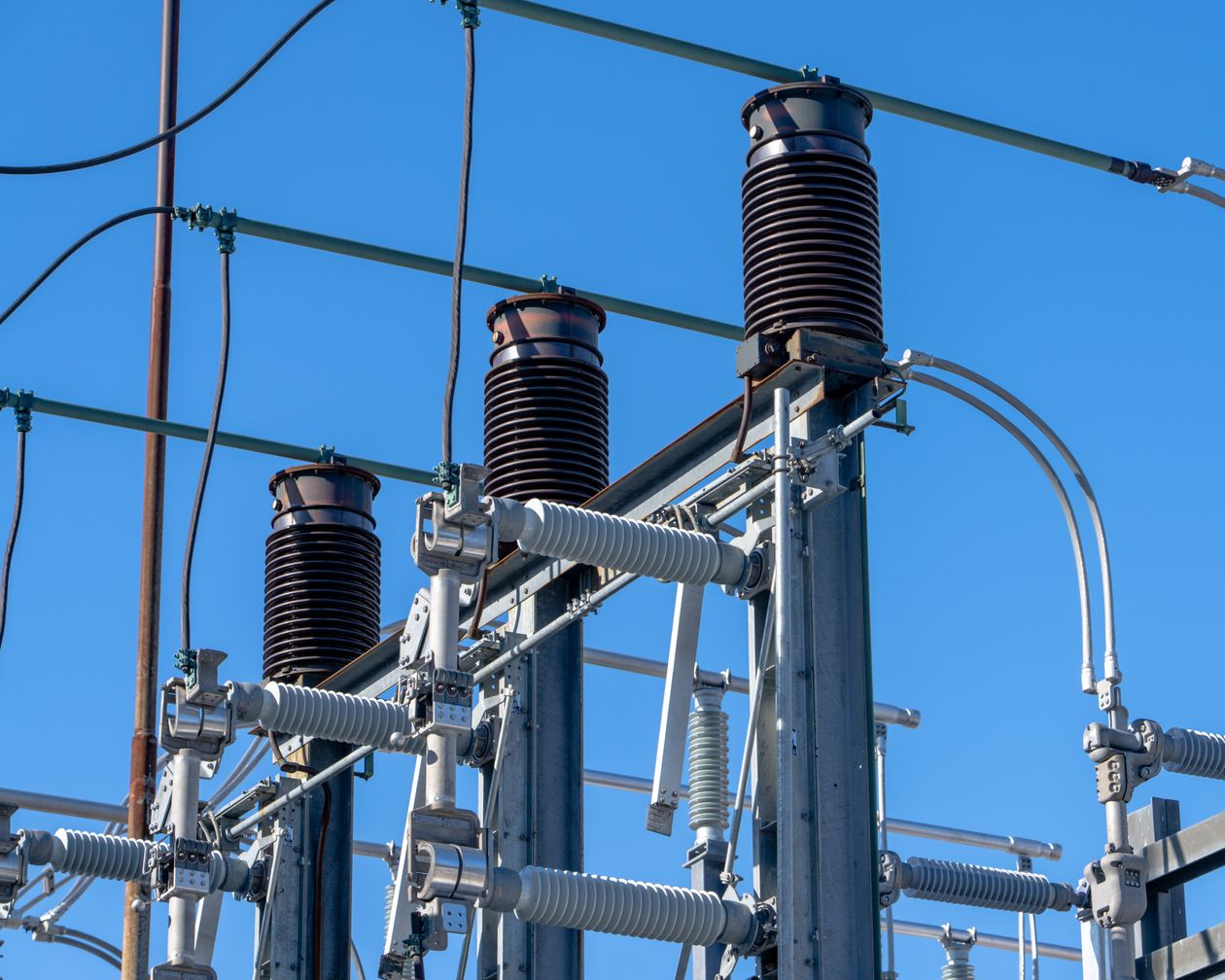
Electrical redundancy at the site had already been sharply reduced. The main 750kV Dniprovska transmission line remained unavailable in the IAEA’s latest reported assessment, leaving the 330kV Ferosplavna-1 route as the station’s remaining external supply. Its disconnection therefore removed the last live grid feed, rather than triggering a transfer to a second operating transmission line. Even after Sunday’s reconnection, the continued unavailability of the main line leaves the plant exposed to further single-route failures until additional supply resilience is restored.
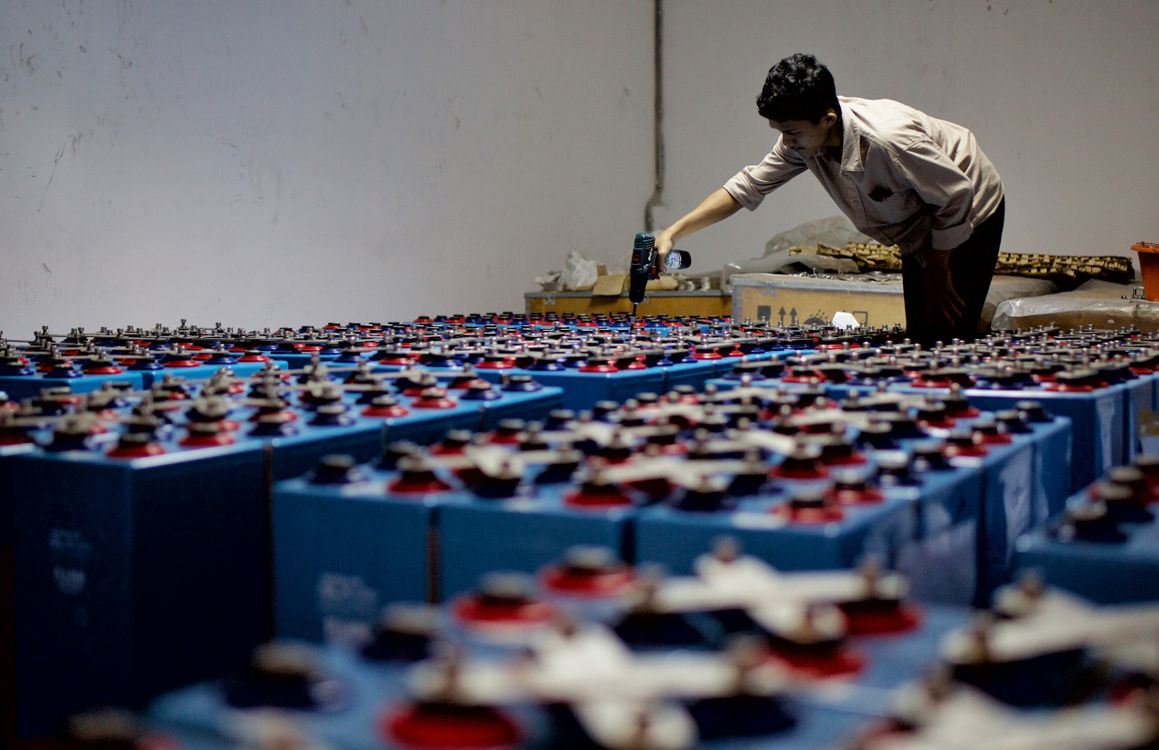
During the outage, the IAEA said reported diesel reserves were sufficient to operate a limited number of emergency generators for approximately two weeks. That estimate concerned fuel available under the reported operating conditions and was not a statement that every generator could operate continuously at full load for that period. Diesel-driven emergency supply also depends on engine availability, electrical distribution, cooling arrangements, maintenance, and access to replenishment. With external power restored, the immediate demand on standby generation changes, but maintaining its readiness remains an essential safeguard.
The plant’s Russian-installed management said the Ferosplavna connection had been isolated by automatic protection and reported damage, while stating that radiation readings at the station and in its surrounding monitoring area were normal. Protection systems can disconnect equipment when abnormal electrical conditions are detected, preventing a fault from propagating through connected circuits. The operation of a relay or circuit breaker alone cannot establish the initiating cause or physical location of the problem. The IAEA’s early assessment did not independently confirm the origin of the disconnection, and the restoration report does not resolve that question.
Energoatom said the 17:41 reconnection returned electricity to the station through Ferosplavna-1, ending the period of complete dependence on diesel generators. The operator described the incoming supply as electricity from Ukraine’s power network. Restoration of voltage to an external line does not, by itself, establish that the wider transmission system has regained redundancy or that the main Dniprovska route is serviceable. The station’s safety position depends on continued power delivery, reliable internal distribution, and the ability to respond if the remaining connection is interrupted again.
Ferosplavna-1 has suffered prolonged interruptions before, including a disconnection on 20 August that lasted until 7 September, when repairs under locally arranged ceasefire conditions allowed the line to return to service. That earlier incident required physical work on transmission infrastructure before the line could be returned to service. The latest interruption was substantially shorter, but the need for repeated restoration demonstrates the operational pressure placed on both the plant and the surrounding electricity network.
Russian forces have controlled the plant since 2022, while an IAEA team remains on site to monitor nuclear safety and security conditions. The agency has repeatedly identified reliable off-site electricity as a fundamental safety requirement, regardless of whether the reactors are generating power. Its presence also enables independent reporting of the status of incoming lines and emergency arrangements, although access and the information available at any given time can limit the precision of an initial fault assessment. Reports of normal radiation readings during Sunday’s outage do not remove the need to maintain cooling and other essential electrical services.
By Sunday evening, the plant was again receiving external power through Ferosplavna-1 after its period on diesel generation. The cause of the interruption and the availability of the Dniprovska connection still require further confirmation. Until a second dependable external route is available, the site’s electrical resilience will continue to depend on one operating transmission feed backed by emergency generators. The next significant network development would be restoration of additional off-site supply capacity, alongside sustained operation of the reconnected line.