IN Brief:
- Endurium module energy capacity has risen from 342kWh to 516kWh, described by Invinity as an approximately 50% increase.
- Peak power output has increased by a reported 33%, with the revised module rated at 125kW peak.
- The upgrade incorporates larger electrolyte tanks, revised electrical distribution equipment, and improved fluid management controls.
Invinity Energy Systems has released an upgraded version of its Endurium vanadium flow battery module for general sale, increasing energy capacity from 342kWh to 516kWh and raising peak power output by a reported 33%. The revised design combines larger electrolyte tanks with electrical system improvements and updated fluid management controls, allowing more storage capacity to be installed using fewer modules.
The manufacturer announced the performance changes on 9 November 2026 as part of its programme to improve product cost and manufacturability. It describes the increase in module energy capacity as 50%, although the published values represent approximately 50.9% when calculated directly. The percentage is therefore a rounded description rather than an exact mathematical change.
Each updated module provides 516kWh of stated energy capacity and a peak power capability of 125kW. Those ratings describe different aspects of operation. Kilowatt-hours measure the amount of electrical energy a battery can store, while kilowatts measure the rate at which it can charge or discharge under the specified conditions.
The power improvement has also been expressed as a 33% increase, but Invinity has not provided the previous module’s peak rating in its latest public product explanation. The 125kW specification should not be interpreted as a verified continuous operating rating or used on its own to calculate a guaranteed discharge duration.
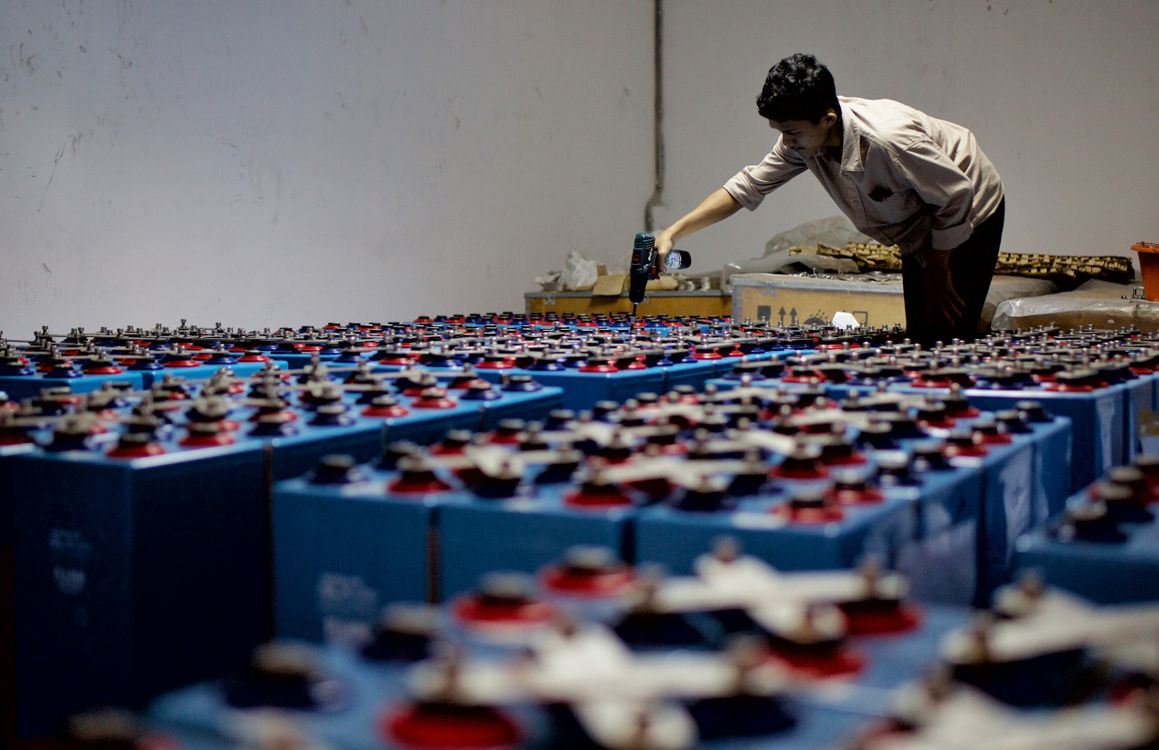
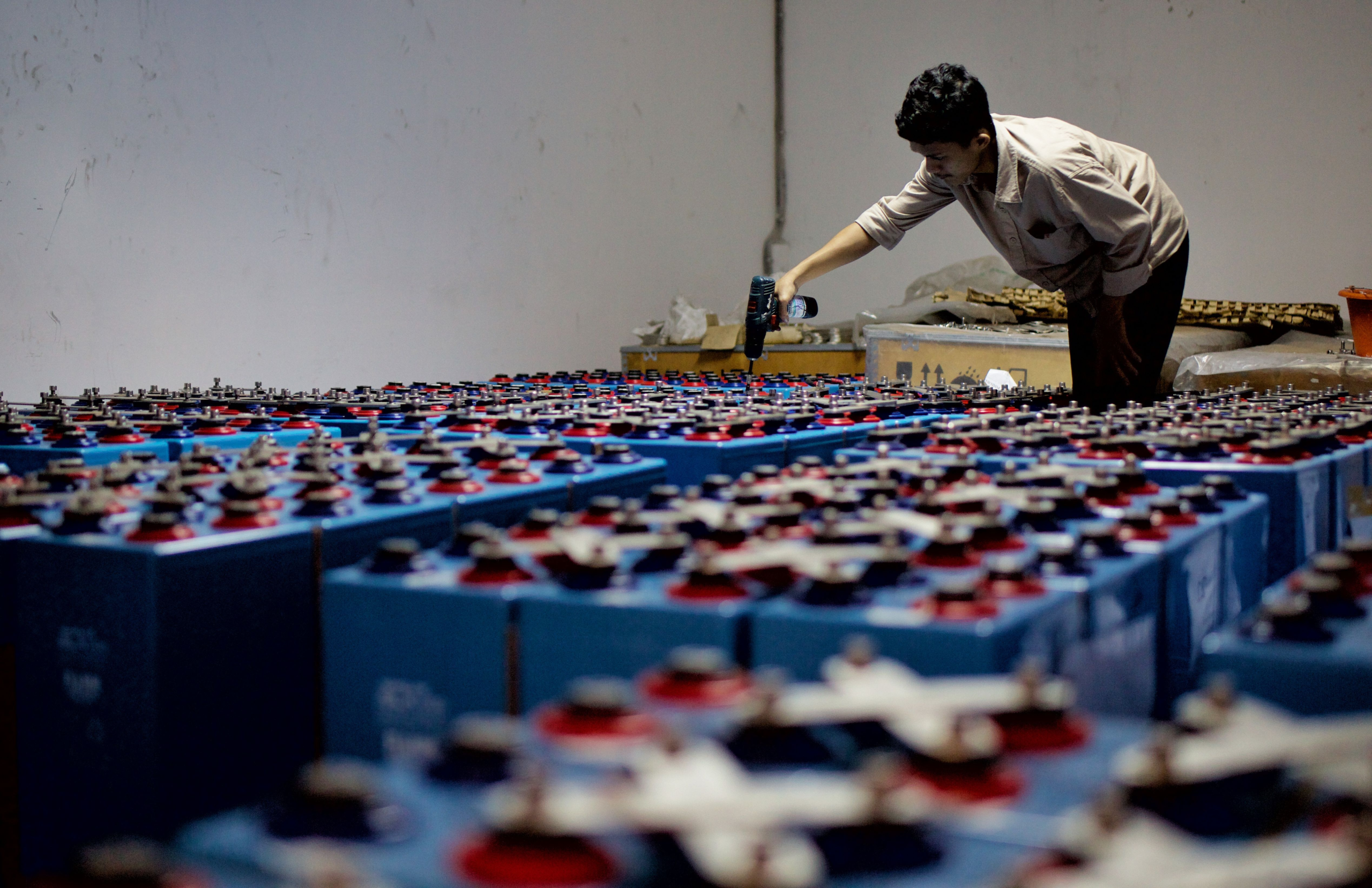
Vanadium flow batteries store electrical energy through liquid electrolytes held in external tanks. During operation, pumps circulate the electrolytes through electrochemical cell stacks, where electrical energy is absorbed during charging or released during discharging. The arrangement separates much of the energy storage function from the equipment that determines the electrical power rating.
That separation creates a route to increasing stored energy by changing electrolyte volume. Larger tanks can hold more active material, but hydraulic systems, electrical components, and controls must also be suitable for the revised operating arrangement. Simply enlarging a tank does not establish that every other part of a battery will deliver the required power or efficiency.
Invinity has increased the electrolyte capacity of the Endurium module while upgrading its electrical and power distribution subsystems. The changes are supported by revised algorithms governing fluid management and system operation. According to the company, development experience from more than 2,000 operating flow batteries contributed to the updated control arrangements.
The electrochemical stacks must receive electrolyte at rates appropriate to the charging or discharging conditions. Pumps, sensors, valves, and control systems influence that circulation, while electrical protection and distribution equipment support the exchange of power with the connected installation. The manufacturer’s announcement does not provide detailed pump specifications, stack dimensions, or measured efficiency changes.
The new configuration is intended to increase the amount of energy that can be installed within a given site area. A project requiring a fixed quantity of stored energy could use fewer 516kWh modules than would have been needed with the earlier 342kWh configuration, subject to the project’s electrical power requirements and system design.
Reducing the number of modules may also reduce the associated electrical connections, equipment handling, installation work, and maintenance interfaces. The manufacturer expects these changes to contribute to lower installed and lifetime costs, although it has not disclosed an independently verified percentage reduction for an individual commercial project.
Energy capacity and site footprint do not necessarily scale together. A flow battery installation requires tanks and electrochemical equipment, but it also needs access routes, auxiliary electrical systems, fluid circulation equipment, and suitable maintenance clearances. Project layout and site conditions will determine how much of the manufacturer’s proposed density improvement can be realised.
The distinction between power and energy remains relevant when selecting module numbers. A storage project with a substantial energy requirement but a comparatively modest peak output may be configured differently from one that must respond to high power demands over shorter periods. Its final arrangement will depend on the combination of energy capacity, power conversion equipment, and operating limits.
Invinity is targeting applications including grid-scale storage, renewable energy integration, industrial electricity management, and facilities with constrained land or network capacity. Its product materials identify data centres, ports, factories, and other critical installations as potential customers, although the announcement does not confirm a new contract with any of those sectors.
The company says its operating battery fleet has dispatched more than 12GWh of electricity cumulatively. That figure describes electricity delivered over the fleet’s operating history, not its installed storage capacity or the amount held in its batteries at any one moment. It cannot be used to calculate the performance of the new module without additional operating information.
Invinity also identifies durability and reduced fire risk as characteristics of its flow battery technology. Those are manufacturer claims about the product family rather than findings from an independent assessment of the revised module. The design of a particular installation must still address electrical protection, fluid handling, safe access, and the applicable operational requirements.
The updated product forms part of a wider manufacturing development programme. Invinity is expanding production and supply arrangements involving the UK, United States, Canada, and China, while seeking improvements in product quality, serviceability, and cost. Fewer modules for a given energy rating could affect both equipment manufacturing requirements and installation labour.
Chief executive Jonathan Marren linked the upgrade to the company’s continuing product development programme and its objective of reducing manufacturing costs. The company expects higher energy and power density to support improved project economics, but those projections remain dependent on future deployment costs and operating performance.
The revised Endurium module is now available for general sale with its 516kWh energy rating and 125kW peak power capability. Future installations will provide operating evidence for the updated configuration, including the relationship between its higher module capacity, equipment requirements, and lifetime storage costs.