
IN Brief:
- OPEC Grudziądz selected Unibep's PLN103.7 million gross proposal for a solar-thermal collector field with integrated heat storage.
- The procurement decision remains subject to the applicable appeal process before contract execution.
- Delivery is targeted for the fourth quarter of 2027, with performance guarantees applying to the completed installation.
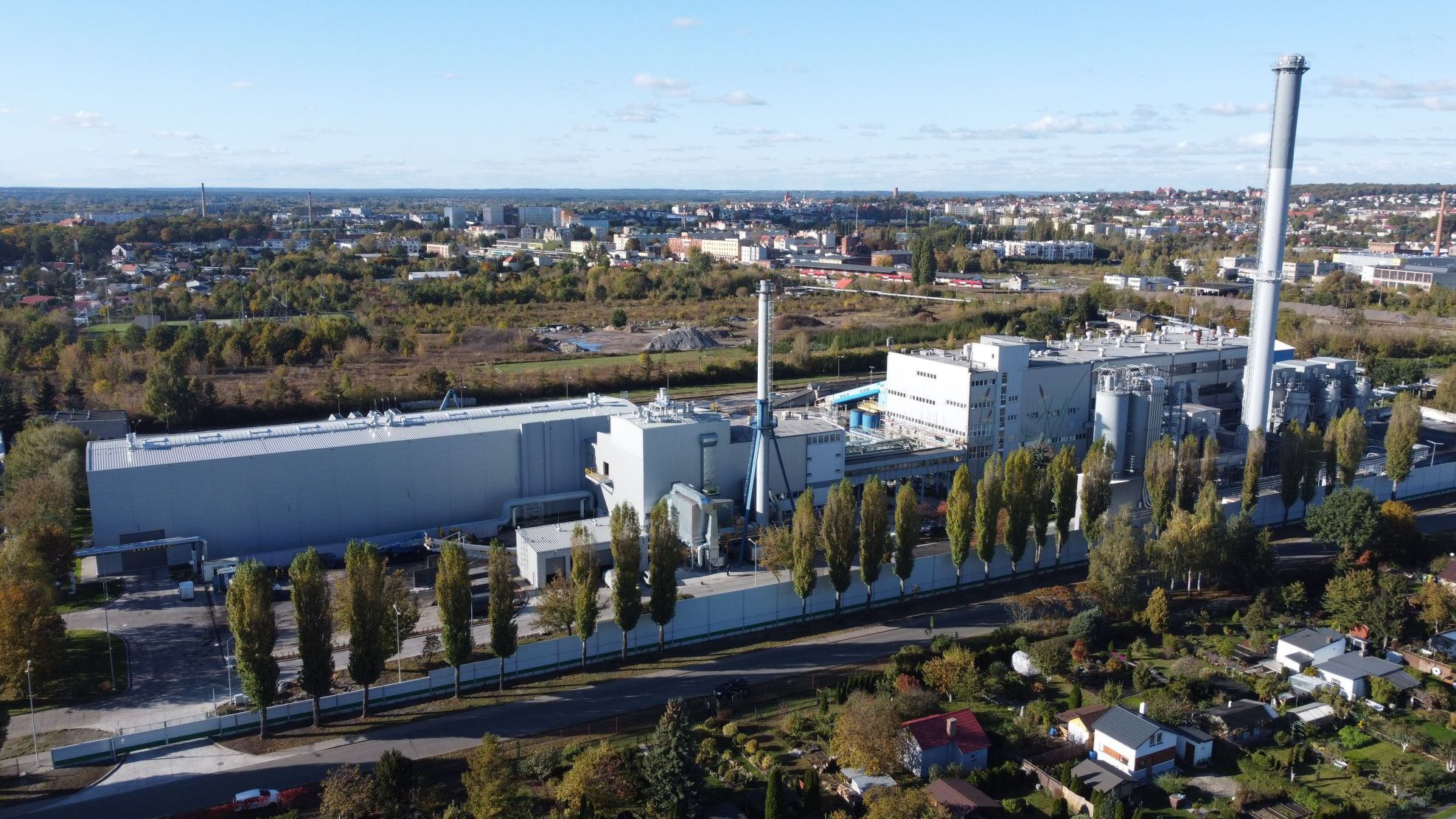
Unibep has been selected as preferred bidder for a solar-thermal collector farm with integrated heat storage at the Łąkowa combined heat and power plant in Grudziądz, Poland. Its proposal is valued at approximately PLN103.7 million gross, with project completion targeted for the fourth quarter of 2027.
The customer, municipal energy company OPEC Grudziądz, identified the Unibep proposal as the most advantageous in its procurement procedure. The award remains subject to the applicable appeal process, meaning contractor selection should not yet be treated as an unconditional executed construction agreement.
That distinction is important for the project’s current status. Procurement has progressed to the point where a preferred contractor and commercial value have been established, but detailed execution remains dependent on the tender process completing without a successful challenge. Once contracted, the programme will have to bring civil, mechanical, thermal, and control systems together at an operating CHP site.
The central engineering feature is the combination of solar-thermal generation with heat storage. Solar collectors produce most strongly when irradiation is available, while district-heating demand follows weather conditions, time of day, and consumer use. A thermal store allows some of the energy collected during favourable periods to be retained and released later rather than requiring production and consumption to coincide.
That makes storage part of the plant’s operating architecture rather than an accessory added to the collector field. Depending on the final design, stored heat can reduce the need for conventional generation when solar output declines, smooth short-term fluctuations, and allow operators to schedule existing CHP or boiler plant more efficiently.
Published procurement information does not yet provide the collector area, thermal MW rating, storage volume, storage medium, or usable storage duration. Those parameters will determine the project’s actual contribution to the Łąkowa network and the extent to which solar heat can displace conventional production.
A relatively small buffer store used to manage hourly changes has a different role from a large thermal reservoir intended to move energy between longer periods. The required insulation, vessel or pit construction, charging equipment, heat exchangers, pumps, and control sequences all depend on the amount of energy being stored and the temperatures at which the district-heating system operates.
The collector field itself has to work as part of a hydraulic system rather than as an isolated renewable generator. Solar energy is transferred into a circulating fluid, which then interfaces with storage and the heating network through pumps, valves, heat exchangers, and controls. Flow rates and temperatures must remain within operating limits while the system reacts continuously to both solar conditions and heat demand.
Thermal storage introduces another set of performance considerations. Standing losses have to be controlled through insulation, while temperature stratification can determine how much of the nominal stored energy remains practically useful. Operators also have to decide when solar heat should be sent directly to the network, when it should charge storage, and when collection should be limited because neither route can accept additional energy.
Integration at an existing CHP plant makes those decisions more consequential. The new installation has to coordinate with generation equipment already serving customers and cannot compromise continuity of heat supply while construction, testing, or commissioning takes place. Interfaces with existing pumps, plant controls, pipework, electrical supplies, and safety systems will be central to the delivery programme.
The procurement documentation includes provisions relating to guaranteed parameters, commissioning, and trial operation, making system performance part of the contractor’s obligation. That is significant because a renewable heat project cannot be judged purely by whether the collector structures and storage vessel have been physically completed. Useful completion depends on the installed system achieving the required thermal and operational performance.
The project also illustrates why energy storage extends beyond batteries. Where the final demand is heat, storing thermal energy directly can avoid unnecessary conversion between heat and electricity. District-heating networks already move and consume large amounts of energy in thermal form, making appropriately designed hot-water or other thermal storage a potentially direct way to introduce flexibility.
The next significant disclosures will be the collector capacity, storage volume and duration, annual renewable heat yield, operating temperatures, and the final executed contract. Those specifications will establish whether the installation is primarily intended to smooth daily solar production or to make a larger contribution to the operating schedule of the Łąkowa CHP plant.
Provided the procurement process completes as planned, the fourth-quarter 2027 target gives Unibep a defined period in which to move from preferred-bidder status through detailed design, construction, integration, commissioning, and performance testing. For Grudziądz, the project’s value will ultimately be measured not by the area occupied by its collectors, but by how effectively generation and thermal storage operate together inside an existing district-energy system.

