IN Brief:
- ACCIONA Energía will install two Spanish battery systems totalling 33MW/66MWh.
- A 20MW/40MWh BESS is planned beside Bolarque solar, with 13MW/26MWh beside El Cuadrón wind.
- Both two-hour projects are scheduled to enter operation by the end of 2027.
ACCIONA Energía will install two battery energy storage systems in Spain with a combined rating of 33MW/66MWh, placing two-hour storage beside existing solar and wind assets in Cuenca and Palencia.
The larger project will provide 20MW of power and two hours of storage near the 50MWp Bolarque photovoltaic plant at Villalba del Rey in Cuenca. The second will provide 13MW, also for two hours, beside the 22MW El Cuadrón wind farm in the municipalities of Hornillos de Cerrato and Torquemada in Palencia.
Those ratings imply energy capacities of 40MWh at Bolarque and 26MWh at El Cuadrón, producing the combined 66MWh figure. ACCIONA expects both systems to enter operation by the end of 2027.
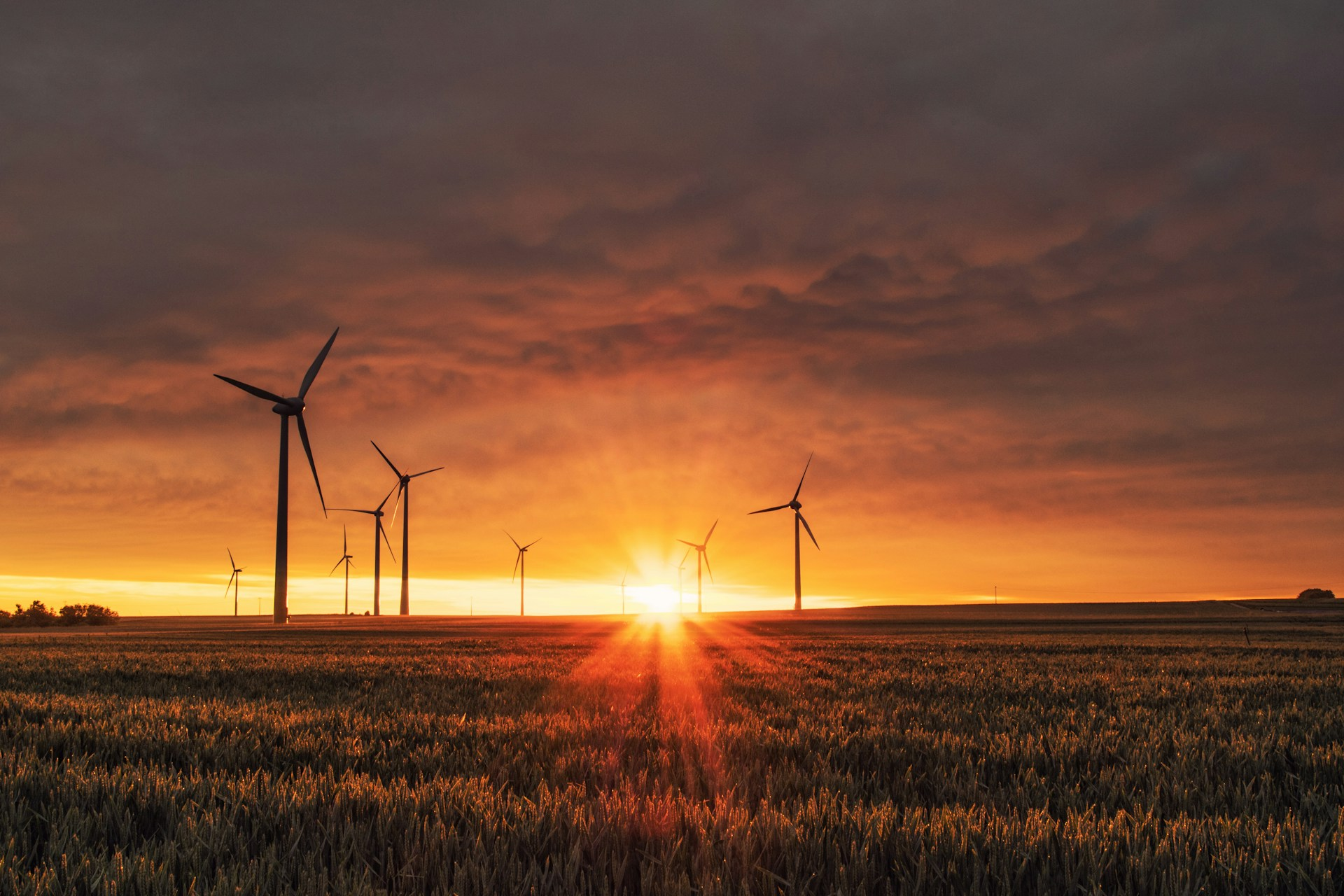
The projects add storage to two renewable assets with very different production characteristics. Bolarque follows a daytime photovoltaic profile, while El Cuadrón’s wind generation can occur at any hour and varies with weather systems rather than sunlight.
A two-hour battery can respond to either pattern, but the dispatch logic will differ between sites. At the solar location, charging opportunities are likely to coincide frequently with periods of stronger daytime photovoltaic production, whereas the wind site may encounter useful charging periods at night as well as during the day.
ACCIONA has not stated that the batteries will share the existing grid connections of Bolarque and El Cuadrón, so the projects should not be described as cable-pooling schemes without further evidence. Their location beside existing renewable plants nevertheless allows operating strategies to be coordinated with local generation where the eventual electrical and commercial arrangements permit.
The company already has experience with several storage configurations. In Spain, it commissioned a battery beside the Barásoain wind farm in Navarra in 2017 and later deployed second-life electric-vehicle batteries at the Extremadura III photovoltaic complex in Almendralejo.
Its international storage programme includes substantially larger systems. The Cunningham project in Texas is rated at 190MW/380MWh, while developments in Chile include a 200MW/1GWh battery at the Malgarida photovoltaic complex and a planned 196MW/980MWh installation associated with El Romero.
The two Spanish systems are consequently modest in energy capacity beside those five-hour developments, but their shorter duration gives them a different cost and operating profile. Two-hour batteries require fewer cells for each megawatt of power than longer-duration systems and can still provide meaningful energy shifting alongside fast-response services.
The electrical installation extends well beyond the battery enclosures. Bidirectional power conversion systems must turn direct-current battery output into alternating-current electricity and reverse the process during charging, while transformers, switchgear, protection, metering, auxiliary supplies, communications, and thermal-management equipment all have to operate as one plant.
Plant controllers then coordinate that hardware with market instructions and connection limits. Wholesale prices, balancing opportunities, renewable forecasts, state of charge, temperature, and battery warranty conditions can all affect when a system is instructed to charge or discharge.
Operators also have to decide how much capacity to reserve rather than trade immediately. A battery that is completely discharged cannot respond to an instruction to export electricity, while a full battery has no remaining ability to absorb surplus power, making state-of-charge management central to providing several services from the same asset.
The two-hour design does impose clear limits. A 20MW/40MWh system can sustain its full nominal power for about two hours before accounting for operating margins and conversion losses; it cannot cover a prolonged period of low wind or solar generation stretching across much of a day.
Its value is instead concentrated around shorter changes in supply and demand. Storage can absorb electricity when renewable output is strong or prices are low, discharge later when the system is tighter, and respond rapidly to balancing requirements without waiting for conventional generating machinery to start.
Those services come with a lifecycle cost. Lithium-ion cells degrade with time and use, and deep or frequent cycling can reduce usable capacity more quickly. Commercial optimisation therefore has to balance immediate revenue against long-term performance, warranties, and any future requirement to add replacement or augmentation capacity.
Spain’s growing renewable fleet makes that balancing role increasingly relevant. Periods of high photovoltaic generation can depress daytime prices, while changing wind output and network conditions create additional demand for controllable assets capable of altering their power quickly.
Storage does not automatically remove local network constraints, and placing a battery beside a renewable plant does not guarantee that electricity which would otherwise have been curtailed can always be stored. Connection capacity, protection limits, control arrangements, and the location of the underlying constraint determine whether charging is technically possible at the moment it is required.
For ACCIONA, the two projects add another 66MWh to a storage portfolio spanning several technologies, durations, and markets. Their relatively small scale also makes them useful tests of how storage can be integrated around established Spanish renewable assets without waiting for the gigawatt-hour projects now appearing elsewhere in the company’s pipeline.
With operation targeted for late 2027, the remaining work concerns equipment procurement, detailed electrical engineering, connection arrangements, construction, and commissioning. Those stages will establish whether Bolarque and El Cuadrón operate primarily as adjacent renewable-and-storage assets or develop into more tightly coordinated hybrid plants.