IN Brief:
- Tubacex disclosed a Sizewell C supply award on 17 November covering tubes and fittings through the GNMS consortium.
- IBF in Italy and SBER in Austria are among the manufacturing businesses involved; the specific circuits and contract value were not disclosed.
- The two-reactor 3.2 GW development requires controlled component manufacture, inspection and traceability before equipment can enter service.
Tubacex has secured a package to supply tubes and fittings for Sizewell C, involving specialist manufacturing businesses in Italy and Austria. The Spanish industrial group confirmed the award on 17 November through the Global Nuclear Metal Supply (GNMS) consortium. The work brings another international fabrication and quality-assurance chain into the Suffolk nuclear project, although the supplier has not disclosed the contract value, delivery timetable, component quantities or plant systems to be supplied.
The package will draw on IBF in Italy and SBER in Austria, alongside other consortium partners. GNMS, which Tubacex says it co-founded in 2014, combines tubular products with project management, supply coordination and documentation under a single execution arrangement. Its stated purpose is to meet complex nuclear procurement requirements without treating the manufacture of each part as an independent transaction. The precise allocation of production work between participating facilities has not been specified.
Sizewell C is planned as a two-reactor UK-EPR station on the Suffolk coast, with approximately 3.2 GW of combined generating capacity. Its design draws on the technology and construction experience of Hinkley Point C in Somerset. Repeating a reactor design can provide a common engineering basis, but component acceptance still depends on the specifications, applicable codes and inspection requirements of the individual contract. The Tubacex award concerns equipment supply, not a new construction or commissioning milestone for the station itself.
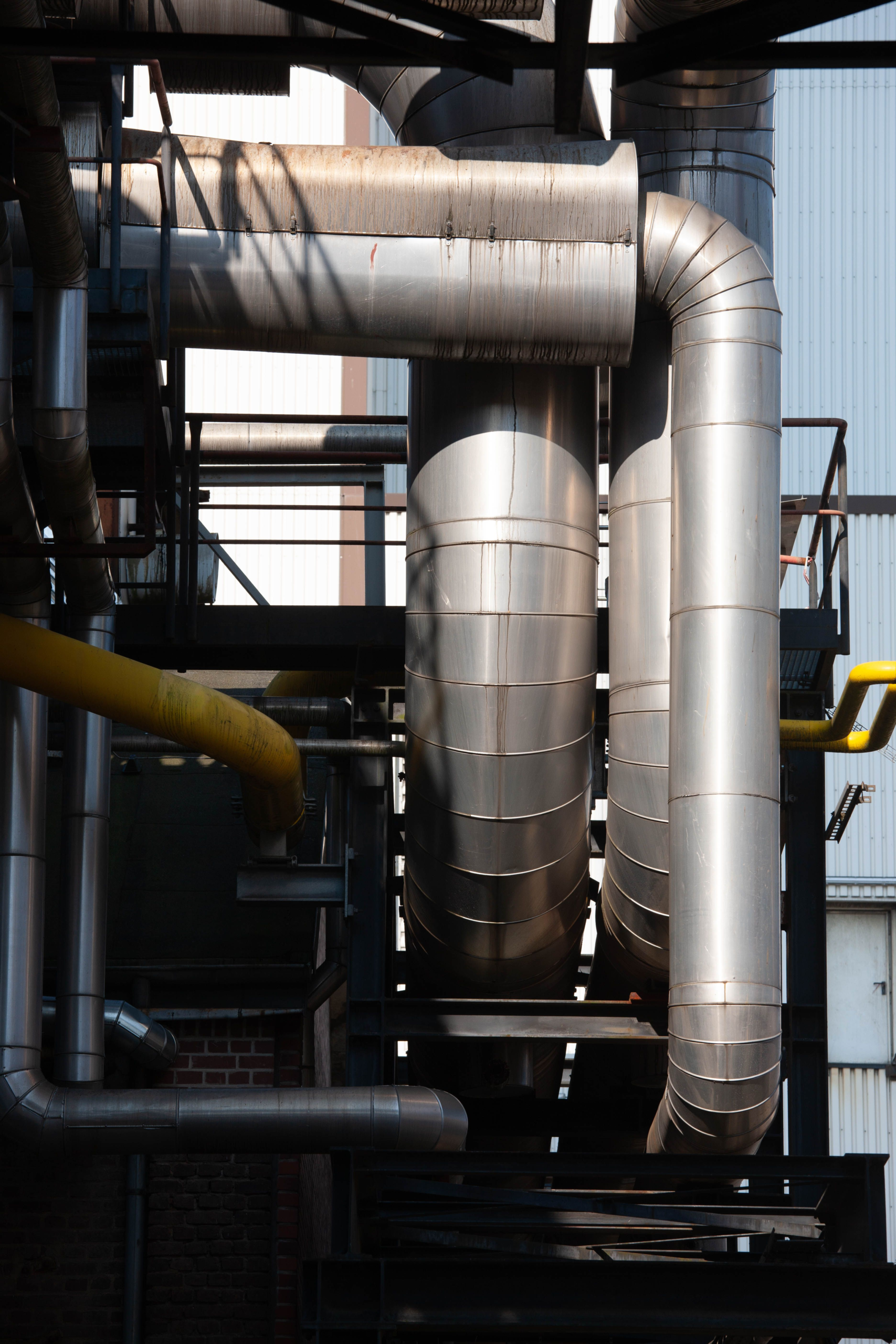
Nuclear power stations rely on interconnected pipework for water, steam and other fluids across systems operating under differing temperature, pressure and corrosion conditions. Tubacex’s wider nuclear product range includes tubing for high-pressure steam applications, primary-circuit heat exchangers and reactor control systems. Those are examples of the company’s existing capabilities; its November Sizewell C announcement does not identify the circuits covered by the new order. Assigning a particular safety class, alloy specification or operating envelope to this package would therefore be premature.
Fittings introduce further manufacturing and dimensional requirements alongside straight tubing. Elbows change the direction of a run; reducers connect different pipe sizes; and machined or forged interfaces must align with adjoining components and the specified joining method. The compatibility of material properties, wall thickness, end preparation and dimensional tolerances must be demonstrated to the customer. Inspection programmes can include dimensional measurements, examination of material condition and checks for defects, according to the codes and quality plans applied to the actual items.
IBF manufactures specialised tubular products and fittings, while SBER contributes Austrian manufacturing capability within Tubacex’s wider group. Such facilities can use different forming, machining and finishing processes, making configuration control essential when their products are assembled into a common package. Tubacex has not issued a component schedule linking either factory to named Sizewell C systems. Its disclosure establishes who is involved in the work but does not establish the final fabrication route for each item.
Material and manufacturing traceability provide the link between a specified component and the evidence required for its acceptance. Records can establish the originating material batch, subsequent processing, heat treatment where required, inspections and final identification of individual items. For a consortium supplying from more than one country, consistent identifiers and controlled documentation help prevent records from becoming detached from physical parts during transfers between suppliers, workshops and the project site.
Those controls also govern changes during manufacture. A revised drawing or interface requirement can alter dimensions, fitting geometry or inspection instructions after a procurement package has been issued. Producing against an obsolete revision can create a non-conformance even where a component is otherwise well made. GNMS describes its approach as unified execution with operational and documentary traceability, but the announcement does not disclose the customer’s inspection hold points, applicable standards or formal acceptance process.
Manufacturing quality and project sequencing remain closely linked. Components need to be available when their associated installation work is ready, yet fabrication cannot responsibly proceed without the required approved design information. Factory inspections, documentation reviews, transport and receipt checks each form part of the path between a supplier’s purchase order and equipment installed on site. The new contract does not establish that any associated reactor or conventional plant system is ready to be assembled or energised.
Tubacex has separately identified nuclear work associated with EDF’s EPR2 programme in France, reflecting the wider demand for qualified manufacturing capability across European reactor developments. The value of retaining such capacity lies in the ability to repeat controlled production and maintain complete records, rather than in manufacturing volume alone. Sizewell C adds another defined package to the company’s workload, with no published basis for calculating its contribution to revenue or the amount of factory capacity committed.
The next project-specific evidence will come from confirmation of production responsibilities, approved manufacturing documents and progress towards completed deliveries. Sizewell C will ultimately require inspected components that meet the design requirements of their intended systems; Tubacex’s November award establishes the supply-chain responsibility, while the detailed technical and delivery milestones remain undisclosed.