IN Brief:
- Low Carbon has commissioned the 30 MW Birch and 35 MW Sandon Brook batteries in Essex.
- Birch uses a 132 kV connection also serving the 39 MW Birch and 49.9 MW Layer solar farms.
- The company reports over 200 MW of combined renewable generation and storage commissioned in Britain during 2026.
Low Carbon has brought two battery energy storage systems into commercial operation in Essex, adding 65 MW of power capacity to its UK portfolio. The 30 MW Birch battery and 35 MW Sandon Brook battery are the company’s first UK storage projects developed alongside solar generation to reach this operational stage. Commissioning follows the construction and connection work required before batteries can charge, export electricity, and participate in power markets.
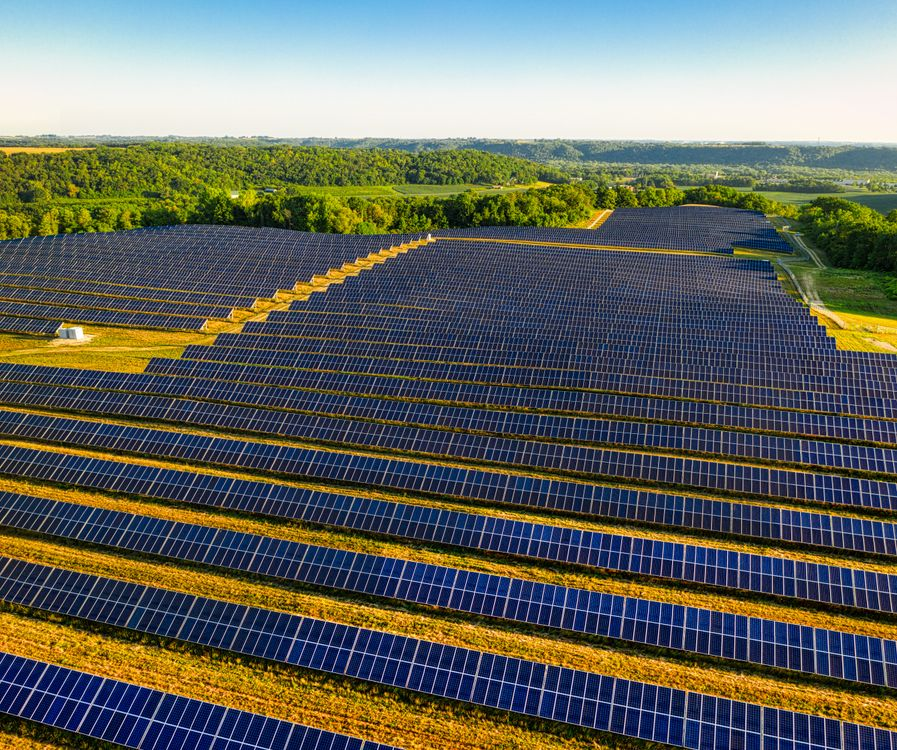
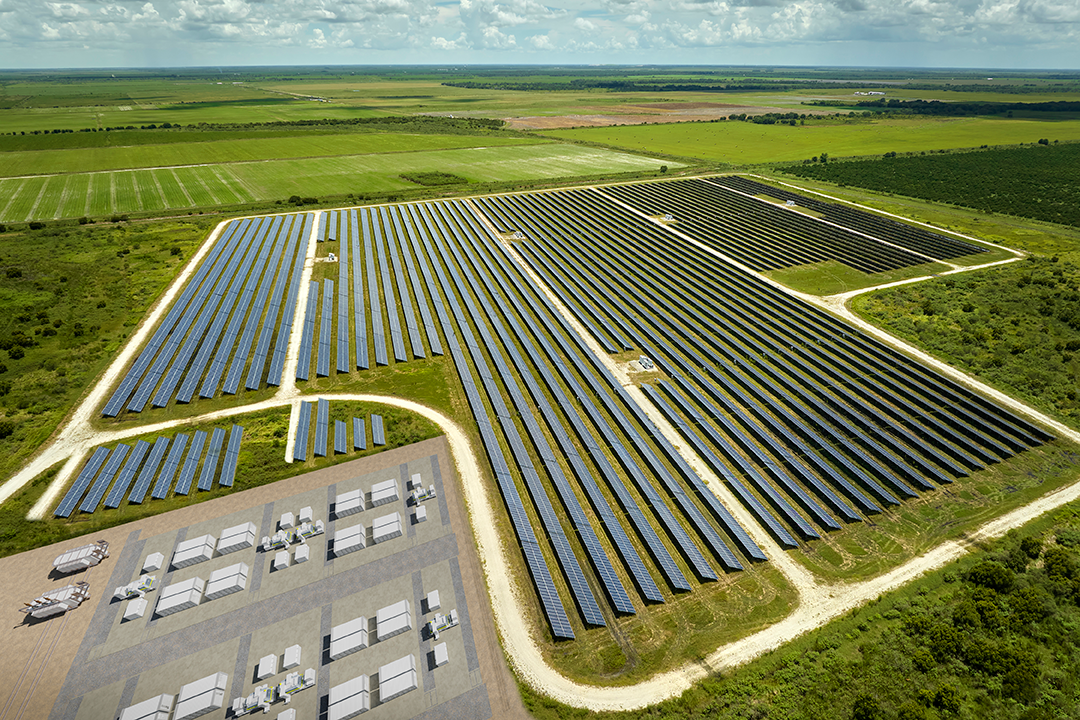
Birch shares a 132 kV connection with two existing solar assets: the 39 MW Birch Solar Farm and the 49.9 MW Layer Solar Farm. Combining storage and generation at an established high-voltage interface allows the different assets to use common network infrastructure. It also requires coordinated control of imports and exports so that the combined flow stays within the connection agreement and equipment ratings.
The solar farms supply alternating current through their power conversion equipment, while the battery uses bidirectional converters to absorb energy during charging and supply it back during discharge. Protection settings, transformer capacity, switching arrangements, and metering must reflect both directions of electrical flow. Managing the interface is more complex than connecting a generator that can only export, particularly when high solar output coincides with a battery discharge instruction.
Low Carbon’s 65 MW figure is the combined power rating of the two batteries. Their stored energy is measured separately in megawatt-hours, which determines how long they can discharge at a given power level alongside operating limits and usable state of charge. The November commissioning confirmation does not provide an updated combined MWh figure. Power capacity should therefore not be treated as a measure of discharge duration or total electrical energy stored.
Sandon Brook forms part of a wider solar-linked development. Earlier technical information from Trina Storage referred to 36 Elementa cabinets with a nominal 70 MWh battery specification for the 35 MW installation. That historical equipment figure provides context for the system design, although the new commissioning announcement does not independently confirm the final usable energy capacity or measured operating performance.
Connected batteries can respond to wholesale price changes, balancing requirements, or frequency service instructions, subject to their grid connection rights and contracted operating arrangements. A site controller must consider state of charge, thermal limits, conversion losses, and operating reserves when scheduling charging or discharge. Sharing a connection with solar generation can create opportunities to absorb power when photovoltaic production is high, but commercial dispatch and technical constraints determine whether that option is available at a particular moment. Batteries can also be held at a particular state of charge to preserve the ability to respond to short-notice dispatch instructions. Available energy, rather than installed megawatt capacity alone, determines how long those instructions can be sustained.
Low Carbon previously entered optimisation arrangements for a broader 95 MW battery portfolio, identifying EDF in relation to Birch and Habitat Energy in relation to Sandon Brook. Those commercial agreements preceded the installations entering service. The current commissioning milestone places the two Essex projects into operation, while any detailed revenues or services delivered will depend on subsequent dispatch records and market participation.
Using existing solar-grid infrastructure can reduce the need to develop entirely separate connection routes, depending on the rights and design of each site. Operators still have to test the combined electrical system under peak export and charging conditions and coordinate responses to faults and planned outages. The ability to share infrastructure does not mean the battery and solar farms have unlimited simultaneous access to the network. For example, any shared transformer or protection device must be rated for the relevant combinations of power flow, rather than for the nameplate capacity of a single installation alone. Maintenance isolation may temporarily restrict more than one asset where equipment is shared.
The two batteries contribute to Low Carbon’s wider UK commissioning programme. The company reports that more than 200 MW of renewable generation and storage capacity has entered operation since the start of 2026. That portfolio figure includes different asset classes, while Birch and Sandon Brook account specifically for the newly confirmed 65 MW of storage power capacity. Their joint connection design also provides a practical example of integrating batteries with existing generation rather than treating each project as an isolated connection.
Both Essex systems are now reported as commercially operational. The performance measures that follow commissioning include plant availability, actual battery cycling, power conversion efficiency, and the services delivered under market or network contracts. Low Carbon has disclosed their power ratings and the shared Birch connection, but has not supplied fresh combined energy-duration or performance figures in its November update.